
By Catherine DiMercurio
How strange that September is beginning is a thought that chirps through my brain these days. This time of year is so laden with transitions it is easy to feel unprepared. The loss of light has been startling, and though temperatures have spiked this weekend, there has been a coolness to the nights and mornings that smells of autumn. The softer light and cooler air touch your skin differently. I don’t mind grabbing a sweater.
There’s much to love about what comes next, but for me, each season always feels too short (except for winter). In this space, I’ve written often about transitions and transformations.
Sometimes transitions sneak up on us the way fall does. Softly but inevitably. Not urgently, but with a quiet sureness. And internally, we feel ourselves needing to recalibrate, wondering how we hold on to the best parts of one season as we enter another.
I think of what I’ve been loving about summer and how to carry that into fall, despite shorter days and cooler temperatures. I no longer have the busyness of shifting from children’s summer vacations to back-to-school, so the seasonal shift is gentler than it used to be. But it can feel jarring, nonetheless.
At a farm stand in Ann Arbor, I bought a small watermelon, some peaches, and a couple of apples, and I thought how wonderful September is, that it encompasses all this, that it is summer and fall, in conversation with one another.
It’s easy to think in terms of conflict, where we focus on the ending of one thing and the beginning of another, and the summer people and the fall people on social media are either lamenting or rejoicing. It’s easy to look at our own apparently competing desires as an equation to be solved, where the variable, “x,” will equal something when we’re done figuring it out. We will do the math and the result will be an answer to the problems that plague us, to the what-iffing we do about both the past and the future. I’m curious about the conversation between the “this or that” scenarios we paint for ourselves. And how, amid all this contemplation, do we sustain an attachment to the present moment? How do we position ourselves fully in who and what we are right now, when we are so busy trying to solve the past and anticipate the future? We fixate on healing and learning from the past, on preparing for a future we can’t possibly know, but we try to know it anyway. Meanwhile in the present we are trying not to disappear.
Maybe the problem starts when we are little, when we are constantly being asked what we want to be when we grow up, and do we have a girlfriend or boyfriend. Why do people do this to children? This felt like a fairly common practice when I was a child. The goals were laid out definitively for us, even if we were unable to articulate them as such as elementary schoolers. We were not even allowed to live in the present as eight-year-olds. It’s no wonder it is difficult to do so now. The messaging we got from so many angles was that the whole point of life was work and a partner. So when one or both of those things don’t work out how we planned, of course everything feels scrambled. And even if everything goes according to plan, many people still find themselves with a persistent “now what” sort of feeling, since everything they’ve pursued has been external.
These days, I try to train myself to savor the current moment and it has meant a certain type of negotiating. For me, being able to fully experience the present means that I must stop trying so hard to eliminate anxiety about the future or analysis of the past. I don’t want to fight myself anymore. It’s exhausting, and it has begun to feel uncomfortable and disingenuous to wish I was different than I am. For me, the thing to do is to focus on what else is also existing right now, amidst the familiar habits of worry and rumination. Can I shine a light on it? Is it excitement? Hope? Curiosity?
I feel as though the path, for me, is peace-making with the parts of me that admittedly feel in the way sometimes. Maybe instead, I should listen to what they need to tell me, listen with a compassionate ear for hearing, not solving. Maybe if I simply say, I understand your concerns. It’s normal for you to feel that way, they will feel heard. They won’t have to shout anymore because I’ve stopped trying to ignore them. And they’ll stop feeling like I’m trying to figure them out of existence. In a way, given that anxious tendencies develop from vulnerable parts of ourselves, we have to be as patient as we would with a child, and sometimes repeat ourselves, with kindness and empathy.
Then, perhaps, once they quiet down, I can listen to the other parts of myself that don’t always get the attention, the quiet ones, who say softly that things are good, that there is much to delight in, even amidst the anxiety. They remind me to trust myself. To be curious and have fun and to not forget about open-heartedness.
Though I sometimes must remind myself to be playful and silly, I never regret it, and it always connects me with that curious, light-hearted, open part of myself. My son tips me off to the best boxed vegan mac and cheese, and I splurge and buy 12 boxes so I always have something yummy and easy on hand, childhood comfort food. I giggle as I feed my dog bites of ice-cold watermelon and he nudges me for more, his whiskers tickling the bare skin of my summer-brown knee. I sing along to the radio on the way home from pottery, windows open, bright light from the full moon shining down. I make wishes on dandelion puffs. I play with the waves at the beach.
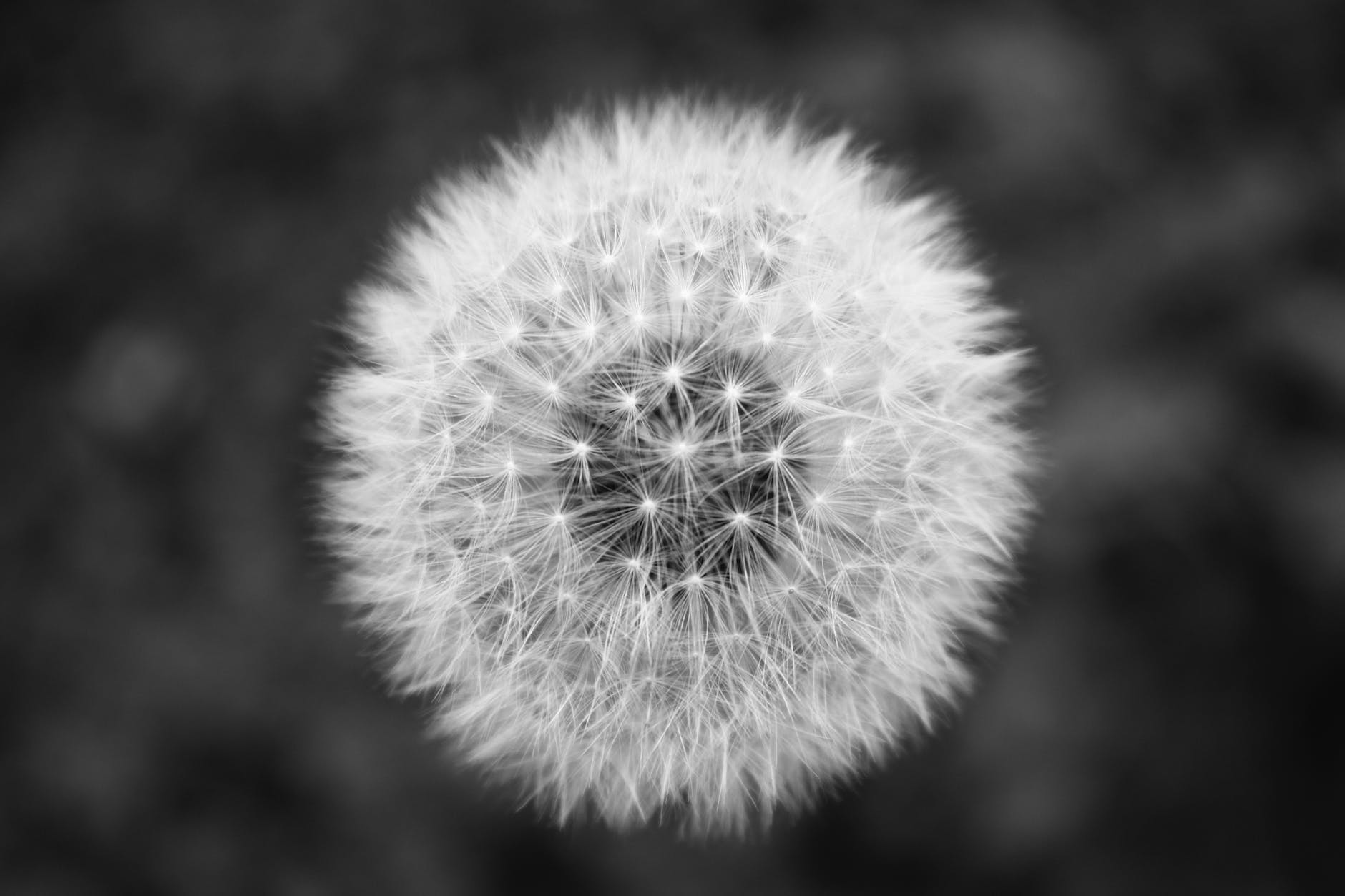
I remember how to do this, to be delighted, to give this part of myself a seat at the table. But usually, she doesn’t want to sit still. She is laughing and playing freeze tag in the back yard with her siblings, running through her father’s perfect lawn in her bare feet, not minding that she’s “it” again. She is me, I have to remind myself sometimes, and our lungs are full of waiting wishes.
Love, Cath
 Chronicles of the Open Hearted