On Crescent Moons, Kaleidoscope Progress, and Feeling Move-able

By Catherine DiMercurio

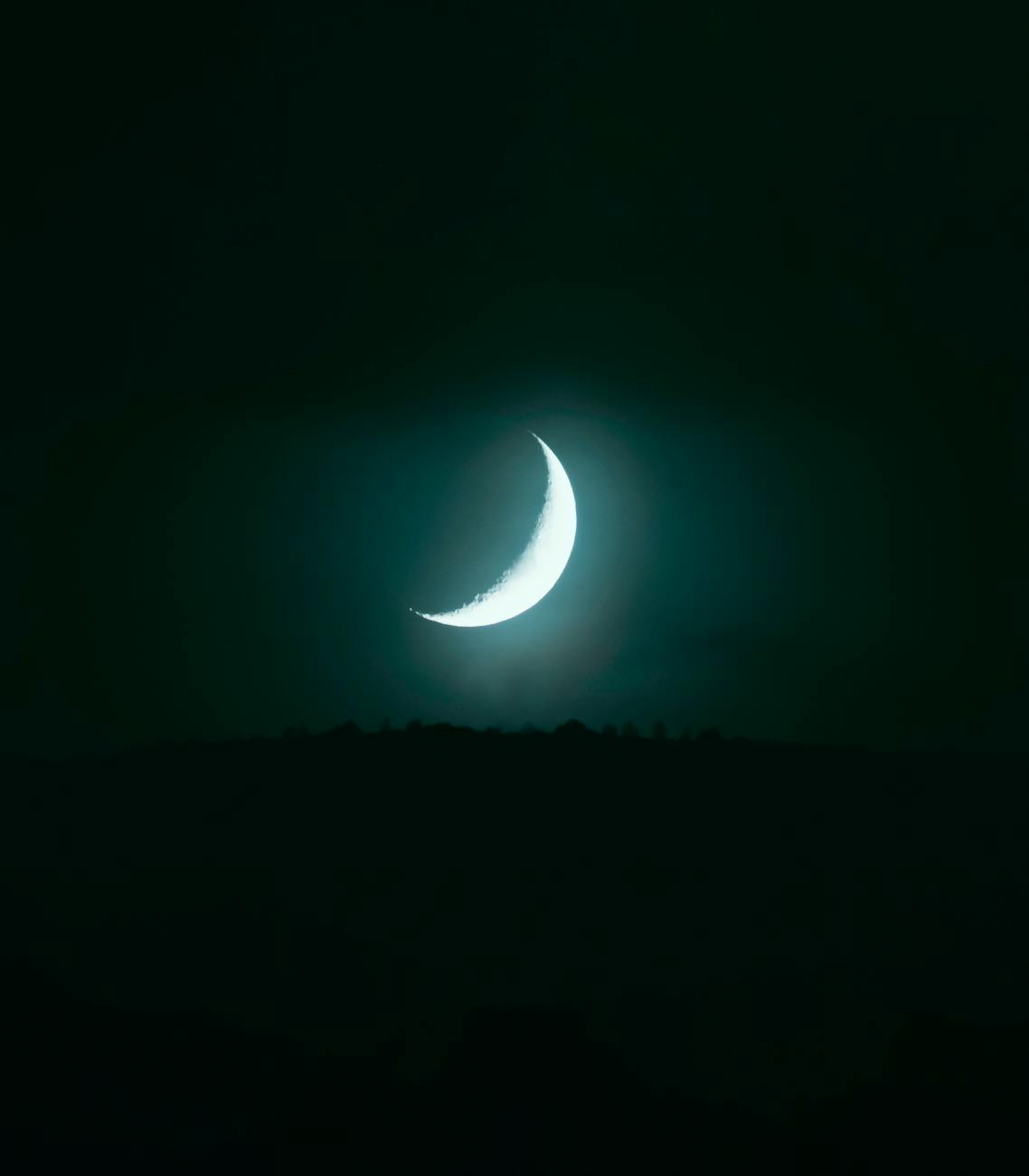
The moon was so pretty the other night I cried a little. It was a tiny little sliver of a moon and just glimpsed between the oak leaves and the pine boughs. I don’t know what moved me so much but to feel move-able is wonderous. I thought, well, that was strange. I mean, I always love glimpsing the moon, but it doesn’t usually bring me to tears. I figured maybe that’s what happens after a long period of stress when things are kind of calming down, relatively speaking. Moving felt like a year-long obstacle course and while there are still post-move things happening at the house, the bulk of that particular effort is over. Talk about a heavy lift.

Photo by Fatih Dou011frul on Pexels.com

But now my attention is shifting, away from the chaotic multidimensional problem solving and navigation of moving, to where I am, what I’m doing now, what is next on the horizon, so I guess I have a little space for feeling actual emotions again. I guess that looks like crying at the moon. I thought it was maybe a one-time thing but I also teared up at the stars the next morning. I can see so many of them here. While I can’t see the lake from my property, the sky looks bigger and more open in that direction. Undoubtedly there is less light pollution so maybe that’s why the star gazing is kind of spectacular here.

It’s a beautiful fall here and I’m exploring the trails at the closest state park. The landscape is gorgeous and hilly, featuring marshy wetlands as well as steep, sandy dunes. I started out on a trail I’d been on the week before with my sister, except this time, I ventured out onto the spurs and loops that could be accessed from the main trail. One of the loops was labeled “challenging.” Given that the trails designated as “moderate” were fairly easy, I thought I’d give this challenging loop a go. It was definitely more challenging for me – more hills, and steeper ones. Rooty, narrow paths. But manageable. At one point, I peered out over a section of trail that went sharply downhill, all sand. The trail I was on went past that section and I marveled that anyone could get up or down it. And I went on my merry way, deciding at one point that instead of just skirting out and back to check out the trail, I would do the full loop. I was feeling pretty good about things until, after a bit of a downhill section, I found myself at the base of the big dune I’d spied earlier, and now I was going to have to go up it, or turn around and go all the way back. I stared at it for a while, dumbfounded, and then decided to give it a go. There were a few trees at the edges, so I figured if it got tough, I’d have some branches or roots to grab on to (which I only needed to do a little bit). I made it up, and while it was difficult, I was about halfway up when I realized I could do it, and that I wasn’t going to keep back sliding in the loose sand.

While this was a challenge for me, I’m sure for people who grew up around this terrain it was more moderate. I’ve never been athletic, though I had a chunk of time in my 30s and 40s where I was running regularly and completed a few half marathons. Once I stopped freelancing and went back to work in the office full-time, my running tapered off. Between working and commuting and single mom-ing, I struggled to find the time to go consistently, but I managed to feel like I was still in it. In the midst of the pandemic, I moved, and that process was extremely taxing, especially since both the old place and new place needed a lot of work. After I was settled in, I was so exhausted that I stopped even trying to run, and before I knew it, it was winter. By spring, I was starting from square one with running, and I feel like I have been doing the same for the past 5 years. Throw menopause into the mix of major life changes along with moving and empty nesting and breaking up, and there I was, starting from square one, and barely making it to square two, and then getting derailed, taking a break, and starting from square one again. Which is where I am now. Post-move again, and now trying to get back into running, but also trying to mix in weights, yoga, hiking.

It’s harder than ever to push myself. For the longest while, I kept telling myself that I needed to work on consistency first, and then I could work on building from there, longer runs, heavier weights. The lines are blurry. When have I been consistent enough to start building? How much is too much too soon? Can’t I just work on consistency a little longer? But even when I’ve been working on that, a lot of workouts feel harder than they ought to, which is frustrating. It used to be easier to stop and start up again, to make progress and build on it. That’s something that I’m still getting used to as I get older. Trying harder used to work, or, it used to work faster. Now, I feel as though the best I can do is to keep nibbling away at things, and so far, I can’t really measure progress in terms of a longer run, or one that felt easier, I can only say I keep trying. Maybe farther down the line something will feel like strength or speed again, but for now I am pleased that I challenged my brain to navigating new trails, and my body to steeper climbs up sandy slopes, and that I’m still trying with running and lifting.

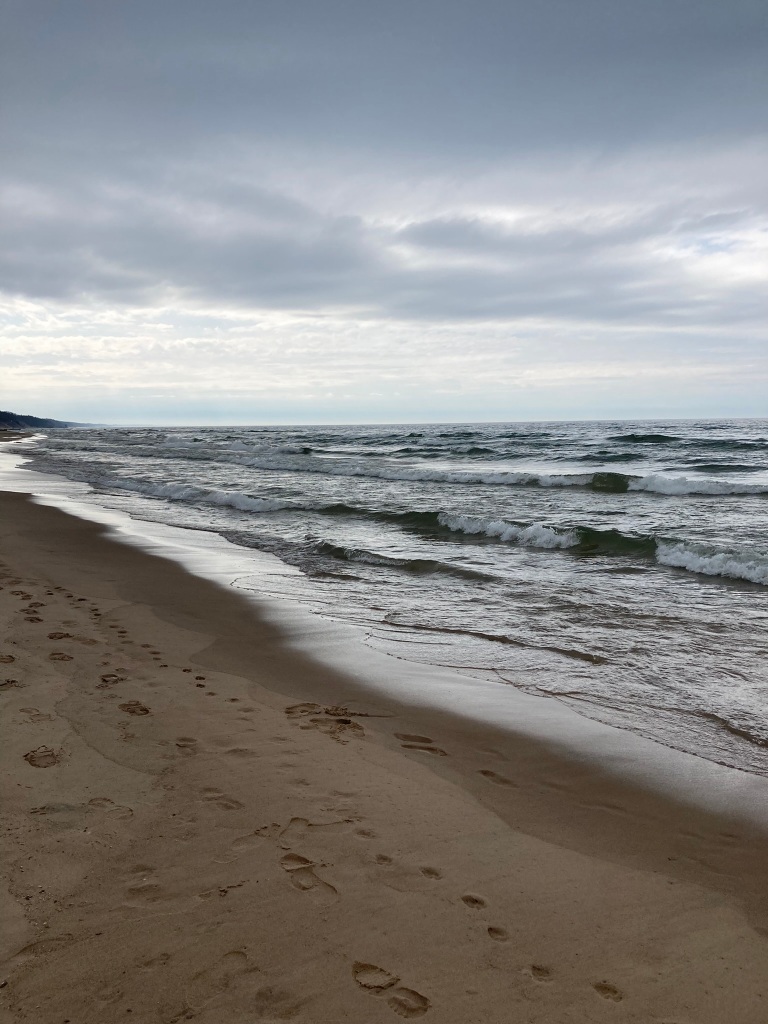
At the end of that particular hike, I returned to my car and drove a little further on to the beach. It was deserted, except for the gulls, and I strolled barefoot in the cold sand, played a little tag with the waves. I wanted the feeling of running on the beach so I started out at a jog, and the Rocky theme came into my head, the training montage where Rocky and Apollo are racing on the beach and I pushed myself into a short sprint, which felt amazing. It felt like playing. It felt silly and joyful, full-body laughter. In a way, it was the same feeling as crying at the moon, my body releasing the stress of the last year in little doses, trying, starting over. A different kind of progress, like a kaleidoscope instead of a straight, solid line.

I don’t know what any of this means except that I’m definitely in a new chapter and my body knows it and my heart knows it, and I’m sure my soul or spirit or whatever you want to call it has known it for a while, that this is where we have been heading. It’s all good even though it doesn’t make sense in the strictest sense of the word. I’m just here and floating in it.

I feel quite positive about it all in general but there are things that weigh on me, things that need to be addressed now that I’m feeling settled in. And the missing of my people is something that’s always nearby, an awareness I have of the physical distance between us. I love the ways we stay connected in spite of that distance, but I do miss hugs. I have some trepidation as “the dark season” approaches; I know the things I struggle with in the winter. We all have heavy things to carry. But I’m also curious, about what the lake will be like in the winter, how life is lived in this particular place each season. It’s a gift to be able to keep figuring it out, to move across the state and across the sand and through the woods and feel moved by the sight of the moon.

Love, Cath

On Identity, Negative Space, and Sand

By Catherine DiMercurio

Sometimes I feel as though this world has pinched whatever eloquence I might have once possessed, and all I can do is write earnestly about the twists and turns of my own journey. I’ve been thinking a lot lately about how, in the face of such bizarre twists and turns of this current American reality, do we keep on keeping on, keep on living our lives and pursuing dreams to the extent that we are able. But at the same time, how do we do otherwise? One of the most meaningful things we can do is to keep on living meaningful lives, right?

Part of my own such quest has long focused on the pursuit of belonging and connection, and the way the natural world informs that journey. For many years, I’ve yearned to find a way to live closer to places that ground me, and that’s what I’m currently pursuing.

In line with that goal, I got to spend some time recently by Lake Michigan. It was a grey, rainy couple of days and I was there, in a little lakeside city, to do some research. At times, I am completely overwhelmed by the prospect of moving again. There’s no getting around how demanding, complex, and disruptive it is, no matter how much you’re looking forward to the destination.  I’ve made a good home in my current location, but it wasn’t necessarily a place I was in love with. It was a practical decision and the right one at the time. In some ways, it will be hard to leave. I have good neighbors. I’m relatively close to family and friends. Within these walls, I remade myself, as we often must do during various transitions in life. There are plenty of times where I think it would be easier just to stay.

But, it’s always easier to stay, isn’t it? I have a low tolerance for chaos, always have, and moving is nothing if not chaotic. And easier isn’t always the point. Sometimes we need easy, we need to rest, and regroup, we need to feel settled and calm and peaceful, and then, we’re ready to unfold in a new direction. We all unfold and stretch and grow in different ways and at our own pace.

There are huge unknowns. Though, most of life is that way, so that should not really dissuade anyone (myself included) from exploring new possibilities. Will I be able to find and build some sense of community there? Will I feel like I belong? Will it be a good place for my dog? Will I be able to find a pottery studio? Will I find a way I can contribute to my new community?

One of the many perplexing things about life is that it is short, and therefore we should leap into our dreams but also, we have bonds with people who we find ourselves leaping away from, and we don’t want to lose those either, the dreams or the bonds, and how is all that supposed to fit together? And all those people have their own dreams and bonds, their own journeys, and we can’t anticipate all the ways and reasons people move around in their lives.

After a weekend near the lake, I have sand in my car. I like that. I like what it represents. I like the idea of living someplace with street names like Seaway and Lakeshore Drive and Beach Street. I love the frequent calls of gulls mixed in with house sparrows and robins. It sounds like a place I could call home.

I think a real sense of connection to place is hard to come by, at least it has been for me in the last several years, and I don’t know if I will have it there, in a new place, where I have no history at all, no people. I’m craving the feeling of having something fall into place and hoping to accomplish it by having me be the something falling into a new place.

Five years ago, I was preparing to move from the home I’d lived in for 20 years, where I raised my kids, and in many ways, where they raised me. I wrote a lot about the meaning and nature of home, and here I am again. At the time, I remember feeling as though the emotional work of the next part of my life needed to focus on learning to be at home with myself, wherever I was. In these last five years, I’ve tried very hard to do just that; it is an ongoing journey.

Here, in this house, I weathered the bulk of the pandemic. Here, I became an empty nester. Here, I ended a relationship. Said goodbye to the sweetest, most beloved dog, said hello, to another sweet, rambunctious furry soul. Spent a couple of years in relative solitude, on my own in all these new and different ways. At times the most lonely I’ve ever felt, at times the most free I’ve ever felt. Here, I started a new relationship.

People talk about finding yourself as if it is something you’re supposed to do when you’re young, or something people crash into doing at middle age because they never did it when they were young, but all of that is wrong. At least, we should acknowledge that it is something that can and should be ongoing our whole lives. More than anything, it is a mindset, rather than something that always requires big actions. It’s about looking, about cultivating an awareness of how we experience the world and who we want to be in it, who we are in it.

Shouldn’t we be out there looking for ourselves every day, in each little action, getting truer and truer as we go along, and finding our way back to ourselves if we get lost? We probably have to get a little lost here and there. Sometimes it is the accumulation of wrongs that points the way to what’s right for us.

My first-born is an artist, among many other things, and right now I am looking at a linocut print they made of a snail, and marveling at the way such a beautiful image is built line by line, the way with linocut, the image is revealed as a result of what is removed, the way the negative space that is created allows what remains to receive the ink.

It’s the same with the continuing process of learning who we are, and relearning that as we change and grow. What is removed from us through loss or through getting lost, or whatever life takes out of us, keeps revealing a new image of who we are now and who we are becoming.

I didn’t think I’d have sadness about leaving this place; when I moved in I did have the sense that it would be transitional. It was what I needed at the time. Things are different now. Things are always different now.

As I’m getting this house ready to sell, I think of all the ways it has held me, and all that I have put into it. All the living it has contained. And how I don’t really have to leave if I don’t want to. But just because it is hard, and just because there’s sadness, and just because I could stay if wanted to, doesn’t mean it’s not time to go.

I go over it all in my head, crunch the numbers, crunch the reasons, trust my gut, find the way. On the one hand, what’s the big deal, right? I’m just moving across the state. On the other, it’s another leap, farther than the last one. I’ll no longer be 30 minutes from where I used to live. In some ways, this feels more akin to moving away from home for the first time than it does to any of the other moves I’ve made in the past.

When I was at the lake two weeks ago, I plunged my feet in the icy water, ran barefoot along the beach, drew hearts in the sand with my toes. I felt the way the lake unlocks something in my chest, allowing me to breathe deeply and feel a big sense of centeredness I can’t seem to feel too often anywhere else. Later, I brought my dog down to the water. I know how much people like to let their dogs run on the beach, and Zero and off-leash dogs don’t mix, so I was hesitant, went early on a rainy Sunday morning. The waves were loud, but not overly large. We were only by the water a few moments, because I could see people with a dog further down the beach and didn’t want to take the chance that the dog might give chase. Zero wasn’t keen on getting too close to the water. He’d take a couple of steps toward it while the waves receded, and then dart away when the waves rushed in. I don’t know if he’ll ever be a beach dog and that’s okay. I’ve probably got enough beach dog in me for the both of us.

I observed Zero’s hesitancy as he surveyed the unknown terrain, the way he looks at me sometimes with both trust and concern. It’s as if he’s embodying what’s in my head, the part of me that’s not so sure and the part of me that trusts that I’ll get this right. Sometimes I wonder if he and I are extensions of one another, and then I wonder if we all are. It’s easy to feel that connection, to everything and everyone, even when I’m alone at the lake with my dog who kind of isn’t sure he wants to be there; he just wants to be with me.

Stay connected, and keep looking for yourself.

Love, Cath

On Wolves and Missions

By Catherine DiMercurio

In Italian, to wish someone good luck you say “in bocca al lupo,” which literally means, “in the mouth of the wolf.” The person you are wishing good luck to would reply, “crepi” (crepi al lupo”), which means “may the wolf die.” It seems that Italians have a good sense of what a dangerous place the world can be, though of course it is an older expression and probably had at one point really referred to wolves. With this expression, used in modern times, folks are expressing a sense of hoping that their loved ones escape some kind of danger or threat. We face different dangers than wolves these days. Sometimes the wolf is the forty-hours of work required to keep a roof over our heads, but which leaves us nearly too spent to enjoy anything but crashing on the couch under that roof. Sometimes the wolf is depression, anxiety, longing, fear. Sometimes it is a loose dog chasing you. Sometimes it is grief and loss threatening to eat you up alive. And sometimes it is much worse than all of that, depending on where you live in this hurting and hurtful world.

Photo by Steve on Pexels.com

When I first drafted part of this essay, the air was cool and the sun was shining and I was outside with my dog, who contentedly sniffed around the yard. Maybe contented is a strong word. He seemed relaxed. We had some good walks last week, having only had to skirt some deer grazing in neighbors’ yards. I find it surprising that I feel like I know less about helping this reactive dog feel okay in the world than I did raising my children, though I suppose when I was in the thick of things when the children were little, I didn’t feel much like I knew what I was doing then either. In both situations, raising the kids and raising the dog, I was/am in the position of trying to help these other souls feel that the world is a good and safe place and that they can be happy, when in fact, the world is often insisting on something else. I am often tuned into my awareness the world is in fact something else.

It is as though I must gently lie to myself so I can gently lie to them because it is only when you believe the lie a little bit that you can relax your sense of vigilance and hold on to and share luminous flecks of hope and peace. They are like fireflies, dancing around us and not wanting to be caught, but luring or lulling us into a sense of calm. But we need that calm, and hope, and peace, to manage existing in this world. Telling these little lies to ourselves is a skill, whether offensive or defensive I’m not sure, but perhaps necessary for thriving. When the kids were little, I struggled with this, how to teach them both how to feel at peace in the world and how to protect yourself from its threats. In the end, I feel as though all I was able to do was love them as hard as I could, while the world taught them the rest, against my will.

Still, I feel safe and good sometimes too. I often feel safe and good when I’m alone in the woods, or in my garden, or by the water, or when I’m with people who don’t want anything from me, don’t need me to be a certain way in order for them to enjoy spending time with me, for them to love me.

But I confess that nothing made quite so much sense to me as did the sense of mission I felt as the parent of my two children. Perhaps the sense of mission is retrospective, and at the time, like I said, all I did was love them as hard as I could. But I suspect that even then a sense of purpose thrummed through me that was different than anything I have felt since. Now though, whatever it was that rose up in me and thrilled to that purpose, still wanders around in the emptied rooms within me, trying to attach itself to other endeavors. But it doesn’t know where to land. I don’t need it to pursue my writing—I’ve always had a different sense of purpose for that; it is like a separate spirit with a unique set of skills that knows how to keep me trying even when I get discouraged. But whatever animated that sense of mission as a mother seems to hover and wait, and maybe it helps me with my dog, but for the most part, it lights up when I interact with the children and then settles back in to wait and wander. On the one hand, the children have blossomed into independent adults, which was the whole point. But on the other hand, I don’t know what to do with this feeling. Some people have that sense of mission about their work, which is a beautiful thing and I’ve watched amazing things bloom from this type of mission in many of the people around me. It’s hard for me to feel that way about my job, and maybe right now there are factors, the job included, that are clouding something that I need to see about where I should be training my focus.

All of this can be exhausting. Does living this way—in a state of looking for purpose, while confronting our fears, and searching for the safe people and places—also make us stronger? I don’t know. What is strength? When I think about the obstacles I’ve encountered in my life, I don’t look back on them and feel like the silver lining is that they made me stronger. I certainly have learned a lot about myself and other people, and perhaps there is strength in that wisdom. Still, I think it is easy to confuse strength and toughness. There is beauty in the idea that we can turn hardship into strength, that what we go through builds us into something fortified, able to both endure and grow. But too often we simply armor ourselves, we build walls, grow scales, we keep out what makes us feel weak or vulnerable, and in doing so, keep out lots of other things, good things. There is some gritty toughness to that and depending on what the world is throwing your way it is a natural and understandable response, and I think it is more common than whatever true strength looks like. There is that same question again: how do we both protect ourselves from the world and find peace and goodness in it?

How do you keep facing the wolves but also keep being open to good things, keep growing? I wish I knew. I wish the world made more sense. Sometimes I feel like I just landed here and am wholly perplexed by this human world we’ve constructed. Sometimes it feels like it makes sense to everyone else but me, but I know that’s not true.

Everyone metabolizes the unease of the human experience differently. Maybe I’m not afraid, maybe we’re not all living life while managing an array of fears; maybe it is something else entirely. It sometimes looks like fear but perhaps it is more accurate to say that our true selves, maybe our souls, are intuiting a dissonance—that clanging gulf between the way the world is constructed and our ability to access what we need to thrive in it. We show up every day into a world that seems designed to keep us in a state of agitation. Everyone puts on the masks or armor that they need in order to live their lives while scared or confused or hungry or grief-stricken or wobbly or exhausted.

And I’m trying to figure out how, in the course of doing things while afraid or exhausted or hurt, people remain open to a better way. If we lead ourselves through the world by our open hearts—yes, scared hearts and hurt hearts, but open—then maybe it can begin to change a little something in this place and we can feel like we belong here, belong with each other.

Maybe that is the mission, to keep living in an open, loving way in a bruised and bruising world. It was perhaps, the mission all along, and maybe I am supposed to be applying the same methods to my own life that I applied while parenting my children. What if we love ourselves as hard as we can? I don’t know why it feels like that doesn’t satisfy the sense of mission but maybe it doesn’t until I wake up and see that it matters. That adults, even those of us lucky enough to still have our parents around, have to parent ourselves sometimes, in the way a loving parent would nurture a child. We still need that. Life doesn’t get any easier and we are still confused and still growing up, aren’t we?, and no one really knows us better than ourselves at this point. Maybe nothing makes more sense right now. Good luck. In bocca al lupo.

Love, Cath

On Coloring Inside the Lines and Owls at Midnight

By Catherine DiMercurio

It’s a strange world to be in, where it feels like it is falling down all around us but we’re expected to still be our best selves, working, keeping a roof over our heads, pursuing our own dreams and our own happiness. It’s hard to make sense of.

I certainly don’t have any answers. I’m just over here coloring inside the lines, keeping my head down and staying focused on my work, whether it’s the job that pays the bills or my creative work. I try to be a good mom when I’m needed, a good friend, a good girlfriend, a good sister and daughter. I try to stay true to myself, pay attention to the world around me. But I also have to resist taking in too much when it makes me feel like I’m drowning.

Still, all of that can feel like you’re keeping busy watering the plants while the house burns down around you. I have dreams about various apocalypses, global and personal.

I try and focus on the whispers of good things, to amplify them, the little moments that breeze through our lives and feel like happiness, joy, silliness, small victories. A laugh shared with my kids, moments of connection with my friends or family, a hug with my guy. Recently, before I went to bed, as I was turning the heat down, I noticed the battery monitor on my thermostat was at one bar. I flashed back to years ago in my old house, not long after my divorce. It seemed that the furnace had stopped working. I had several long moments of panic, and then somehow realized it might be the battery in the thermostat. I couldn’t remove it from the wall though, to get to the batteries. I ended up breaking something on the flimsy plastic housing and then having to tape it back together. Every time I touched that thermostat afterwards, I was angry with myself for having broken it, frustrated that I didn’t have it in me at the time to replace it and figure out how to rewire it. I just lived with it broken but functional. This time, in this new house with the new thermostat that the repair man installed after doing some expensive work on the furnace, I proceeded differently. I was being proactive in replacing the battery, instead of waiting to have the thermostat stop working. I googled how to get this particular model off of the wall, and I changed the batteries (I actually had the right batteries to replace the old ones!). I went to bed, warm and safe, with nothing being broken. Small victory. Such a small victory. But I clung to it nonetheless.

It was hard not to think about how such a simple domestic chore could represent change and growth. We live long stretches of our lives, feeling broken but functional. And eventually, we become new. Well, new-ish. There’s no magic in it. It’s a series of choices, consequences, broken heartedness, healing, and continued striving. It’s work. And often, the amount of work that we’ve done is not apparent until we look back over the years.

When I started writing this post, it was different; it was about belonging. I had attended a pottery show/market with my boyfriend and one of my closest friends and her husband. I saw many people from the studio where I take my class, and I felt like part of the “club” each time I greeted someone, or they greeted me. Later in the week I learned that one of my stories had been nominated for a literary award. It was affirmation, that I am on the right path with my writing. It was a nod to the fact that I belonged here too, in this club of writers. But it was only because I spent years cultivating a different sense of belonging, that I could enjoy these other types. It took me a long time to feel as though I belonged to myself, and without that foundation, I don’t know that these other instances would have resonated as they did. I think my self-criticism would have found a way to outweigh the good things.

Of course, there is still self-doubt, about relationships, creative work, life in general. Sometimes we don’t know if we’re growing or regressing. Sometimes we’re just as nervous about good things actually happening as we are about bad things potentially happening. That certainly doesn’t feel like growth, but in its own way, it is. That is, having an awareness of what we’re feeling and being able to name it is so much better than feeling awash in a vague discontent or despair that we can’t pinpoint. We have cultivated an awareness about uncomfortable feelings in our bodies—an upset stomach, a tight chest, tensed muscles—and we understand that it is because we’re anticipating something. Even when it is a good thing, our bodies sometimes feel this way. And though we’d love to get to a point in our evolution where good things aren’t something we brace for, the growth is in the fact that we get it. We understand that this happens sometimes, that we experience a nervousness and tension, which is part excitement but part anxiousness about the unfamiliar, or which is a sense of caution about potential danger. Sometimes that caution hangs around us like a fog even when we’re standing in the sun. Knowing ourselves in this way, when we haven’t understood such feelings before, and knowing that we can work through them, is growth. But that doesn’t mean it feels comfortable. And it doesn’t mean that working through them is linear.

When I couldn’t sleep recently, I listened to the neighborhood Great Horned owl sometime after midnight. It’s hard to think of a more peaceful sound than such a magnificent bird calling out at night. I read online that the particular call I was hearing was a “territorial” one. I recalled the way I move through my house sometimes, looking at objects that represent my personality or my journey, and I think “mine, mine.” So, I understand the territorial call, the need to mark out space as your own. There is a part of me that remembers every detail of every battle that led me back to myself. That part of me recognizes that being the person I am today represents a hard-won victory, and not a small one. There is another part of me that appreciates the need for a softer approach, especially at the beginning of a new relationship. Not a relinquishing of self, but some kind of flexibility as two people try to understand how to share their lives. That part feels unfamiliar and ill-defined after a long time on my own, and an even longer time getting the balance wrong, relinquishing too much in past relationships.

It’s no wonder that the territorial part of me is hooting in the night, as if to remind me not to forget who we are and how we got here. And that’s okay. That’s the part I’m on. At the beginning of something new, of course this is going to be what comes up as I begin to draw close to someone. But, it’s navigable. The owl knows and navigates the night, and so do we. What’s more, we know and navigate ourselves.

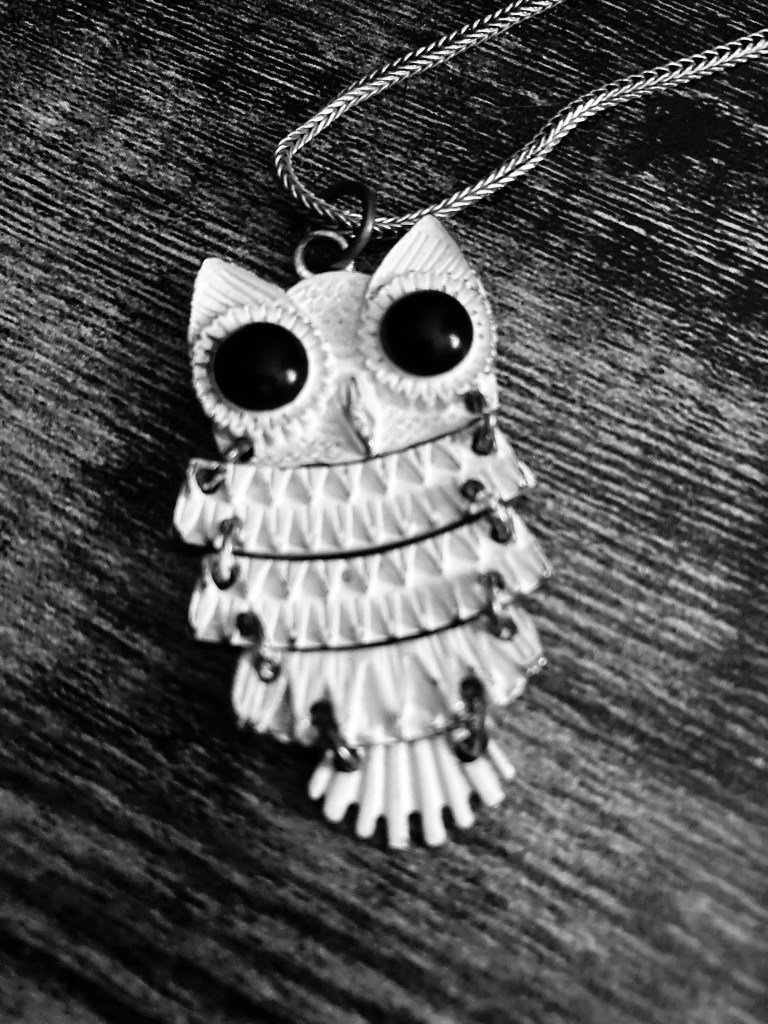
On my desk is a kitschy owl pendant I’ve had for over a decade. I rediscovered it recently, wear it sometimes. It landed on my writing desk at some point in the last week or two. It is almost unfathomable to recall who I was when I first wore it and who I am now. And I’m startled too to think of continuity, and what we retain of ourselves through all the years and all the changes, what has always been a part of us. What a victory, to be able to recognize and embrace all these parts and versions of ourselves, and where we are right now at this precise point in time.

Love, Cath

On Growth and Stillness and Glow

By Catherine DiMercurio

When I was at the pottery studio recently, we were waiting for the raku kiln to reach its final temperature of 1850 degrees Fahrenheit. We worked while we waited. I attached handles to mugs I’d thrown the previous day. I will mention here the details that occur to me as mattering. I worked with reclaimed clay. Scraps once discarded and brought back to new life with water and time and reshaping. I practiced different techniques for crafting the handles, all of which I find difficult, none of which resulted in the graceful form that I’d hoped for, all of which will be fired and glazed and useful and beautiful anyway.

The woman sitting at the table behind me was talking about how she did not like how the nights were getting cooler and that she could hear crickets now. As soon as you hear the crickets, she said, you know summer is coming to an end.

Had I been facing her or had I known her better, I might have started a cricket discussion with her. Is this true? I might have asked. I have cherished cricket song for as long as I can remember, and often lament the summers when it seems to start so late. I had just been thinking earlier that week of how nice it was to finally hear crickets at night. In my memory, crickets are associated with summer, all of it, not the end of it, but mind and memory tends to blur time and boundaries. Cricket song will always be one of my favorite sounds regardless of when in the summer it begins. But I’ve been thinking about what she said.

I thought about how, if this is true, about crickets being a harbinger of the end of summer, then in a way, they are like my favorite moon phase, the waning gibbous, which I’ve written about here before. It is something that to me symbolizes a period of calm in the aftermath of the large, chaotic wildness of the full moon. It also reminds me of the lines from one of my favorite poems, Wallace Stevens’s “Thirteen Ways of Looking at a Blackbird”:

I do not know which to prefer,   

The beauty of inflections   

Or the beauty of innuendoes,   

The blackbird whistling   

Or just after.  


There is so much I love about “just after” moments. Maybe for me, it is a way to prolong a moment, because in the moments after, if you are of a mind (and a heart) that is able to fully savor, it’s almost as though you are still living the actual moment.

Sometimes I wonder, though, if I have difficulty in fully living in the moment. Is the pleasure I take in the “just after” moments merely the counterpoint to the anxiety or anticipation that I often experience before the moment? And do both overshadow my experience within the moment itself? Maybe sometimes. Not always.

Take the raku firing for example. It was explained to all us students the timeliness of what would happen the instant the kiln was opened, how we must briskly but safely retrieve our pieces. Sometimes, based on the choreography of the kiln, we’d need to wait a moment until someone else removes their piece before we can safely access our own. Such was the case with my piece. And in that moment of waiting, I stared at the vase glowing in front of me. At that temperature, all the ceramics glowed like bright stars. My piece had some carving in it, vines and leaves. And because in those places the clay is thinner, they shone even brighter. And it felt like the image was burning itself into my memory. I wished I had been able to take a picture, but there is no time for such things. You have to move quickly and get your piece into a metal bucket filled with newspaper. The paper catches on fire. After it burns for several seconds, you put the lid on it. This is a reduction environment, with a limited amount of oxygen, and it is where the magic happens. The oxygen is consumed by the burning of the combustibles. This creates beautiful effects in the glaze.

Still, regardless of how much you make of a moment, or just after, or just before, they are all only moments. We might be able focus our consciousness during them to experience them more fully, but they last as long as they last.

When I think about how I want to live, I think about moments a lot, and how to make the most of them, whether they are blazingly beautiful and exhilarating or whether they are strikingly ordinary. I think too, of the moments we’d like to forget. Certainly there is a lot of talk about learning from difficult things, and how this is the method to discover value in mistakes and tragedy. Too often, too many of us get stuck there, in this search for meaning. I get overwhelmed by the need to understand the whys and hows of bad things. I replay them in my head from all the angles and look at what could have been done differently. And I do that because the world has suggested that this is a way of making them “okay” somehow, if I at least learned from them. But, what if I didn’t learn the right lessons? What if I didn’t learn enough? We are told we are doomed to repeat past mistakes unless we really and truly learn all the right lessons. But we are also told not to dwell on the past.

Because my brain has formed this habit of overanalyzing past pain, errors, and difficulties, I began to believe that if I failed to learn from the past—enough things, the right things—then I invited nothing but pain and tragedy in the future. But this is a miscomprehension, and one that can leave you frozen. It’s not that the past has nothing to teach us, but it is one class in a full schedule. It’s not the only way, or the only thing, we learn.

Photo by Skyler Ewing on Pexels.com

And one of the things I’ve learned is that it takes focus and endurance to shift our gaze from past lessons and look at other areas of experience. Sometimes we have to keep opening our hearts and looking at the world with a fresh eye. We focus, with all our strength, on the unfurling of fern fronds, and the way lake water baptizes our hearts into their new whole selves, and the way peace stretches roots within our lives when we invite it there every day, and on the star-glow of freshly fired clay. Maybe we must be clear about what we’ve won, not only what has slipped away as loss, and be just as clear-eyed about what we willingly trade every day, as in, I will accept the occasional storm of loneliness so that I can steep myself in calm for as long as I need to, for as long as it shows me how to grow, even though unfurling happens in increments so whisperingly minute it looks like standing still. But it isn’t.

I’d like to say that I find myself at an inflection point: tired of trying to learn everything I am supposed to from the past and ready to refocus my gaze. Yet, I’ve been inflecting. I’ve been at this, refocusing, shifting, turning, for many moments, but because it is so gradual, I sometimes forget that what looks like standing still from the outside can feel like standing still from the inside too. But it’s not. [And also, is there anything wrong with stillness? No.] Physical growth can be demarcated on a wall, a pencil line scratched into poplar molding glossed with white latex paint. I remember the smell of my children’s hair as I marked their height, the earthy sweetness of their sweat, the scent of the summer air clinging to each beautiful strand on their scalp. But how do we mark out our own growth as adults, out of the lattice work of our own pasts and into who we are now? There is no pencil for this, no wall, we simply keep going and wondering. We are unfurling, whether or not anyone can see it. When we think but I am trying so hard we must believe in the efforts we are making, whether or not our growth can be demarcated with pencils or moments or star-glow or nothing at all.

Love, Cath

On Roles and Poses

By Catherine DiMercurio

A scene from Wes Anderson’s new film, Asteroid City, keeps playing in my head. In it, actor Jason Schwartzman plays actor Jones Hall, who is playing the role of Augie Steenbeck in a play called “Asteroid City.” Jones breaks out of his role as Augie to tell the play’s director, Schubert Green, played by Adrien Brody, “I still don’t understand the play!” Jones expresses his angst, asking “Am I doing it right?” Schubert tells Jones that it doesn’t matter. “Just keep telling the story,” the director insists.

The film makes use of a multilayered frame narrative. It opens with a scene from a 1950s television special about a playwright (Conrad Earp, played by Ed Norton) and his play, “Asteroid City.” Throughout the film, the actors are not just playing their role in Wes Anderson’s film; they are playing their role as the actors in the play. As actors in they play, they periodically step out of their roles and interact act with one another (as characters in Wes Anderson’s film). Get it? All of that can be a little hard to follow, but it speaks to something essential about the ways we enact multiple roles in our lives, how interconnected those roles are, and how often we find ourselves sitting with that question: am I doing it right? Anderson’s film and his characters are as self-reflexive as we are.

The director’s answer—It doesn’t matter, just keep telling the story—sticks with me, both as an angsty human with a hazy understanding of her own role in this world and as a writer with a similarly foggy grasp of how to approach that role.  

When I was in my twenties and just getting started on my how-to-be-a-writer journey, I had joined a local writers’ group in the town in Illinois we’d just moved to. My then-husband had accepted an engineering position at an automotive plant. The Michigan-based company he worked for often had its contract engineers do a stint out of state for a couple of years before being hired in directly. This was the path we were on. We knew the post was temporary, which made everything feel temporary. There was no sense in putting down roots since we knew we’d be headed home before too long. I knew no one, and had begun freelancing, so I didn’t have a workplace to meet people. So, I joined a writing group. They were an eclectic mix of people. They had an annual gala where everyone read from their work. I was working on a novel at the time. I had never read my work in front of people before, and I was terrified. Yet, I really wanted to belong, to behave as a writer would, so I promised myself I would do it.

At around the same time, my husband and I had also decided to take a yoga class together, a first for both of us, at the local YMCA. Our instructor used to tell us to “relax into the pose.” I clutched this notion like a life preserver as I approached the podium the evening of the writers’ gala. I told myself to relax into the pose of writer. It helped, somehow.

I think of that now because the phrase, which has often returned to me at various points in my life, recalls the themes of Anderson’s film, and reminds me of all the ways we struggle in our various “poses” or “roles.” We ask ourselves, am I doing this right? Because often, it doesn’t feel as though we are. Am I being a good parent, a good friend. Is this the kind of person I want to be. What kind of partner am I. What kind of artist. What kind of me. Sometimes it feels wrong, or strained, or unfamiliar, to be who we are or where we are, or we find ourselves in roles we never expected to be in.

And sometimes we have the opportunity to isolate ourselves from our roles. I recently returned from a solo camping trip. In the woods, setting up my tent, or out on a hike or kayaking, it was impossible to avoid memories of past trips, to see myself through the lens of my various roles. Camping was something the kids and I always used to do together, so I thought of what it was like to be a parent on such a trip. I also thought of a former role, that of “wife,” because I didn’t start camping until I married. After the split, the kids and I continued to take a camping trip every summer.

But now, out there on my own, flooded with memories as I was, I also experienced a whittling away. The memories came and went, leaving me focused on the tasks of camping: gathering firewood and kindling, pumping water from the hand pump, guarding against rain, cooking, and cleaning up. And there was quiet and solitude. I had time to decide based on my own whim what I wanted to do next. Read for hours? Go to the beach? Haul the kayak down to the water for a paddle? Take a hike along the ridge that looked out over the lake? There were a number of instances where I was keenly aware that it was just me, as me, out there.  The absence of responsibility to anything but my own needs was essentially an absence of roles. And in that space, I found that my brain was able to disconnect from the perpetual figuring it out that it is always compelled to do, the spider web of concerns and ideas and emotions I feel daily as a home owner, an employee, a potter, a writer, a mom of on-their-own kids, a mom-guardian-friend to my dog, a friend, a freelancer, a sister, a daughter.

I love my roles. They, and the absence of them, make me who I am. I exist both in relation to the people (and dog!) and activities in my life as much as I exist in relation to no one. I think these two modes of being are in dialog with one another, under the surface, in ways we don’t comprehend or have an awareness of. And maybe what I have been trying to do my whole life is to connect with that awareness, that unity that hums beneath it all. Sometimes there is a sense of fracture, the feeling that we are broken apart into pieces, fragments of ourselves. There’s an undercurrent of anxiety or urgency at times, one that is hard to put a finger on, where things feel off, misaligned. Sometimes it seems that our various roles are disparate, independent identities but they are all yoked to the core of who we are, and in that way, are connected to each other. Though, we live in a world where it is not always encouraged or advantageous to bring our whole selves into everything we do, so the prickly sense of fragmentation persists.

After all the afters—after the kids moved out, after I moved out of my old house, after my last breakup, etc.—there were moments I experienced a specific kind of hollowness. The roles I’d been playing to that moment all needed to be redefined, reshaped. But, I wasn’t entirely clear how to do it. I tried to figure out if the roles themselves—understanding them, inhabiting them—were supposed to be my purpose, or, what was the game plan, what did unity and alignment feel like now?

Consequently, I often ask myself am I doing this right? Is this how it is supposed to be? Is this how you do it? Is this how I do it? To see Jason Schwartzman’s character in Asteroid City asking the same questions was piercing, enlightening, and a relief.  I always feel as though I’m trying figure IT out. My role. Life in general. The nature of purpose and being and doing. Trying to understand it all feels at once vital and futile, as if, at birth I was assigned a quest that it was not humanly possible to complete. I do not remember a time when I did not have a sense of wonder and confusion about the nature of self, in all its fracture and unity. Trying to wrap my head around what I was and what I was doing here is in fact one of my earliest memories. I don’t think I’m supposed to stop doing that. I’ve realized lately that I don’t want to stop doing that, that I don’t need to. For some time, I wondered if, in the ceasing of that effort, some sort of peace or perpetual happiness waited. Maybe it does, but to get there I have to stop being who I am, and if that is the path, it is not one I am ready to be on.

At the same time, doing all that gets exhausting. It often doesn’t feel like I’m relaxing into anything. Which is why I knew I needed the break that camping provided. Where whim was the guiding force, where all of the talking and wondering and chatter in my brain quieted down. I am getting more in tune with how that balance works for me, between the busyness of figuring out how all the roles exist and talk to one another, and the quiet, blank-slate absence of roles I know I can find when I need to.

I don’t want to be any other way than how I am, when I think about it. Maybe I have more figured out than I think I do, maybe we all do, and the issue we deal with is that this world is loud and full of messages that compete and contradict and confuse. It is full Stuff to Deal With. Jobs that pay the bills but also sap our energy, things that go wrong, that fail in our houses and cars and bodies and hearts.  It is so easy to get shaken up, shaken off course, shaken to the bone. Of course we’re going to wonder if this is how it is supposed to be and if we’re doing it right. How could we not wonder that?

Maybe the secret is not to eliminate the questions and the angst, but to stop resisting it. We need to make room for it, get comfortable with it. Relax into it. I think in the end, that’s what was so freeing and elating about the director’s response to Jones’s question in Anderson’s film. It doesn’t matter. Just keep telling the story. It was permission. As if someone gave me, gave us all, permission to not have the answer. We can keep trying to figure it all out, if we feel compelled to, if we like it, if that’s the way our brains work, but we are allowed to not find the answer; there is no failure in not coming up with a tidy explanation or an essay on synthesis. We’re allowed to just keep telling the story. It’s our story after all. We can tell it any way we like.

Love, Cath

On Swimming in the Sun

By Catherine DiMercurio

Sometimes I just want to write about the sun, and the way, after so much chilliness, so many grey skies, it soaks into skin as more than just warmth, weighing more than light. I want to write about the way, no matter how many times I’ve written about pain or healing or difficult times, what I feel often, weaving through moments and days, is a sense of peace, warm and substantial as that sun. I want to talk about the way over the past two years, I have cleared away the debris of several past relationships, and set up camp within myself, creating the cozy, safe place I’d been longing for.

I write often about the things I’ve been working through over the years because it’s such hard labor, hauling away the remnants of collapse. And it helps. It helps me to talk about it and I believe it helps people who visit this space who might be going through similar things.

I don’t live in a rural area but a creek cuts through township where I live, and it feeds a larger watershed. The creek runs along the backyards of the houses across the street and in the neighborhood we see more wildlife than I expected to. Last night at dusk I heard an owl and this morning, geese. I routinely see deer, ducks, and groundhogs, as well as the expected neighborhood critters, like squirrels, skunks, racoons, opossums. Once there was even a heron, looking out of place in someone’s driveway. I love seeing and hearing this wildlife, though I always have the guilty sense of us invading their space rather than the other way around.

But there is pleasure in seeing these creatures in the unexpected place of this suburban neighborhood a stone’s throw from a big city, just as there are unexpected pleasures of working through the difficult challenges I often write about. I so often find surprising pockets of quiet in this busy neighborhood, and I am finding them more often in my mind too, much more often than when my bruised heart navigated one troubling relationship and then stumbled into the next before it could catch its breath. I was always looking for someone to feel like home, to work with me to establish the peace and connection I so craved. Of course I heard the messages of how you have to find these things in yourself before you can find them in another person. My sense at the time was something like, “yeah, yeah, I’m sure they’re in there somewhere.” But I wanted the solid, physical manifestation of those things—home, peace, connection—in another human standing right in front of me.

When my last relationship ended, I remember having the sense both that I needed to find those things within myself but also, that if I did, I wouldn’t care about finding them in another person, that I’d stop looking, and that even if I was happy being alone now, would I always feel that way? It was as if I was trying to satisfy my now self and my future self at the same time, as if I didn’t trust future me to figure out and pursue what she wanted. Because I didn’t. I didn’t trust future me to figure it out any more than I trusted now me.

But I knew my now self needed a break. Time.

And in this time, with all the debris clearing and the setting up of camp and taking stock and being with myself, I have discovered so much that I needed to find. While I’m still trying to rebuild a confidence I probably lost somewhere in early childhood, after one too many comments about being too this or not enough that, I have found ways to untangle the knots of anxiety that used to tighten so easily. It’s not gone, of course, and this would be obvious if you talked to the family members and the friends I confide in, but here’s the thing I learned: it’s okay to confide. That’s one of the reasons the knots are loosened is that I have learned to reach out, to receive comfort, to wriggle free of the shame that is so often attached to what society so often perceives as weakness. There is so much strength in knowing when you need to reach out, and acting on that, and so much value in developing those trusting relationships.

I also have found joy again in the delight I take in simple things. I never realized, until I laughed hard, alone in my house, over some silly memory or a joke I told myself, or a hilarious meme, how wonderful it is to not have to put a damper on your own happiness because someone around you is unhappy. I don’t know if I ever learned how to do that in a relationship. I always felt like I needed to mirror the level of happiness my partner felt, as if it would be offensive to be joyful while being near someone who was either momentarily grumpy or definitely suffering in a depressive state. I have found moments of unmitigated happiness in my yard with the dogs, or on a walk with them, as we curiously explore our neighborhood together. I’ve uncovered the thrill of learning the Big New Thing that is pottery. I have also written so much lately, delving in and drafting and revising and submitting, rediscovering how necessary writing is to my sense of self. I feel so foreign to myself if I miss my morning writing time, whether it’s the aimless wander of journaling or the wild creation of a new story, or the focused attention of revision. It’s no wonder, when I so often back-burner-ed my writing in my last couple of relationships, whether due to time constraints or the overwhelming anxiety I often felt about the relationships, that I felt so out of touch with myself. But I’m back, feeling curious and growing and working and writing and creating.

Photo by Guillaume Meurice on Pexels.com

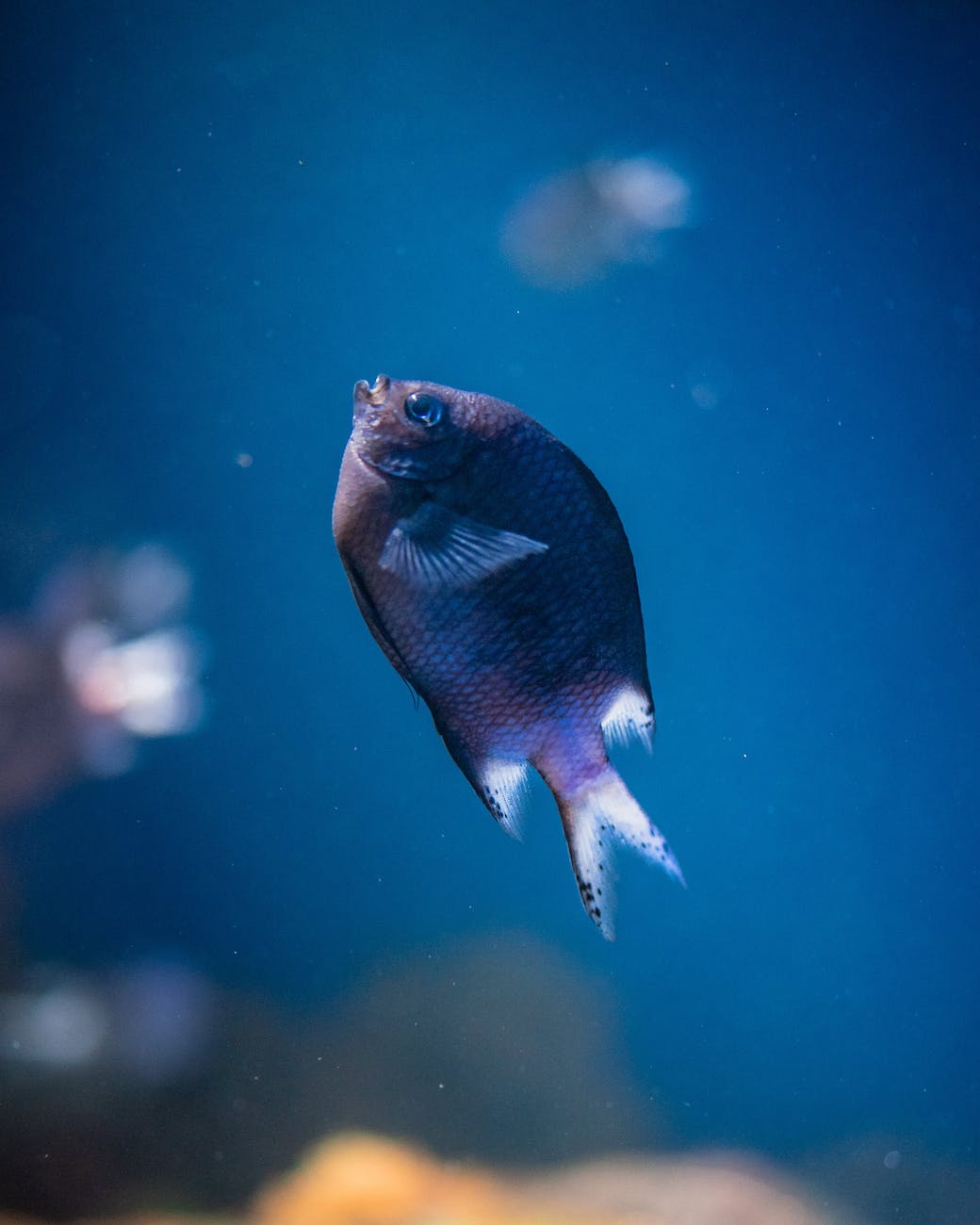
Sure, I feel stuck sometimes, and I write about that candidly, but I also feel like a clever fish, freely frolicking in a big deep lake, swimming to the surface and warming myself in the sun and diving to the depths to explore. That is, I’m embracing a freedom that while scary sometimes is also deeply peaceful and wonderfully delightful.

My point is that for every point I’ve made in this blog about healing and how hard it can be, there is a complimentary point to be made about the reward, the value, the worth of it all. There is always compensation. There is always the awareness that what I’m building is the foundation for everything that is to come next for me.  I’m creating the solid, physical manifestation of the home, peace, and connection I’ve been seeking instead of searching for it in another human standing right in front of me. It’s me. I’ve always been standing right here, but how easily we make shadows of ourselves when it seems like the right thing to do for other people, or because we forgot how to do anything else, or we never knew in the first place. But here we are now, in the sun, at last.

Love, Cath

On Connection vs. Alignment

By Catherine DiMercurio

On a recent frigid Saturday, I gave myself permission to write all day and to not have to worry about anything else. I planned on it all week. I looked forward to it Friday night before I drifted off to sleep, the puppy snuggled against my legs. I woke early, made a big pot of coffee. I threw on some sweatpants and shrugged myself into a sweater. Hours later, when I happened to look in the mirror, I had to laugh at how I’d buttoned it, all askew. I can’t tell you how many times I’ve buttoned my sweaters this way. It started me on down a path though, thinking about alignment, because I can’t unsee metaphors when they jump out at me that way.

Clearly, my desire to write, my writing goals, my writing life—none of that feels aligned with the day-to-day structure of my life. At present, there’s no way around it. Maybe one day there will be away to live differently, where a full-time job with benefits isn’t so necessary, but I’m far from that now. As it is, I’m lucky to have a job where I’m interacting with books for a living. There are worse jobs a writer could be doing.

But I was also thinking about the idea of alignment in terms of relationships. As I’ve discussed here in recent posts, I find myself no longer clear about what it is I want, which comes as a surprise to me. I keep asking myself, do I even want to be in a relationship now, ever again? I saw someone on social media saying that men think they are competing with the top ten percent of other men for women’s affection, but they are really competing against the peace a woman feels in solitude. I know a number of women for whom this is true, and it definitely struck a chord with me.

Whenever I test the waters, start exploring how I might be feeling about the possibility of trying dating again, I invariably think about past relationships. One of the things I have prized most when I’m in a relationship is sharing a deep sense of connection with my partner. I’ve heard myself saying this to friends, whenever I dip into lonely and maybe, that it is this, perhaps, that I miss the most. Connection. I’ve said it so much that I have finally started asking myself what I truly mean by connection. I think, in a romantic relationship, it has several components. Chemistry is one. That feeling you get when you meet someone and feel like something instantly clicks. But that is only a small, shallow part of it. There’s also the intense bond that begins to grow as you share more and more about yourselves, your beliefs, your past. I find the tenderness of vulnerability to be deeply appealing. I have always been more attracted to vulnerability than confidence. In many men, you can see it underneath a surface bravado, like bright, beautiful, curious fish swimming under a surface of thin, clear ice. And I have romanticized this, the idea that I will be the one to tap into that. I think Gen-X women in particular were taught to do this in pretty much every teen movie that came out in our youth, the sweet guy lurking beneath either the bad boy or the cool kid image. The thing is, a lot of men were taught to be this way too, to hide part of themselves away. Maybe some of them believe the “right” person will be able to see them for who they are, maybe some of them just kept building up layers and not letting anyone in.

Photo by Maria Orlova on Pexels.com

Still, as I thought about this more, recalled conversations where I believed a connection to be building and deepening, I began to understand that my desire for this type of connection was something that could be, and had been, easily manipulated. While I was opening myself up, ready to share honestly and deeply, the men I dated were more spare in what they shared of themselves, doling out confidences in doses designed to keep me interested, and themselves in control. It’s hard to say what was intentional and what was simply a learned but unconscious behavior, but it created an imbalance that always left me wanting more. And I thought that was the point, that energy, the craving, I thought it all meant we had this intense connection. But, I think that everything I believed connection to be, everything I wanted it to be, was standing in for something that I truly hoped for but have never found: alignment.

I don’t know if my understanding of alignment actually aligns with how the word is sometimes used in some pop psychology/relationship circles. It’s often discussed as shared values and having the same vision for the relationship. I think there’s a little more to it than that. The notion of shared values is a tricky idea. If you’re really into someone it is easy to interpret behaviors as evidence of a shared value, or to think, “close enough!” and shove that square peg in a round hole and call it aligned. What I’m thinking of goes a little deeper. What I hoped for in relationships, what I allowed a type of connection to stand in for, was a common way of being.

I got this wrong too, in the past. I thought after marriage to a mostly extroverted person, that dating mostly introverted people, people like me, meant that I was finding people who approached the world the same way I did. And again, I allowed that to confuse things, allowed myself to believe that there was a connection that was deeper than it truly was.

But those things are different than my way of being in this world. I’ve been trying to pin down with language the way I would describe how I see myself interacting with the world. Where does the “too sensitive” label that was always attached to me arise from? Is it empathy? I do think of myself as an empathetic person. I was the type of kid who felt personally injured whenever I knew someone else’s feelings to be hurt. But, that wasn’t quite exactly the full story.

I’ve been drawn to men who seem to possess qualities compatible with my empathy, men who wanted to make the world a better place, or who had a gentle way with animals, or who were deeply loyal to their friends or family. But as I got to know them better, I also saw other things. It wasn’t that they didn’t behave in kind or empathetic ways. In fact, it was glimpses of those traits that made be attach myself more eagerly to them. But something was missing. It was different for each of them, but I think as I look back, I can see that they all shared some similarities, a conviction of their own rightness in how they looked at the world, as well as some kind of determination to keep a part of themselves closed off from me. There was a lack of curiosity about the way other people, myself included, approached the world, and a lack of openness to other perspectives, to me.

Yes. Openness. And here we are. I feel like I’ve just come full circle, writing this. No wonder I named this blog Chronicles of the Open Hearted. This is it, how I approach the world. My way of being in it. Openness. Empathy is a part, but not all of what I’m talking about. I am not guarded, though I have tried to be. In new social situations, though my introvert self feels quiet, and easily overwhelmed, my empathetic self is eager to find something in common, to make the situation feel less awkward, and invariably, I feel like I’m a little too much myself, too open, sharing too much. Ironically this tends to make things more awkward because people don’t often know what to do with someone that seems incapable of being glib and guarded until you get to know someone better.

I guess what I’m realizing now is that I want to see those bright and beautiful fish right away, without having to glimpse them through a layer of ice. I want heart-on-your-sleeve. I want true vulnerability and earnestness, not a performance of it. I want curiosity and openness, to me, new ideas, the world.

So, what is your way of being? Are you and your partner aligned in this way? If not, how do you make it work? If so, how does that feel? What challenges do you face? If, like me, you’re unpartnered, have you begun to realize, like I have, that you have built friendships with people who share aspects of your alignment?

I can see now how all the things I attributed to connection—chemistry, heady conversations, emotional vulnerability—all these things felt good, but they also created a cloud of sorts, a fog that kept me from seeing what was missing. I was hyper-focused on developing the connection because I believed that to be the foundation of a good relationship. It certainly doesn’t hurt, but both partners must be trying to build it. Still, it shouldn’t be standing in for alignment. At least, not for me. That’s not what I want. I’ve tried it over, and over, and over again and it does not work.

But, it feels good to have arrived at a better understanding of myself. And five years in, I’m understanding this blog a little better. It is about me wanting to connect with you, and always has been. It’s about wanting both of us to feel less alone. But it’s also about openness, because I don’t know how else to be, where to put all these ideas that crowd my brain. It’s my own curiosity, an exploration of ideas as a way of (hopefully) starting conversations, maybe even just the one you have with yourself in your own head.

Love, Cath

On Not Knowing, or, (Not) Navigating Deep Water

By Catherine DiMercurio

I’m not sure why, but part of me still clings to this idea that the clarity I look for as I navigate some of the things I’m struggling with is something that will reveal itself to me as a shout, as a brand new beginning, the shiny other side of the coin, freshly tossed. I want to cross over along the timeline, from one side of a vertical line to the next. To say, definitively, I am here now.

But what the world has tried to teach me over and over is that everything is non-linear. Even a circle would be a welcome, familiar shape, but my life is not that either. Despite the continuity of my days, my carefully cultivated habits and routines, my inner world zig zags, soars and dives, as much as the chaos of the world outside my door.

I began writing this several days ago, firmly convinced I understood my mindset on a particular issue. I had decided I was Done, yes, with a capital D, with dating apps, Done searching for a partner, Done with the false (?, hopefully false) urgency of a timeline. Done with that feeling that I would somehow run out of chances or will or heart if I didn’t meet someone in a certain number of months or heartbeats. I don’t think there is a biological clock to this part. Though, I suppose future-me might wake up one day and wish I had tried harder sooner. But we do what we can, when we can. Don’t we? Don’t I? I mean, it is already too late for some of the dreams I once had. I have run out of time to ever celebrate a 61-year anniversary with someone, as a friend’s post about her parents celebrating their anniversary reminded me. I once had dreams of celebrating those types of anniversaries, but I’m aging out of that possibility. Letting go of that, as I’ve tried to do for some time now, means there really isn’t a clock ticking in that sense anymore. If I do meet someone, I’ll likely wish we’d had more time together, whether I met him tomorrow or in five or ten years.

So, I had let myself be Done. For now. For as long as it feels good to be doing the kind of growing and listening to myself as I’m doing now. Until I know how to do that no matter what. Until it’s like breathing, and something that won’t be abandoned like an ill-conceived New Year’s resolution the second I’m dating again.

Because I don’t want to go back to that way of loving, and I’m scared that I will. I wonder, was the reason it felt so good to be completely consumed by a relationship that I had little knowledge of or respect for myself? Did I enjoy losing myself because myself was such a flimsy concept, easy to let go of, so much so that I didn’t realize that she was lost?

Before I decided to be Done, I had grown more careful, deliberate, about who I entered into conversation with on those apps. I didn’t want to enter into anything nonchalantly. If I was going to expend my limited social capital, it had to be on someone I thought there was a chance with. I didn’t want a collection of first dates with men I didn’t plan on seeing again; I wanted to meet someone who was also looking for something long term, not just gathering with me out of sense of gathering loneliness.

I’m not lonely, which comes as a surprise to me. I have periodic moments or hours, maybe even a day or two at the most, of deep, sharp loneliness. But it is something that happens to me and falls away. It isn’t what I am.

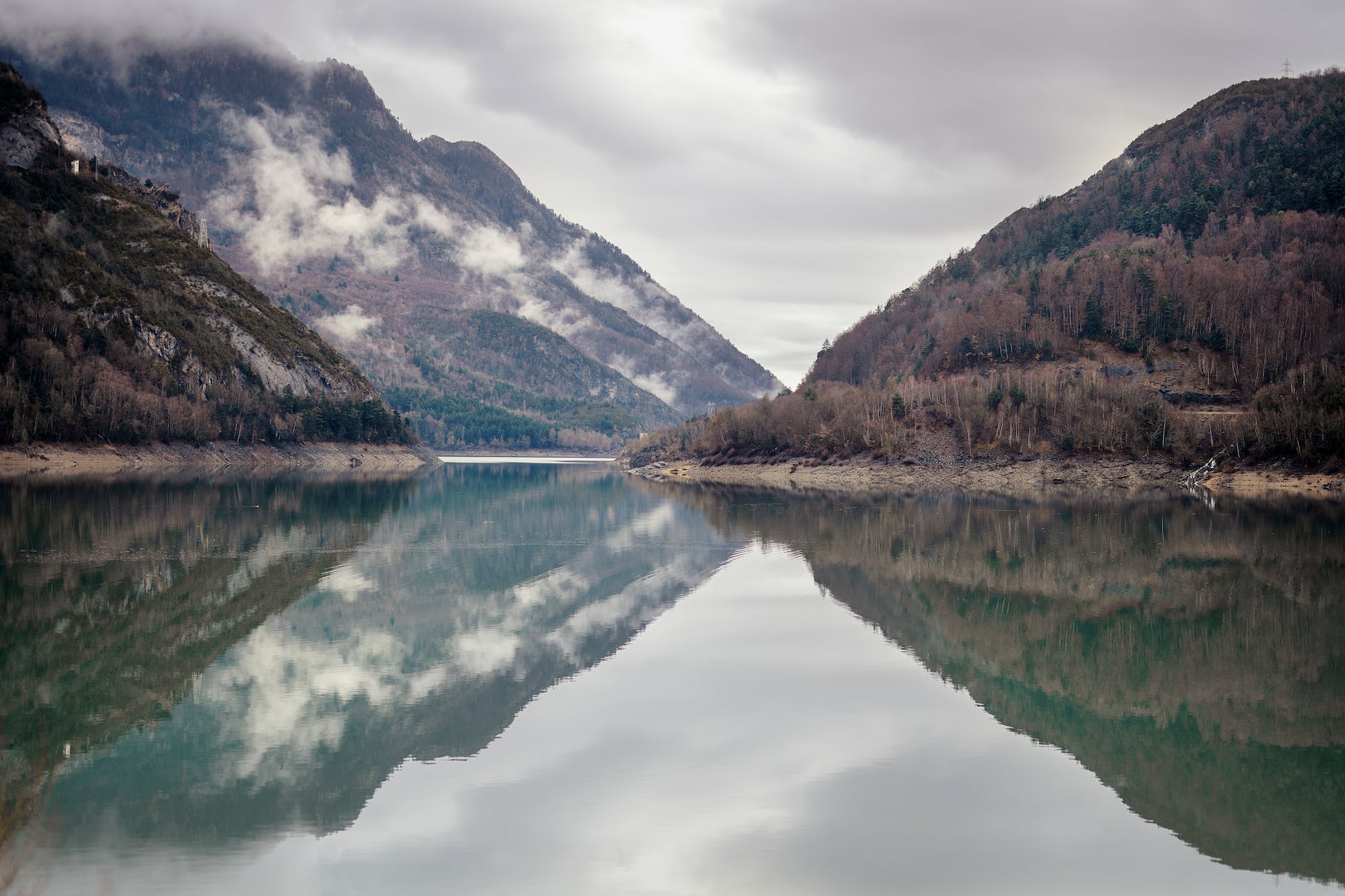
I’ve leaned into that. What does it mean, then, to not be pursuing a relationship? I have always been in a relationship, or in between relationships. Being single but open to something happening still felt for a long time like many things: expectation, hope, wish. The natural order of things had been, for so long, that I was partnered. I always thought that I was a better me with someone else, but I didn’t have much to compare it to. If my time alone were drops of water, they would have filled a few drinking glasses, whereas my time with a partner over the years, between my marriage and my post-divorce relationships, filled up bathtubs. A swimming pool maybe. But, on my own, I am something else entirely. Something that can’t be measured by way of shallow, domestic containers. On my good days I feel like a lake, carved fathoms-deep by ancient glaciers. I have always been this same person, even when in relationships, but I didn’t know her yet. And if I didn’t, neither did the men I was with. How could they?

Photo by Miguel on Pexels.com

I often feel slow to understand things. My comprehension feels impaired by an onslaught of input. I’ve regarded myself as deep-thinking, but not quick-witted. Brains work differently. Mine is full of images and words, teeming with them. I can only handle so much external input at a time. So when I look back at what it was like to be in relationships where I prioritized the needs of my partner over my own (and unpacking that tendency is a whole different series of essays) it is no wonder that I have been slow to know myself. Think of all that additional input! Not that you can’t learn anything about yourself in a relationship. I can and did. But because of the way I was going about being in a relationship, there were things that I couldn’t learn about myself until I was on my own.

But for some reason I felt as though I needed to commit to the idea of being Done. To say, I am here now, on this side of that line. I felt as though I had to say, I know exactly what I want and it is this. That way, I know what to do, or not to do, next. When I had a tug of longing to be with someone, I then wondered, did I commit to the wrong idea, the wrong game plan? Do I still want to find someone?

The bottom line is, I don’t know, and I’m not comfortable not knowing what I want. It feels like failure. It feels like lack of insight, not knowing my gut. It feels wrong, and as if it must be remedied. It feels like wasted time. If I knew what I wanted, I could pursue it, and get on to the next part that much faster. It feels like something I ought to be ashamed of and I’m not sure why. Maybe it is because by now I should have this part figured out?

How can I not know what I want? I feel like I was always supposed to know. What do you want to be when you grow up, where do you see yourself in five years, etc. We’re supposed to be able to visualize it so we can manifest it, right?

I think one of the reasons I don’t know what I want in terms of a partner is that I’m figuring out what I want in other areas of my life. I know that I want to continue to pursue both writing and pottery, and I know that I can’t do either of those things without my “real” job that keeps a roof over three heads, mine and the two dogs. And I want a big enough roof so that when my kids come home to visit everyone has a place. And I want to nurture relationships with family and friends, connections that mean so much to me, that have on and off over the years been largely neglected when I was busy being totally consumed by romantic relationships that I let swallow me up. All of this adds up to a fullness I didn’t realize was possible. Sometimes I can’t imagine where a partner would fit into all that, possibly because I’ve never had a partnership where the fullness of both people’s lives was respected and nurtured in a healthy way.

I think the most important thing for me right now is the idea of embracing the mindset of not knowing, instead of fearing it, or, embracing it and the fear. It’s a little like swimming in deep water with no shore in sight. Yet, when I think about it, when we struggle with understanding ourselves, we are, in a way, both the swimmer and the deep water. We can keep ourselves afloat, or we can pull ourselves under. We are vast and deep, not easily navigated, and there is no shame in that. Oddly, what I am finding, is that a person can be true to themselves without having it all figured out. 

Love, Cath

On Incongruity and Metaphor (Or, On Not Giving Up on Yourself)

By Catherine DiMercurio

If you follow this blog, you know my approach: I write about things that are going on with me—in my head, and in my heart, and in my life—in the hopes that it reaches someone who might be going through something similar. Someone who is thinking/feeling the same thing and feeling crazy or isolated or scared because of it. I try to say quietly and loudly and slantwise and head-on, you are not alone, you are not alone, you are not alone. Because it is so easy to feel that way. To think that. To be trapped in the thought patterns that keep us feeling like we have no one who can relate to us. Writers are often told to write the book they want to read or that they feel is missing from the world. While I do keep trying to do that with my fiction, I’m also trying to do that here: write the words that I feel should be out in the world.

This may or may not be true, but I imagine there are plenty of people in the world who have long felt secure in themselves, who aren’t troubled by anxiety or depression, who might stumble on my blogs and wonder what is wrong with that person or geez, another one about self-trust? Or, why isn’t she over some of this stuff already?

But I’m writing for the people who feel things deeply, who have maybe have given too much of themselves away and in doing so, created on their heart a soft surface where blows leave marks that last a long time.  

I do feel like a broken record sometimes though. I wonder if I’m ruminating too much. I’m weighing all the advice about feeling your feelings and processing things and trying to make sense of it all and figuring out what is next, and when, and how, and why. It’s a lot, isn’t it? Life is a lot, for everyone.

This week was full of difficult anniversaries of things and a terrible dentist appointment and if it hadn’t been for a couple of texts, messages, and phone calls, along with an enormously satisfying throwing session in pottery, I would have struggled a lot more than I did. Though, the week did not end without tears.

I realize sometimes that I almost let pottery slip through my fingers. It would have been easy in the beginning to do the thing I used to do: not try, or not follow through on something that I knew I was not going to be good at right away, or at all. I was very discouraged that initial semester.

I think if I had started pottery even just two years ago, I might have given up in those early months. Might have powered miserably through the first semester and never taken another class. Might have told myself “You’re never going to get the hang of this. You’re too uncoordinated. It’s too hard.”

When I was feeling frustrated and like I wasn’t learning fast enough during that first semester, I bought a wheel, a cheap model I ordered online. I practiced at home. I reduced the amount of time I was “failing” publicly. In a way, I outsmarted myself. I knew the biggest obstacles to continuing with pottery were the feelings that everyone was better at this (and many were; there were a lot of returning students) and the huge—though needless—embarrassment I felt that I was slow to acquire skills and techniques everyone seemed to possess already. Even the other new people seemed to learn faster than me. But practicing at home, privately messing up and starting over and over, was what enabled me to get more comfortable with the clay, and with myself. In a way, I was battling a lot in myself. There was a part of me who desperately wanted to keep doing this, keep trying, get better. Keep playing. And there was the uncomfortable, anxious, critical part of me who fought back. That part is vulnerable and self-protective, and I have been working so hard to heal it. I couldn’t tell myself to just toughen up and push through, though. Pottery—or, a deep longing to explore this medium—both encouraged and enabled me to have these two disparate parts of myself start working together.

First, I had to stop telling myself never. I stopped saying, “you’ll never figure this out; you’ll never be good at this.” Instead, I’d ask people how long they’d been doing pottery. I’d gauge how long it might take me to feel more proficient, and I introduced the term yet into the way I talked to myself about my efforts. I haven’t learned that yet. I haven’t mastered that yet.

So what was the difference? How was I finally able to get to a point of mediating between these two competing parts of myself, both very childlike, one wounded and wary, one playful and enthusiastic? How did I not fall into the usual trap of avoiding something I couldn’t excel at quickly? It’s hard to pin it down, but I think one reason this lesson finally “took”—after years of similar internal battles—was because of the things I’d been learning about myself after my last breakup. I told myself a lot of things in that relationship that did not serve me. One of them being that I had to make it work because I was 50. I had reached the cutoff point I’d given myself. I didn’t want to start over with someone new. I tried so hard to mold myself into who I needed to be to make that relationship work, except, that person was a shadow-me. That person couldn’t, or wouldn’t express what she needed, and felt like she ought to not need anything at all, since needy was bad, right? But when it began to feel all too incongruous with who I was, I talked myself into changing course. I talked with my partner about what I needed and hoped for, and it soon became clear that we weren’t good fit after all.

One of the lessons I learned from that experience, the one that helped me stay in pottery, was to stop saying things to myself that make things worse. Just as I needed to stop telling myself to “make it work” in that relationship, I also need to stop telling myself that I’d never be able to center the clay or pull up walls or make a cylinder. I needed to stop saying that I’d never be able to do it or never be good enough.

At the end of the relationship, the incongruous feeling I was having centered around the me I knew I was, and the me I was telling myself I needed to be to make the relationship work. By the time I was taking that first semester of pottery class, I was starting to get more and more comfortable with listening to myself, to watching out for what made me feel less like myself (whether it was my own words or someone else’s). What was incongruous that first semester was the part of me saying give up. Most of me didn’t want to give up. But I had to have a long, difficult talk with that other part of myself who kept saying I should.

[Disclaimer: there are obviously times when it makes sense to try with everything you’ve got to make a relationship work! There are plenty of relationships worth fighting for. The ones that are worth that effort are those in which you do not have to be someone you aren’t for it to work. Yes, both parties should be willing to compromise, but you compromise about preferences, choices, behaviors, not who you are, and not the essentials of what you need. Some key questions (among many) to ask yourself: Is it safe to be myself? Am I becoming less of who I am in this relationship? And are my efforts to improve the relationship being matched and reciprocated? No relationship is worth disappearing over, and both people should be giving it everything they’ve got.]

Sometimes in my current pottery class, I still get overwhelmed with how much I don’t know. Sometimes it feels like beautiful, endless, possibility and other times I feel small and uncreative and like I can’t tap into whatever it is I need to in order to grow, to feel like I’m as much of an artist as the other people in the studio. I still feel like I’m learning rudimentary skills. But after a great throwing day, where I pushed myself and made some larger pieces, I took a look at everything I threw and thought, I’m a potter. I’ve said it before, even put it in a dating profile, but this was the first time I’d thought it and felt it. It took eleven months to get to that point, and it has been worth the effort.

I love it when a metaphor presents itself to me. I used to say that running is a metaphor for everything, and it is. So is pottery. The world is full of metaphors rushing to in to help you understand the meaning of effort and beauty and reward and . . . self. How we return to ourselves is one of the most important journeys we can ever embark on. Wishing you peace and insight as you find your journey, and the metaphors that become your maps.

Love, Cath