On Lanterns, Looking, and Home

By Catherine DiMercurio

Many people have been inspired by the line Emily Dickinson wrote to a friend, “I am out with lanterns, looking for myself.” It struck me today too, as I came across it again.

Recently, I was texting with my firstborn, about various things, but the conversation turned to the idea of home. Several months ago, I helped them and their partner move from the house they’d been living in with too many college housemates into their own place, one of those quirky Ann Arbor apartments comprised of a collection of rooms in an older house. It is cozy and suits them. My child was telling me that they finally have a place that feels like a home that is their own. This delights me: my child feels safe and happy, in their own place, in a healthy relationship.

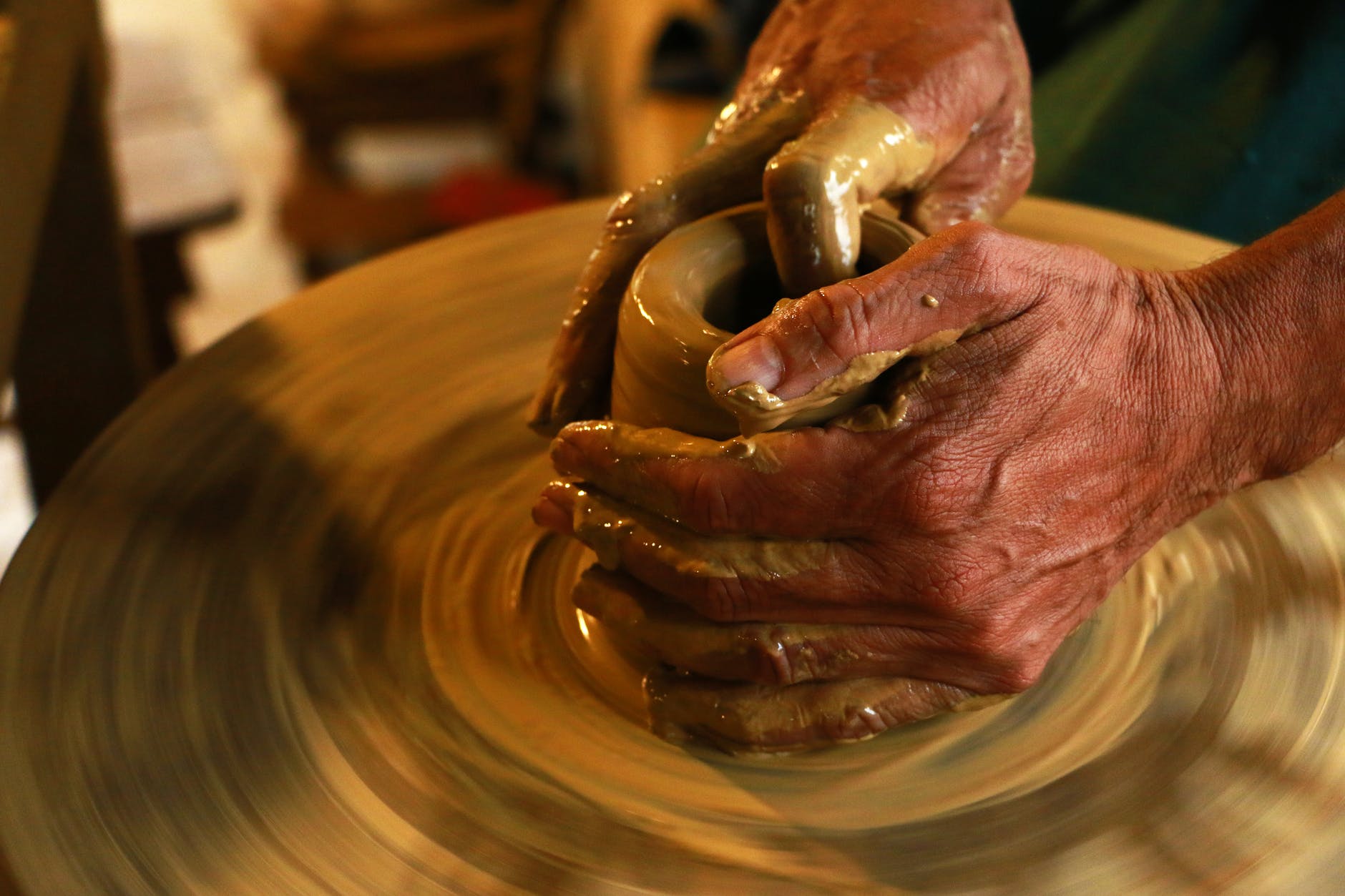
Less recently, though it still feels like yesterday to me, I moved out of the house I’d lived in for twenty years, raised my kids in, lived the best and worst years of my marriage in, into this little ranch house in a different suburb, not far away but very far away from where I used to be. And I only feel that my new house is home some of the time. I do love what I’ve built here, that this house is a reflection of my personality, filled with books, watercolors, pottery, artwork from friends, and dogs. It is cozy and it suits me. But sometimes, it doesn’t feel quite exactly right. It’s like a newish shirt you mostly love but when you put it on you remember that the tag is itchy. Sometimes. Other times, like now, everything feels safe and good, happy and peaceful. It’s early morning and I’m drinking coffee from a mug I threw and glazed myself. I’m snug under a blanket I crocheted years ago. The puppy is cuddled up next to me. I’ve decorated a small tree—my solstice/Christmas/winter magic tree—and strung up some colorful lights. I feel lucky. I have created peace and stability for myself in a way that several years ago I wouldn’t have ever thought possible.

When I feel restless, or have that what am I doing here feeling, I know where it comes from now. When loneliness hits, it is usually from two directions. One is from the past, from the part of my life where I woke up in the same house as my children for the first 18 years of their lives. I don’t think it matters how full your life is as an empty nester; part of you is always aware that the loss you know was coming is happening. That empty space takes up space. The other direction loneliness attacks from is from the future. We all have points in our lives, after the loss of a meaningful relationship, where it feels as though the future we had anticipated is being erased, like an Etch-a-Sketch turned upside down and vigorously shaken. As new relationships unfold, we wonder, is this the future, beginning to take shape? When those dissolve too, it feels like starting all over, with the future blank again.

I also keep forgetting that “the future” is not a single fixed point. It is hard to embrace the idea that nothing is really fixed, as in, a single unchanging point in time, and fixed, as in finally and fully repaired. Everything is in perpetual motion, our healing, and where we’re headed. What happens next is the same thing as how am I continuing to grow, and it appears in my mind like night, with a sky full of stars, and I’m out wandering, with my lanterns.
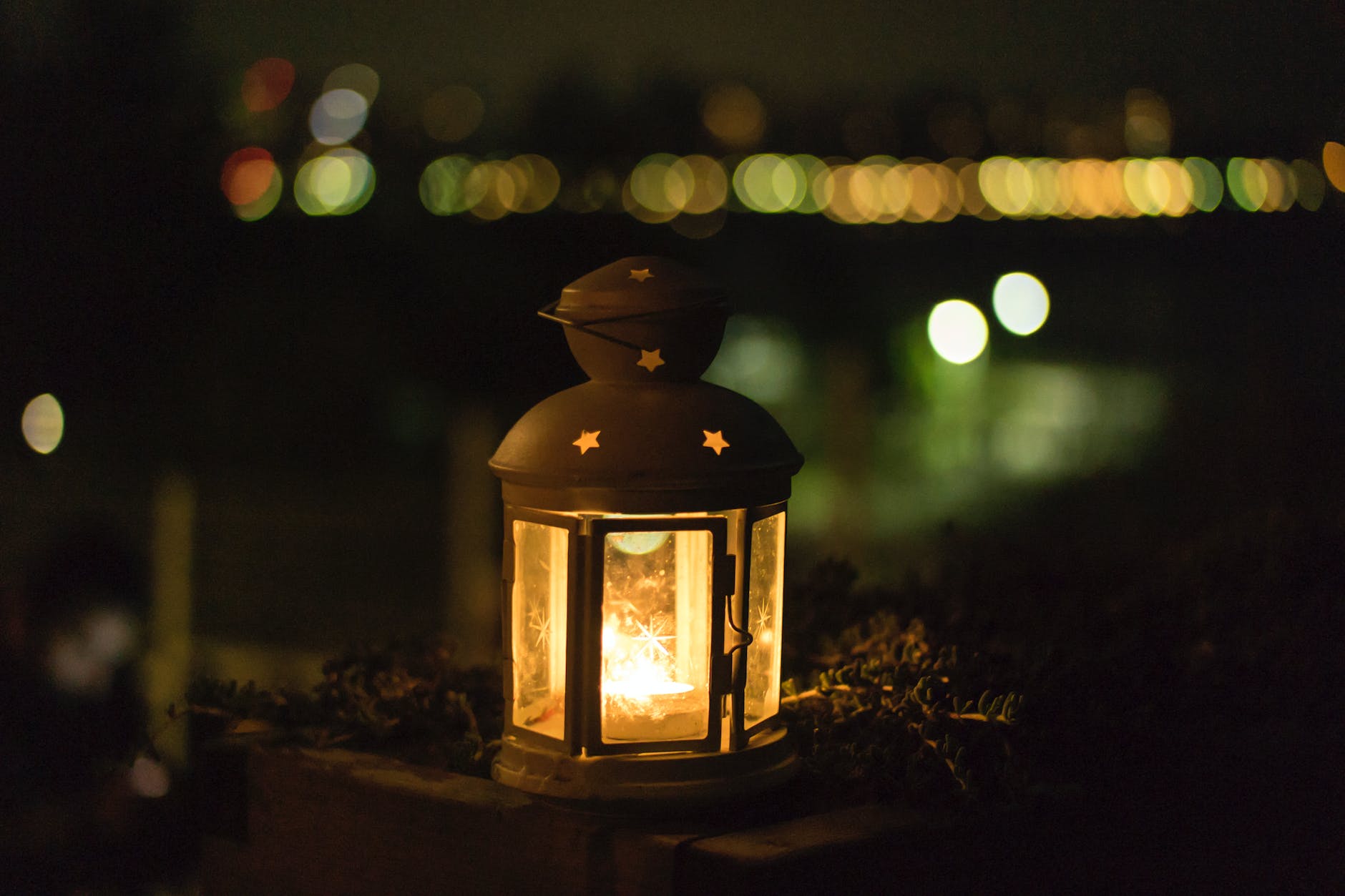
Photo by Burak The Weekender on Pexels.com

And all of this is tied into the idea of home for me. The house I currently live in blinks on and off, in a way. It feels like home, and then it flickers, and the feeling fades, and then it’s back on, steady as ever. What I’m beginning to realize is that it is less about this house and how long I’ve been in it, and whether or not my kids have lived here, and more about me being at home with myself. This feeling is getting stronger and stronger with me, after years of faltering, and looking for home in someone else. I didn’t even know that feeling that way about myself was possible, or important, until recently. It’s beautiful to think of home as either where you were raised, or, being with the people who love you regardless of your physical location or place of residence. But feeling at home with yourself, knowing that you are the safe place and you are the someone who loves you, that is something else entirely. I love that this is happening for me, that I finally thought to look for it, and that the feeling is becoming fuller and steadier.

Sometimes when I’m out with those lanterns, I’m not really looking for myself anymore. Sometimes I’m feeling found, and I’m just enjoying a starry walk with myself. But I do know that everything changes, especially selves, and that I am no more a fixed point than anything in future. So, to some degree, I’ll have to be out looking with some regularity. Sometimes that’s a scary thought and sometimes I’m just tired, but it feels important and necessary.

I keep returning to these same ideas over and over but sometimes we need to keep hearing the same message, whether from ourselves or from outside sources, multiple times as we learn and grow and acclimate ourselves to new ways of looking at things. For me, this is part of being open hearted. To grow, I need to be patient with myself, with the way I learn and the pace at which I learn. So I’ll be out there with lanterns, as usual. Maybe I’ll see you there.

Love, Cath

On Incongruity and Metaphor (Or, On Not Giving Up on Yourself)

By Catherine DiMercurio

If you follow this blog, you know my approach: I write about things that are going on with me—in my head, and in my heart, and in my life—in the hopes that it reaches someone who might be going through something similar. Someone who is thinking/feeling the same thing and feeling crazy or isolated or scared because of it. I try to say quietly and loudly and slantwise and head-on, you are not alone, you are not alone, you are not alone. Because it is so easy to feel that way. To think that. To be trapped in the thought patterns that keep us feeling like we have no one who can relate to us. Writers are often told to write the book they want to read or that they feel is missing from the world. While I do keep trying to do that with my fiction, I’m also trying to do that here: write the words that I feel should be out in the world.

This may or may not be true, but I imagine there are plenty of people in the world who have long felt secure in themselves, who aren’t troubled by anxiety or depression, who might stumble on my blogs and wonder what is wrong with that person or geez, another one about self-trust? Or, why isn’t she over some of this stuff already?

But I’m writing for the people who feel things deeply, who have maybe have given too much of themselves away and in doing so, created on their heart a soft surface where blows leave marks that last a long time.  

I do feel like a broken record sometimes though. I wonder if I’m ruminating too much. I’m weighing all the advice about feeling your feelings and processing things and trying to make sense of it all and figuring out what is next, and when, and how, and why. It’s a lot, isn’t it? Life is a lot, for everyone.

This week was full of difficult anniversaries of things and a terrible dentist appointment and if it hadn’t been for a couple of texts, messages, and phone calls, along with an enormously satisfying throwing session in pottery, I would have struggled a lot more than I did. Though, the week did not end without tears.

I realize sometimes that I almost let pottery slip through my fingers. It would have been easy in the beginning to do the thing I used to do: not try, or not follow through on something that I knew I was not going to be good at right away, or at all. I was very discouraged that initial semester.

I think if I had started pottery even just two years ago, I might have given up in those early months. Might have powered miserably through the first semester and never taken another class. Might have told myself “You’re never going to get the hang of this. You’re too uncoordinated. It’s too hard.”

When I was feeling frustrated and like I wasn’t learning fast enough during that first semester, I bought a wheel, a cheap model I ordered online. I practiced at home. I reduced the amount of time I was “failing” publicly. In a way, I outsmarted myself. I knew the biggest obstacles to continuing with pottery were the feelings that everyone was better at this (and many were; there were a lot of returning students) and the huge—though needless—embarrassment I felt that I was slow to acquire skills and techniques everyone seemed to possess already. Even the other new people seemed to learn faster than me. But practicing at home, privately messing up and starting over and over, was what enabled me to get more comfortable with the clay, and with myself. In a way, I was battling a lot in myself. There was a part of me who desperately wanted to keep doing this, keep trying, get better. Keep playing. And there was the uncomfortable, anxious, critical part of me who fought back. That part is vulnerable and self-protective, and I have been working so hard to heal it. I couldn’t tell myself to just toughen up and push through, though. Pottery—or, a deep longing to explore this medium—both encouraged and enabled me to have these two disparate parts of myself start working together.

First, I had to stop telling myself never. I stopped saying, “you’ll never figure this out; you’ll never be good at this.” Instead, I’d ask people how long they’d been doing pottery. I’d gauge how long it might take me to feel more proficient, and I introduced the term yet into the way I talked to myself about my efforts. I haven’t learned that yet. I haven’t mastered that yet.

So what was the difference? How was I finally able to get to a point of mediating between these two competing parts of myself, both very childlike, one wounded and wary, one playful and enthusiastic? How did I not fall into the usual trap of avoiding something I couldn’t excel at quickly? It’s hard to pin it down, but I think one reason this lesson finally “took”—after years of similar internal battles—was because of the things I’d been learning about myself after my last breakup. I told myself a lot of things in that relationship that did not serve me. One of them being that I had to make it work because I was 50. I had reached the cutoff point I’d given myself. I didn’t want to start over with someone new. I tried so hard to mold myself into who I needed to be to make that relationship work, except, that person was a shadow-me. That person couldn’t, or wouldn’t express what she needed, and felt like she ought to not need anything at all, since needy was bad, right? But when it began to feel all too incongruous with who I was, I talked myself into changing course. I talked with my partner about what I needed and hoped for, and it soon became clear that we weren’t good fit after all.

One of the lessons I learned from that experience, the one that helped me stay in pottery, was to stop saying things to myself that make things worse. Just as I needed to stop telling myself to “make it work” in that relationship, I also need to stop telling myself that I’d never be able to center the clay or pull up walls or make a cylinder. I needed to stop saying that I’d never be able to do it or never be good enough.

At the end of the relationship, the incongruous feeling I was having centered around the me I knew I was, and the me I was telling myself I needed to be to make the relationship work. By the time I was taking that first semester of pottery class, I was starting to get more and more comfortable with listening to myself, to watching out for what made me feel less like myself (whether it was my own words or someone else’s). What was incongruous that first semester was the part of me saying give up. Most of me didn’t want to give up. But I had to have a long, difficult talk with that other part of myself who kept saying I should.

[Disclaimer: there are obviously times when it makes sense to try with everything you’ve got to make a relationship work! There are plenty of relationships worth fighting for. The ones that are worth that effort are those in which you do not have to be someone you aren’t for it to work. Yes, both parties should be willing to compromise, but you compromise about preferences, choices, behaviors, not who you are, and not the essentials of what you need. Some key questions (among many) to ask yourself: Is it safe to be myself? Am I becoming less of who I am in this relationship? And are my efforts to improve the relationship being matched and reciprocated? No relationship is worth disappearing over, and both people should be giving it everything they’ve got.]

Sometimes in my current pottery class, I still get overwhelmed with how much I don’t know. Sometimes it feels like beautiful, endless, possibility and other times I feel small and uncreative and like I can’t tap into whatever it is I need to in order to grow, to feel like I’m as much of an artist as the other people in the studio. I still feel like I’m learning rudimentary skills. But after a great throwing day, where I pushed myself and made some larger pieces, I took a look at everything I threw and thought, I’m a potter. I’ve said it before, even put it in a dating profile, but this was the first time I’d thought it and felt it. It took eleven months to get to that point, and it has been worth the effort.

I love it when a metaphor presents itself to me. I used to say that running is a metaphor for everything, and it is. So is pottery. The world is full of metaphors rushing to in to help you understand the meaning of effort and beauty and reward and . . . self. How we return to ourselves is one of the most important journeys we can ever embark on. Wishing you peace and insight as you find your journey, and the metaphors that become your maps.

Love, Cath

On Love Letters and Pancakes

By Catherine DiMercurio

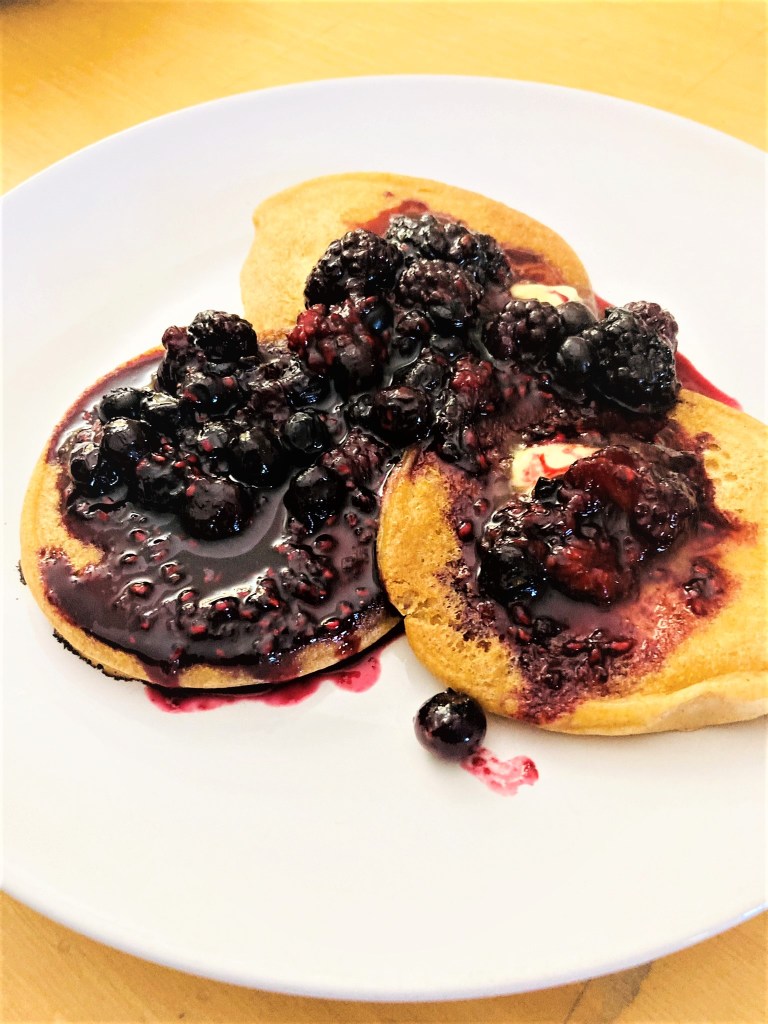
Pancakes are love letters I write to myself on weekend mornings. Yesterday’s were slathered in vegan butter and a syrup made from mixed berries and turbinado sugar, since, shockingly, I was out of maple syrup. I have a long history with pancake-as-love-letter. I used to make them for my family when the kids were little. It was a favorite treat. Every once in a while, if I was up early, I’d make them on a school morning and the kids would be surprised and delighted to have a break from their usual school morning fare of toast and tofu, cereal, frozen hashbrown patties hastily heated, smoothies, or whatever else we threw together. When we’d have neighbor kids over for a sleepover, I could easily be cajoled into making chocolate chip pancakes. All of this was a way for me to say, let me do this for you, make you feel welcome and delighted and full-bellied. Comforted and loved.

Messy but tasty.

Once, when my marriage was building toward its demise, and it seemed like my husband had gradually evolved into someone I didn’t know, who didn’t know me, I made pancakes on a Saturday morning and called the family to the table for breakfast. He sat down, reluctantly, in front of the steaming plate of love letters I’d placed in front of him. “I don’t really like pancakes,” he said. He didn’t even say “anymore,” as I recall. It was as if he was telling me that all along, he’d never liked them, and all along, he’d let me labor under the delusion of my delight in feeding him this treat. All along, what I knew and what I thought I knew were different things. Some seemingly mundane moments like this etch themselves into your soul and you try and talk yourself out of letting them mean too much, but later you are able to understand why it hurt so much more than it “should” have.

Later, after the divorce, after the rebound boyfriend summoned from my college days (for whom I made gluten-free pancakes), my first real new boyfriend spent the night for the first time while the kids were away. I made him pancakes in the morning. I delighted in how much he enjoyed them, how pleased he seemed to be in my space, sitting at the dining room table with me over pancakes and my syrupy love notes. I fell in love easily then, though that relationship did not last long, nor did the one that followed. I have a pancake story for that one too, but like most of the love notes I offered then, the reception was lukewarm.

Now I make pancakes for myself and it still feels like a special treat. Yesterday, I needed to feel taken care of, so I made myself the aforementioned pancakes. It started out just as something that sounded good but as I began mixing the batter, I thought of how satisfied I felt whenever I bothered to make myself a good meal instead of just scraping something together because it’s “just me.” So I completed the task with more deliberateness, thinking about why I was feeling the need for care in this moment, and also being grateful for being tuned in to what I needed. Even just months ago, it was challenging for me to consider both what I needed and figure out a way to get it. It was no easy task to make myself feel loved. To allow myself to feel loved. By the people in my life, by myself. Being partnerless felt burdensome, heavy, huge. It felt like an enormous cloud that shadowed my life. I felt that, theoretically, I loved myself, but I sort of waved away the notion that such knowledge could do anything to assuage my grief or loneliness. Now, I’m able to enact that love in different ways, to sit with emotions that need attention, to take comfort in a thoughtfully made meal, to pull myself away from the damaging loop of anxiety-thoughts by going for a walk or heading to the pottery studio or playing with the dogs.

It’s taken me so long to learn how to connect all these dots. For most of my life the messaging around me was that there was something wrong with prioritizing oneself. We don’t really learn how to do it. I didn’t. Or that we can, or should. For me, it has been so much easier to do now that I haven’t been in a relationship for a while. A year ago, I would not have imagined that I would come to think of the ending of my relationship as a gift. At the time, I felt I was making a healthy decision for myself but it was still a painful process and a grieved ending. It has taken me these many months to get to the point where, beyond knowing what I want in the next relationship (when/if that happens for me), I know myself so much better. Further, I know myself better for the sake of myself, not for the sake of any past, present, or future relationship. In the years since my divorce, I’ve been doing this work, but having this time entirely to myself for the past year has allowed me to further those efforts, to be more conscious, aware, and deliberate about my wants, needs, choices, preferences, and so on. To be clearer about my motivations and my triggers.  

Obviously, as a human, I still desire external validation, connection, conversation, etc. I’m learning what it means to feel wholeness and peace and at the same time desire connection and community. They aren’t mutually exclusive. I also have bad days where nothing seems to help. I’m still a work-in-progress. We all are, and there is so much beauty in that. The people I’m most drawn to are those who possess that same awareness. 

Pancakes are not the only love letters I write to myself. When I look around my space and see houseplants in every room and jars of found objects—pinecones, driftwood, rocks—I see all the ways in which I bring nature inside so that it is all around me, because it calms me and centers me. Every little stone I’ve ever pocketed or tucked inside my beach bag was a way of me saying to myself, trust me, you’re going to need this later.

So, if you’re reading this, take a moment amidst all the loud clatter and chaos that seem to be the norm of the world around us most of the time, and think about what little love note you could give yourself today. Is it cooking a comforting meal, writing an actual note, going for a walk, picking up a lucky penny? Maybe it is pouring coffee into your favorite mug, and stepping away from work for 15 minutes outside. What are the ways you’ve expressed love for others in the past that you can offer yourself now, like me and my pancakes? It’s worth thinking about. You’re worth it. I am.  

Love, Cath

On Playfulness and Practice

By Catherine DiMercurio

In the days that have passed since I returned from the camping trip I wrote about in my last post, I have struggled with exactly what I feared would happen. When I was spending my days in the woods or on the beach, feeling my anxiety get up and take a long walk away from me, I wondered what would happen when I returned home to the things that typically trouble me. Would I be able to hang on to that feeling of being both weightless and grounded, or would I get pulled back under the worry? I wondered if my mindset on the trip meant that I had turned a corner, arrived at someplace new, someplace I could stay and set up camp, so to speak. Or was it temporary, just vacation brain, and nothing more?

While I believe I sort of “leveled up” in my thinking, in my ability to acknowledge my full self and to lean into self-trust in a way I haven’t been able to fully embrace for a painfully long time, I have also realized, in the days since my return, that living in that mindset takes practice. Now that I’ve been there and know how it feels and understand how I got there, I realize that it will take effort to find my way back to that way of thinking sometimes.

I’ve been thinking a lot about practice lately. With pottery, it is easy to understand the importance of practice. At any point you might have a day where it feels like you never learned a single thing. Once I began to be able to center my clay on the wheel consistently, for example, I thought I had reached a certain level. I had this, my muscles had developed the memory they needed to always be able to execute the task. But, I learned quickly that it doesn’t work that way, and that practice is as much about building muscle memory as it is about teaching yourself how to fail. How to not get thrown when you can’t throw. How to make practice feel like play. When my brain insists that I need to accomplish something right now, so that I can prove to my instructor, my classmates, or myself, that I’m learning, that I deserve to be here, that I am a potter, I get frustrated with myself. I create pressure and urgency that impacts my ability to throw the way I want to. I get embarrassed if anyone notices, or mentions that I seem stressed. Then the embarrassment (shame by another name) compounds that feeling of failure. It is difficult, but I am learning that I must practice changing my mindset before I reach that point of frustration. And I do know how to do this, even if I’m not always able to execute. When I haven’t created a sense of urgency for myself, I’m able to say, after messing something up, oh, well, it’s just practice. And I believe it.

A writing friend and I were talking about this recently too. I realized that playful practice is the point of the writing prompts we’re experimenting with. It’s about being open to creativity, and urging your brain to set aside the frustration. You just write without judgement. You are not writing for a deadline or a purpose other than exploration. It’s just play. And unless you are trying to win something that’s all practice needs to be.

The only reason why I have created pressure around the notion of practice is out of habit, out of a cultivated perfectionism predicated on a lot of wrong ideas about love and worth. The benefits of practice, in terms of progress toward your goal, are more easily evidenced in the absence of urgency. At least for me. As soon as there is the pressure of time—I need to learn this faster, be able to demonstrate progress sooner—whatever I’m practicing gets worse instead of better.

Do we practice to improve, or do we practice because we enjoy something, and improvement is a side benefit?  

And how does this relate to being able to maintain a healthy mindset and sense of identity like the one I found/embraced/earned when I was camping on the shores of Lake Michigan? Cultivating that mindset is something else that benefits from playful practice. It’s hard not to think about consequences. If I have a bad throwing day or write something that’s terrible, it does not matter at all. But if I fail to approach my mental health in the right way, the consequences are more serious. My anxiety starts to call the shots, and it changes who I am, how I want to be. If I don’t approach it with a light touch, all I can think of are the consequences, the what-ifs: what if I can’t get back there—to myself, to self-trust. What if I forgot how?

Here again, play is the answer. Play is the way back. Play is how I found myself. All I did after the “work” of setting up camp was to listen to myself and do what sounded fun. The challenging hike was something I was anxious about at first, but aside from the bear scare, it was an uplifting and joyful experience. So was waking up to the sunrise over the lake and listening to the waves. So were campfires, and games of solitaire in the tent while it rained, and reading book after book on the beach, and swimming, and rock hunting, and more woodland wandering.

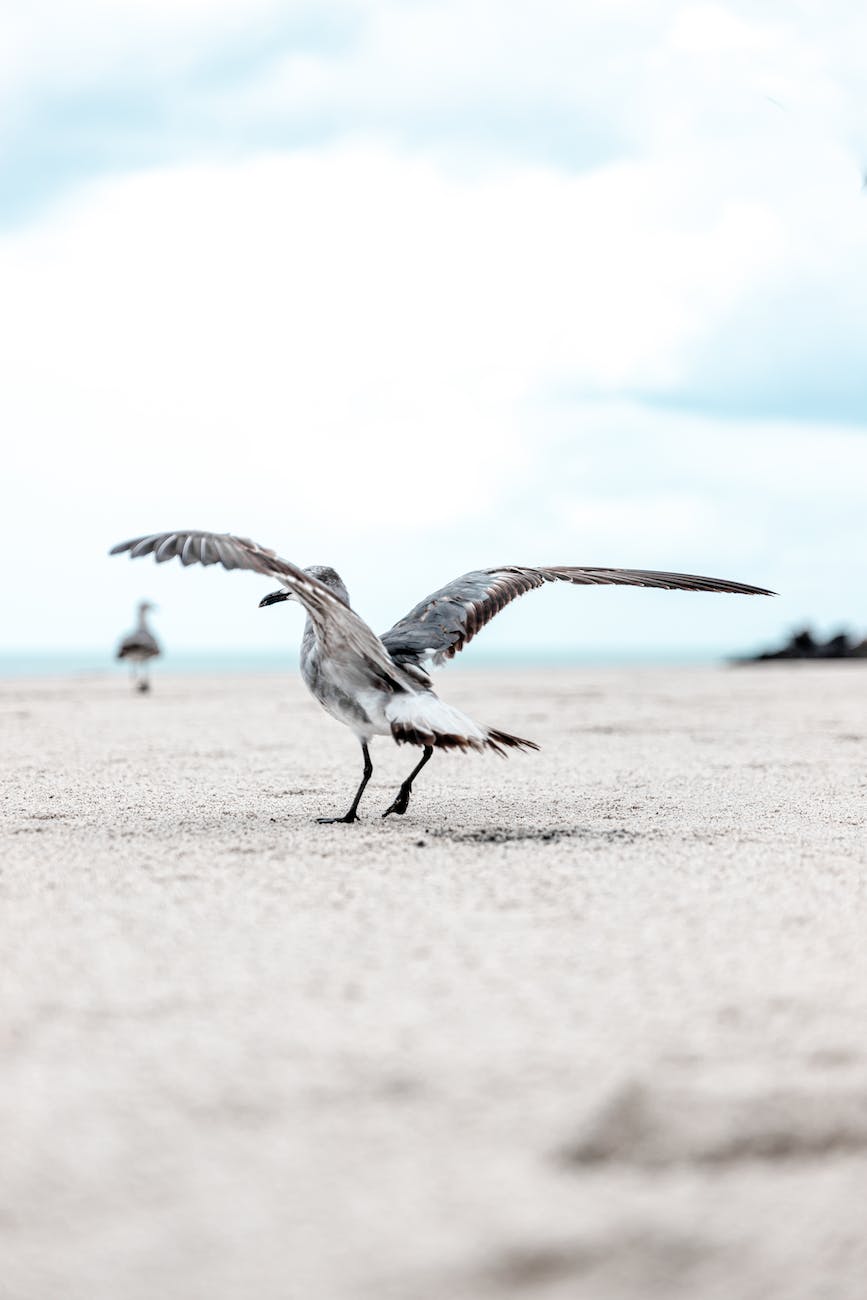
Being playful is something I need to practice. So today, after a stressful week, I decided that nothing bad would happen if I didn’t sweep up the dog hair or clean the gutters, and I took myself to the beach. I read my book. I ate marshmallows and toasted almonds. I swam and waded and people-watched. i watched the clouds and the sea gulls.

Photo by Nick Nu00fau00f1ez on Pexels.com

I have spent so much time over the years doing “the work.” That is, trying to understand and to heal and to grow. I’ve had experiences that seemed like detours or roadblocks, but they were all part of the process, in their own way. But in all that time in my head, thinking and reconsidering and exploring new perspectives, it was easy to overlook the point of being playful. I try to be open to and observant of joy, but I don’t always make opportunities to welcome it, to seek it, grow it. I’ve always had a bit of a Cinderella mentality in that I usually feel like I don’t get to do something enjoyable unless I’ve finished my chores, been productive, done my work. But it is in play, in doing the things we find enjoyable, however silly or small, that we can get in touch with a safe and happy place within ourselves. And when we feel safe and happy, we trust ourselves, we are buoyant, relaxed. There is no anchor of anxiety pulling us down and holding us back, holding us under.

Who would have thought that you would have to practice being playful? Not everyone does, but if you’re learning or re-learning this too, I see you. Have fun! Your very own kind of fun.

Love, Cath

On Weeds and Water and Honeycomb Hearts

By Catherine DiMercurio

When I started this blog, I described it this way: “This is the chronicle of a journey many of us find ourselves on — the search for meaning in all the things that break our hearts and all the things that make them whole again.”

All my life, I’ve had this sense that searching for meaning and purpose was something I needed to do. Something I did do, whether or not I wanted to. It just happened. Just like some brains are intrinsically focused on the mechanics of how things work, mine is and was focused on what things mean. Not just what do they mean for me, but what do they mean cosmically. As in, why is the world this way instead of that way, or what does this particular detail mean within the larger context of the world, the universe.

The grasping toward our understanding of our place in the universe necessarily encompasses a grasping toward an understanding of the universe itself. I am ill-equipped to do this, save for a couple of philosophy courses in college.

Helpfully (?), the world we have built as humans is focused on goals and milestones, so that my perpetual and at times frantic efforts to understand the cosmos were redirected toward practical things like education, marriage, parenthood. I poured my search for larger meaning into finding granular meaning in my choices and pursuits. When I became a mother, though, I felt as though these two separate, higher- and lower-level searches had merged. Everything clicked, in a way. I felt cosmically connected to these two souls, and also, in a very real way, I was responsible for their physical, emotional, mental, and spiritual well-being. Motherhood was rarely easy, and I remember being surprised and disappointed that it didn’t come more naturally to me. I thought I would understand intrinsically how to soothe a crying baby, or make peace with a frustrated toddler, or advise an angsty teen. But the work, as challenging as it was, felt hugely important. I never regarded the children themselves as mine but they were in my care; the work was mine; the honor of raising them was mine.

I was writing too, during these years, and got a novel published when the kids were six and four. I felt like this was it. Life was what it was supposed to be. I was doing it: pursuing a meaningful creative/professional goal and being a good mom and a good wife.

Later, after I became a single mom, the way I parented changed, but what hadn’t changed was that the kids were my number one focus. They were fourteen and twelve at the time of the divorce. There was a lot of parenting left to do. But last summer was the last time the last child lived at home. The day he left, my frantic search for meaning ignited again. It just happened. I knew that I was still needed by and connected to my kids as their mother, but everything was different now. And we all knew it.

I’ve spent the past year trying to better understand who I am now, and who I was, and who I want to be. I’ve tried to fashion that into my purpose. I’ve focused on my writing, I’ve focused on dog training, I’ve focused on learning a new skill/art with my pottery. All of these are good things, and I’ve grown and I will continue to pursue them.

But at the same time, all these things feel more like places to channel my energy but less like the sense of purpose I possessed when mothering was a daily activity.  

I am trying to be patient with myself.

I know that now that the twenty years of nitty gritty parenting are over, I tend to suffuse that time with a certain glow. Still, I haven’t forgotten all the difficult parts: when I felt like a horrible mother and that I was ruining everything for everyone; when I just wanted to leave for a little while because it was too hard and I never got a chance to even finish a thought or have three seconds to breathe alone; days when I was quite certain that one or both of the kids hated me and always would; times when I didn’t know how any of us would ever feel healed and whole again, and the terrifying realization that we could all drown if I could not figure out how to inflate the raft with my exhausted, heart-broken breaths. No one has forgotten how hard it was.

But still, looking back, I see how the sense of deep purpose I always felt—that strange, alchemical comingling of love and purpose, duty and wonder—helped get us through. I say helped because I did not do it alone. I had friends and family I began to learn to lean on. And my kids are stronger and more resilient than I’ll ever be. I’m proud of them and all the work that they’ve done. And I’m proud of myself, and as a person who has struggled with self-confidence and self-trust, that is a huge thing for me to believe, to voice.

And now in this moment, there is a freedom here, and it is taking up a larger space than I expected it to. It isn’t just about time, as in, now I have more time for writing, or for exploring new things. It’s different, multi-dimensional, so unfamiliar and so full of something, power? that I feel uneasy stepping into it. Within, I imagine, is all the me-ness that there wasn’t much time or energy for before.

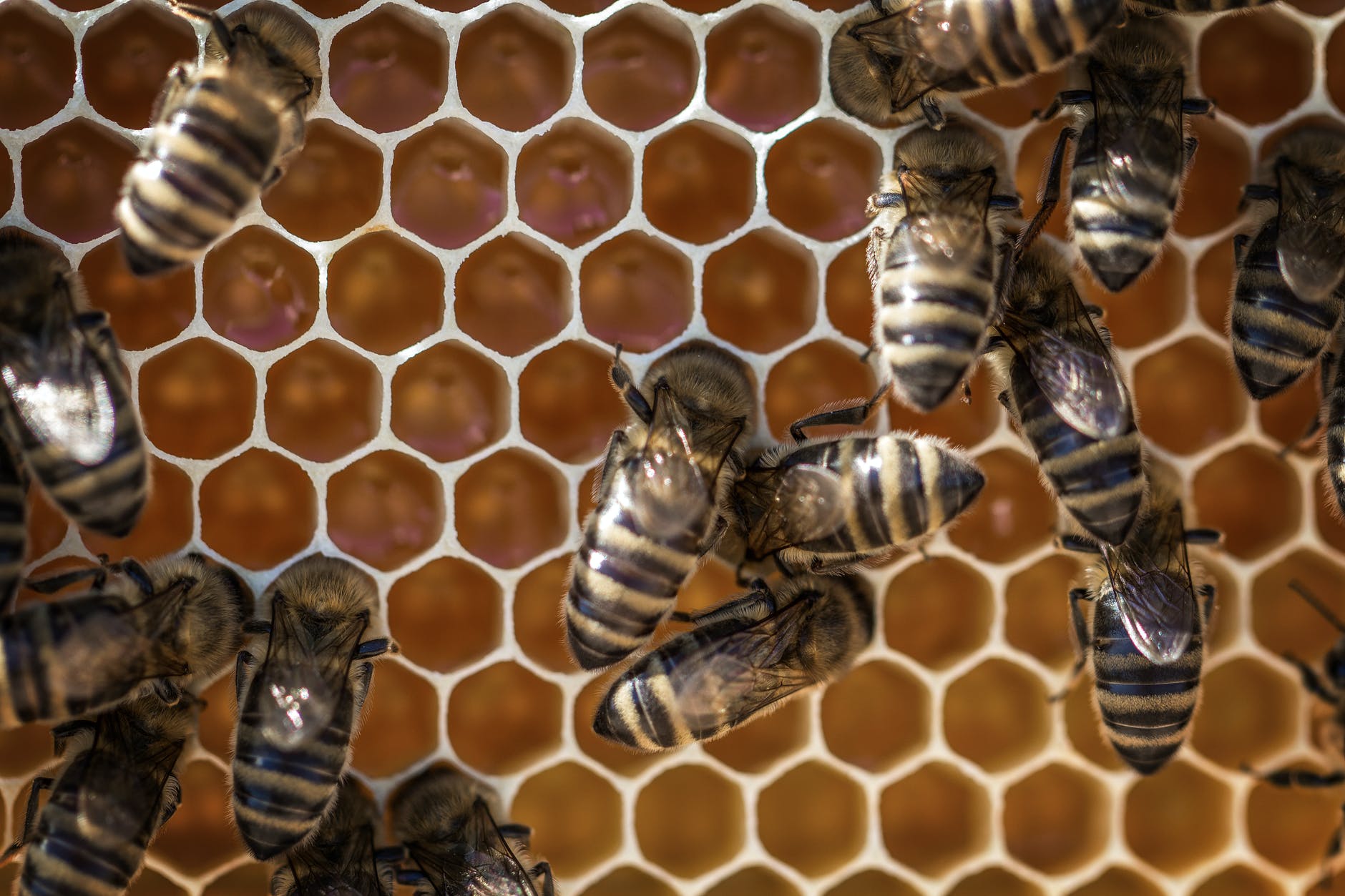
I’ve been trying to think of the best way to describe this new sensation, this freedom that seems to be taking up more space than I thought was available. The way large, leafy weeds don’t just take up the space allowed by the crack in the driveway pavement, they expand the space. But it feels more like my heart is a honeycomb that keeps being added on to by something busy inside me, and the result is I keep recognizing myself in different places. Do you ever have that feeling where you look at a photo of yourself and it doesn’t look like all the other curated images you or someone else has taken? You look at it and think there I am. Or, do you ever that moment, upon arriving at a location where something clicks into place, and you are suddenly relaxed and energized all at once, and you think this. I needed this. For me that photo was the one I took of myself at the pottery studio. And that place is usually by large body of water.

Photo by David Hablu00fctzel on Pexels.com

Lately I’m experiencing all of that, more and more. It feels akin to the existential wandering my soul did when I was a child. I have a very distinct memory (which I’ve written about, here) of trying to understand my self-ness within this existence, as if part of me could comprehend I was something larger and freer than what my current body was containing, and I wanted to have both, the knowledge of who I was in this time and place, and the knowledge of the larger self that was struggling to understand its physical containment in this vessel, this me. It’s like that now. It’s like I’m close to getting it. I am trying to relax and let it all align.

I used to think that maybe I had to let go of one thing—a past version of myself—before I could step into the next iteration. But maybe that’s not the case. Maybe we get closer and closer to being able to hold all the versions of ourselves in place at a time. Maybe we are the honeycombs, and the bees, and the honey all at once.

Love, Cath

On Slow Dancing and Wet Sand

By Catherine DiMercurio

Yes, but are you happy? is a question that we chase each other with. We want it for our loved ones, maybe more than we even want it for ourselves. It certainly means something different for each person. I have long wondered, is the “point” of life to be happy? Is it to have purpose, to make the world a better place? To simply survive it? Is it something else? This of course leads down a philosophical road. Depending on your larger belief systems about how we got here and what happens after, the question of the “point” of it all is going to be answered differently. But certainly happiness is something we all want.

Recently, after a period of feeling quite good for a long stretch, a collection of troublesome things happened and I found myself slipping toward the edges of the dark mental space that it can be hard to climb out of. Is happiness real if it goes away when life gets tough? Why does it feel so ephemeral for some of us, and others seem to find it wherever they go?

I used to think that happiness meant spending time with the people you love, but when the people you love exit your life, or they live far away, or the people are your adult children, building their own separate lives, you realize that if your happiness depends on time spent with anyone but yourself, you’ll never be happy.

So, then, is happiness doing the things you enjoy? Pursuing what you love? This seems obvious. Of course, we are happy when we are doing the things we enjoy, but how do we retain that sense of happiness when we are done doing the thing, when the hike has ended, the garden planted and weeded, the sunset on the beach viewed? How do we retain it when we are making dentist appointments or paying for expensive car repairs?

I am not saying that I expect or even want to be happy all the time. There are times when other emotions can and should be foremost in our hearts. I’m talking about happiness in terms of a calm, centered peace that we can hang on to when life gets bumpy, that we can find the path back to once we’ve dealt with some of the more serious things that life throws at us.

If happiness is that peaceful, centered state, is it accurate to say it is a reprieve from anxiety/fear/doubt? And how do we cultivate that? How does anyone, if daily there are battles with physical or mental health, or with financial woes, or any number of things that rattle the calm, that busy us and keep us buzzing and unable to be still and settled?

And some days, sadness feels like thick wet sand, cold, gritty, clinging.

I’m trying to learn how to process heavy emotions. To slow dance with them and listen to what they are trying to tell me.

Photo by Mathias Reding on Pexels.com

The trick is to know when to stop. My old habit when I’m feeling that deep down tug of sadness like there’s an anchor inside, is to sink, stay with it, fall into myself. Here in the dark, I can see that the enemy of happiness is not exactly sorrow, but fear of future sorrow. It is the thought that maybe everything won’t be okay after all.

I think of how future-focused I’ve always been. Not in a sensible way like retirement planning. But, I’ve always had the same question thrumming through me, for as long as I can remember: “But everything is going to be okay, right?” I suppose it is time I start asking myself what I meant by “everything” and “okay.”

This blog has been largely about my path forward since my divorce, the ups and downs of it all, single parenting, relationships. And since ups and downs are universal, I hoped that by writing about mine, you could think about yours, and we could connect that way, cultivate contemplation, and in so doing, co-create a more deliberate way of moving through this world and coping with its challenges and celebrating its joys. Help each other to feel less alone, which is certainly another kind of happiness.  And I have written here about the aftermath of marriage but I rarely talk about my marriage itself. I can tell you this: when I was married, whenever I asked that question to myself, “is everything going to be okay?”, I knew the answer. I knew everything would be okay because I was with the person I wanted to spend my life with.

Before I was divorced, I didn’t think too much about what it meant for people. It was something that happened to other people. So, when it happened to me, and in all the ways it happened—and it happens differently for everyone—one of the biggest inversions to my world view and sense of self was this idea that the future as I had imagined it was erased. And somehow, I felt erased, too. Everything would not be okay, at least, not in the ways I had imagined and hoped.

This past year, since my most recent breakup, I have realized that this part of my journey is trying to get that “everything’s going to be okay” feeling on my own. To take time to slow dance with that. Feeling like everything is going to be okay means that you have an absence of fear about future sorrow, or, more accurately, you have confidence that you will handle the future sorrow and make everything okay, in time. One of the things I’m trying to remember is that no matter how badly I want to figure out if future-me is going to be okay, there are things I can’t know, can’t predict. And the only way that future version of myself is going to be okay with whatever life throws at her is if I figure out how to be okay now. Because if I can do it now, then I can do it then. And what I fail to do so regularly is to realize that I have done it. I am doing it.

Sometimes I feel like the world gets meaner every day and I’m no match for it. Just me and my hokey dreams trying to feel like I’ve got things figured out enough to feel “okay.” But the more we talk about these things, the more we can help each other find paths to “okay” and “happy.” Maybe we can slow dance with the light emotions too, not just the heavy ones, slow dance with joy, slow dance with each other, feel the cool comfort of wet sand instead of a dark pull. And maybe we can create a ripple effect and gradually wash away some of the meanness and be a match for this cruel world together.

Love, Cath

On Elemental Lessons, Love, and Good-Messy

By Catherine DiMercurio

Sometimes the most basic lessons are the hardest to learn.

Sometimes I think the best in the shower. In my soul, I’m a water person, though this body can’t swim very well. But whenever I’m around water, I’m calmer. Recently, in the shower, it occurred to me that it is almost the one-year anniversary of the ending of a relationship. It was a relationship that was hard to let go of, in spite of the fact that it needed to end, and I got to thinking that I seem to have more anniversaries of things that ended than things that began. Not long ago, that thought would have sunk me, at least for a few days. I would have ruminated, and found ways to feel increasingly worse about myself. But standing there in the water, after a year of becoming more in tune with myself, my next thought was this (and yes, I do address myself in the second person sometimes): Wait. Are you really saying that you think you have more to mourn than to celebrate?

My immediate answer to myself was no, but part of me still wanted to tally, to dig into hurt and remember it. We get used to making ourselves feel terrible sometimes. For a lot of reasons. But I have spent the last year looking at those reasons, my past, my deeper past, and learning. And in this moment, I understood that it is natural for me to have a lot of emotions around this time of year about the ending of that relationship, and that having those feelings did not have to translate into a trip down the rabbit hole. That’s progress.

Some of that progress can be attributed to the pottery studio. I feel as though I’ve been on an incredible journey when I think of the first several classes back in January. I pushed myself way out of my comfort zone, not only in trying something new, but in hauling myself out of my cozy house in deep dark winter for a 7 to 10 p.m. class with strangers. I am definitely a morning person, so I knew one of my obstacles was going to be my own fatigue at this point in the day. Optimal learning and creative time for me happens much earlier in the day. And there were a lot of other obstacles, one being that physically, I am not very coordinated, and hand-eye coordination is pretty important when you are wheel-throwing.

I was not prepared for how challenging the experience would be, for how frustrated I would feel. I have no poker face, and even when I’m trying to have a neutral outward demeanor, it is plain for the world to see when I am struggling. Though the class was different from any that I’d ever taken, my brain slipped into student-mode where the usual process was: work hard, study, succeed. In the past, doing well in school meant that the people around me were happy (teachers, parents), and it allowed me the opportunity to excel at something, since it wasn’t going to be in the realm of sports, or anything social.

But, I struggled. Class after class, I felt clumsy and awkward and self-conscious. I had almost no control over what the clay was doing and trying to understand the relationship between the movement of the wheel and how my hands were interacting with the clay seemed like a mystery that I couldn’t unravel. There were too many factors—the wheel speed, the moisture level of the clay, the pressure, placement, and movement of each and every finger on both hands, my posture. I was certain the other new people were already better than me. I thought about quitting. A lot. I even bought a cheap-ish pottery wheel so I could practice at home. It is easier to fail without anyone watching. I wanted only to get a little better between classes so when I sat down in the studio it would be evident that I was making progress. I wanted so badly to be perceived as someone who worked hard, and if my work did not show evidence of that, how would anyone know?

And I did make progress, in my own epically slow way. But I was doing so out of some sort of ancient ache to prove myself, to insist on some kind of worthiness I wanted others to recognize in me even when I routinely overlooked it in myself. Part of my pottery journey has been to trace this powerful need, which has shaped (malformed) so many relationships, back to its roots. This work is not done, as the work of truly understanding ourselves and making peace with it all never is.

Even though I felt like I wasn’t progressing fast enough, my instructor was so good at underscoring how difficult it is to learn any new art form. I remember getting frustrated at the wheel, trying to accomplish something that wasn’t working out. I had a poorly centered lump of clay in front of me that I’d been able to open up enough to begin to pull up the walls. She was standing near, talking me through it, and I said something like, “I just can’t. . . .” I was unable to finish the sentence, because I felt like none of it was working. I couldn’t do any of it. And she replied, “And it’s what? Your third class?” She taught me to embrace wherever it was that I was in this journey. If something turned out wonky, and I could get it off the wheel, I could still practice trimming and glazing. It was all part of the process.

Photo by Regiane Tosatti on Pexels.com

That was kind of a turning point for me. After that, some fresh ideas began to make themselves known in my brain. Couldn’t I just learn and play and grow? Trying to force progress wasn’t working. And feeling tense internally was something that found its way into the clay. Everything was going to happen on my own timeline. And there was no grade. There was no metric by which to measure failure or success, only those that I imposed upon myself. Doors and windows flew open inside me. Soon, I began to feel energized and creative and good-messy, and suddenly, when I thought of all there was to learn, I saw the future blossoming in front of me, whereas only weeks before, when I thought of how much I didn’t know, I’d felt overwhelmed.

The whole experience thus far has reshaped the way I look at myself. It is shocking to me that learning how to throw and work with clay is revealing so much that has nothing to do with clay. I think because I was already doing some of this work, the experience simply shoved open doors whose locks I’d spent some time jimmying open.

To some friends and family, I’ve tentatively equated my evolving feelings about pottery to falling in love. I say tentatively because it seems a strange thing to admit. But what I’m beginning to comprehend is that what is happening is that I’m falling in love with myself. Sometimes it takes us so, so long to learn elemental lessons. And sometimes it takes the elements—earth, water, air, fire—to teach us.

Love, Cath

On Safe Spaces and Swimming

By Catherine DiMercurio

Sometimes we undervalue the gift of safe spaces.

Sometimes I think the only thing I did right as a single parent was to offer a safe space for my kids to raise themselves. That is, of course, an exaggeration on a couple of levels. But it speaks to what I told my eldest upon their graduation from college this past weekend. Kids have good instincts, and they seek and need agency. Sometimes trusting our children and getting out of their way is the only way. Obviously it isn’t always the answer. But in they years after my divorce, a lot of things happened to me, and one of them was that anxiety created a sense of hypervigilance. It led me to think about emotional safety a lot, especially about how to provide it to my kids during a difficult transition to our new family structure. With my child’s recent graduation from college, I witnessed, reflected on, and admired who they are and how they have grown and become more and more themselves over these last few years. I hope, at the very least, that I played a role in helping them feel safe and loved and cared for along their journey.

As parents, we work toward where I find myself now—being ancillary in our children’s lives. On a day-to-day basis, our presence is not needed for our older children to function and flourish in the world. It isn’t that they don’t turn to us, and it isn’t that they don’t feel emotionally connected to us, but their lives are their own. When problems arise, they may or may not ask us for advice, they may or may not even tell us there is a problem. They are simply living and handling things. This self-sufficiency is what we have striven for as parents. I’ve always had a sense since my children were very little that everything I did was in preparation for them to leave me. Yet, living on this side of it is a strange and emotional time.

When your child graduates from college it is inevitable that you reflect on your parenting. It is impossible to not recall the first day of preschool and kindergarten, all the ups and downs of middle school and high school. The day you helped them get the dorm room set up is etched on your heart, the way you drove away and left them there, thinking, as you did when you dropped them off at preschool, is this right? This is what people do? We walk away now?

For divorced families, when you think about your child’s upbringing, there is a Before and After. Inevitably you will wonder if you got things right, on either side of that line. Each situation is different. For me, as a single parent I felt as though I was constantly trying to figure out how to make what had been fractured feel whole and safe and enough again.

It occurs to me that after years trying to make my children’s lives feel that way, I am now trying to make my own life feel that way. Whole and safe and enough. With each milestone the kids achieve, with each further step they take into their own lives and futures, I am left with increasingly stark reminders of what I need to do for myself.

My own childhood was populated with a crowd of siblings and two parents who are still together. College was full of roommates, boyfriends. Not long after, I was married and soon after, having children. After the divorce I tried soothing the loneliness of single parenting with relationships that ultimately could not be parlayed into something long-term. Each time something ended, as hard as it was, as disappointing as it was that it didn’t “work out” the way I had hoped, parenting, in many ways, was easier. Flying solo, I was able to try and tune in more effectively to what my kids needed.

But now, I have the time and space to focus wholeheartedly on myself. Yet I have had very little practice trying to figure out how to make that whole and safe and enough scenario happen by myself and for myself.

I’m getting closer, but I’m still not there. And I wonder, too, are we ever truly there? I haven’t even been able to articulate it as a goal until recently. Since I’m always thinking about the future, worrying about it, I imagine scenarios. If I decide I’m okay, if I’m whole and safe and enough on my own, does that mean I’m closing the door on a future with someone? Or is that mindset what actually opens the door to the “right” relationship? I’m thankful to friends who help me consider these ideas, who remind me to spend some time in right now instead of always trying to fill in the blanks ahead.

Sometimes I mentally catalogue when I felt the most whole and safe and enough so I can try and recreate it. There was usually someone by my side. Can I not remember feeling that way when I was alone, or did it never happen? It is easier to remember the times I did not feel that way, far easier to remember the events that left me feeling fractured and unsafe and inadequate. I have spent a long time trying to stop feeling hobbled by heartbreaks. This is precisely what this time is for, this time I have to myself right now. It is a time not only to heal from all the past hurts but a time to reassess how I look at myself.

When was the last time you looked at yourself in a way that freed you from context? How do we see ourselves when we remove all the filters of what we do, who we’re related to, who we live with, who and what we’ve lost?

Photo by Ellie Burgin on Pexels.com

Of course those things are all huge parts of who we are but there’s a self in there who is the one doing all the adapting to all the things that happen to us. I wrote a poem once, called “Minnows.” It opens like this:

Do we learn to love

The way fish learn to swim

Or the way we learn to fish?

There are things we begin to teach ourselves out of instinct, about how to know and love ourselves. These ideas are soon enhanced and/or undercut by other external lessons. Sometimes I think the more we know of the world, the less we know of ourselves.

Sometimes, we are in relationships that are collaborative and supportive and allow us the space and care to help us to know ourselves better. These might be romantic relationships, familial ones, or friendships. And sometimes, we are in relationships that take us further and further away from ourselves. Usually when we’re in them we are not thinking about them in such terms but when we’re out, it all becomes clearer. And of course, some relationships morph from the former to the latter, and it’s hard to tell what’s happening. I wish I’d understood the importance of this distinction sooner. But I’m learning. The more I learn about myself, the more I understand how hollowing it is to be in relationships where I am becoming less of who I am instead of more. It is this knowledge that soothes loneliness when it strikes: at least that isn’t happening.

I often think of this chapter as a rebuilding one, as if I’m putting myself back together, reconstructing, improving. But maybe it is one more characterized by paring down, unwinding, unlearning. Maybe it is just remembering how to be a sleek little minnow learning how to swim.

Love, Cath

On Spinning, Wobbling, and Stillness

By Catherine DiMercurio

For a long time, I was sleeping okay, and then that little fragile peace in me eroded. Though the far-too-early-morning wakefulness startled me with the way it insisted on itself night after night, I am not surprised. Too many things have churned together to create a new storm of worry that percolates at the edges of my consciousness even when I’m not actively focused on it.

On a macro level, the world is perpetually upside down. Though it seems the pandemic is abating somewhat, we are on the edge of our seat waiting to see if it is true, if there won’t be some new variant, if this will be a collective dream we get to wake from. Added to this hazy fog of uncertainty we have the war in Ukraine, the stunning, unprovoked invasion by Russia that has shocked the world. Though we are un-shocked at the same time; we have been watching Putin’s machinations all along and in a way, there is nothing surprising at all about his actions. We stare at the images of people fleeing their homes or taking up arms, of children and pets huddled in subways, and our problems seem small. Then we turn off the news and remember that we are still trying to cope with our own troubles and though the scope of them is not as dire, everyone has either a small collection of large troubles, or a large collection of small ones, and we are tired. Our feelings and experiences don’t cease to exist when placed within the context of global tragedies. I am learning this. We do not need to obligate ourselves to feel guilty about our own griefs and troubles because someone else is dealing with something bigger. Acknowledging our own pain and struggles does not exclude us from feeling grateful for all that we have, or from feeling compassion and empathy for others. These things can all exist together.

At 4 a.m., my own collection of troubles doubles in size and intensity, because that is 4 a.m.’s particular magic—expanding, elongating, and distorting trouble. It doesn’t matter that I can unpack this suitcase. That I can name each thing that is suddenly on my mind and concerning me. That I can recognize that none of the worries should be overgrown and hungry right now. Things gnaw at us anyway.

I spent several nights sleeping in the guest room after my daughter vacated it following a brief but lovely visit. For one night, both son and daughter were under my roof with me, and there was a powerful sense of safety and familiarity, despite the foreignness that still clings to this new house. Now that they are both in back at school, something in me shifts. I scramble for a metaphor, as if being able to visualize myself moving from one way of being to another will ease the transition. I think of a spinning top wobbling toward stillness. Wobbly. Still. Is that how it feels to return to solitude? I am more familiar with my mother-self than my solitary-self, so the shift from one to the other still feels clumsy.

Photo by Anthony on Pexels.com

Yet, have I ever not felt clumsy? And all transitions feel awkward, don’t they?

The past eight months have been a long transition for me, following the ending of a relationship. After break-ups in the past, I have thought of myself as being in-between relationships. I had a sense that I would find someone else, and I would know when the time is right to do so. Since the last one though, my frame of mind has been different. As I have worked to understand where I have come from, how past relationships have impacted me, and what self that has remained, the certainty that a new relationship is on the horizon has evaporated, while my comfort level with that uncertainty is growing.

I wonder if this is the part where I start to feel less clumsy in my own skin. That is tough to imagine: a me who moves through the world confidently. I think of all the experiences throughout my life that have bricked into place my sense of anxiety and my awkwardness, knowing the way each incident was built on those that came before. As a view of ourselves begins to take shape when we are young, we begin to believe in it. We believe in our perception of the way others see us. And because we are young and do not know that what these beliefs are creating is a construct that can be dismantled, the construct becomes our identity. It shapes us, and our relationships, and when we finally begin to see it for what it is, the façade is so intricate and finely formed it is hard to see it as anything separate from us.

I have always placed a high value on knowing myself. And though it is easy to lose oneself in a relationship, it is often in relationship to an intimate other where we can understand aspects of ourselves that remain elusive when we are alone. We learn about ourselves in those small moments where we compare ourselves with our partners. Preferences and needs rise to the surface. We consider what matters and what does not. On our own, we must find other methods. The work is uncomfortable at times as we excavate, uncover our identities through a slow, sifting process.

Sometimes I tell myself this work will make me a better partner one day, but I realize I am no longer doing it in order to make myself better for someone else. I believed for so long that this is what I needed to do, that this was why things in the past haven’t worked out: because there was something in me that I needed to make better in order for someone to love me. And if by some miracle they loved me even before I was better, then I should consider myself lucky to be loved when I still had so much work to do. It has not been easy, dismantling these damaged notions of self-worth and value. We all have these experiences, incidents that trigger feelings of not being enough. For me, it has been helpful to trace this feeling to its roots, to feel the collection of griefs I learned to bury along the way, to understand finally, so that I do not have to continue to re-create this pattern. It has been a clunky and awkward process but one that has allowed new perspectives to blossom.

This work feels important to me, and I have discovered that I feel a sense of peace and purpose in pursuing a certain harmony within myself. It has the power to leave me feeling at home whether I am spinning or still. I think one of the healthiest things we can do for ourselves is cultivate the self-awareness that allows us tune in to what leaves us feeling at home within ourselves.

Love, Cath

On Poison and Purpose

By Catherine DiMercurio

The notion of “supposed to” is a bit of a poison in our lives, but we seem to crave it like coffee. We say, “it wasn’t supposed to happen this way” and “what am I supposed to do with my life, what is my purpose” and “by this age I was supposed to have done that” or we ask, “is this how it’s supposed to be?”

We create these ideas for ourselves, and our world creates them for us, and we live with them, shackled to us, letting them morph us. I think of the way the wedding band I never took off (until I did) changed the shape of my ring finger. Our lives grow around the trellises of our expectations. We create structures and shape ourselves to them. This isn’t a bad thing—these are situations, goals, dreams, that we welcomed, loved—but when the structure is removed, here we are with altered shapes and no support, uncertain about which directions we should grow/go.

And without the support, we overlay the supposed to and the should have language, because it is easier to feel badly about a past that didn’t turn into the future we wanted than it is to be so very brave about swimming in this vast ocean of the unknown by ourselves. It is so easy to feel like we are drowning.

Photo by Matt Hardy on Pexels.com

I wake up on most days and wonder, “am I doing this right?” I think of everything I once wanted for myself and imagine the ways I can reshape it into something else. I think of all the things that are possible and all the things that are probable and wonder which dream I should throw my weight behind.

I won’t lie. I do think about how many things would be easier with a supportive partner. And then I think of how many things would be more challenging, and then I get confused about what to even hope for. So many of my friends are married/partnered/remarried/repartnered, that it is difficult to discuss such things. Not that they don’t understand. But it’s just . . . different.

When you don’t get much solitude, the tiny amounts you scrape together for yourself are cherished. What I am trying to do every day, as I have done since late August when my son moved out, two months after my last relationship ended, is to cherish this solitude as much as I would have in the old days, when I rarely had any. I’m trying to ignore the feast-or-famine thinking, the idea that before I never had any, and now I have too much.

I wish I would have tried this more in the past, to realize that what I had on any given day was just the right amount. Again, this doesn’t mean we don’t try to move toward what we want. If we are constantly taking care of other people’s needs and craving peace and quiet and space to think, we do need to fight for time to ourselves. If we long for a break in the quiet, and we are exhausted by only bumping up against ourselves, then we need to remind ourselves to reach out to the people in our lives.

But, in my daily push and pull of do I want this or do I want that, and if it’s that, then how do I get it, and if it’s this, then how do I round it out, make it everything I need, I can pause. I can tell myself that though I’m still figuring it all out, today, what I have and don’t have today, is okay. I have my worries, like everyone does. But today, I’m not in any kind of jeopardy. Though I’ve lived through times in my life where every day I woke up to a fresh iteration of an ongoing crisis, I am blissfully not in that place now. And if I can let go of all the supposed to and should have/should be thinking, I wonder what would happen. I wonder if this is what it means to get out of our own way.

Think about all the times you looked back on an earlier period in your life and said, “I wish I knew.” I wish I knew how much I’d miss that time, I wish I’d realized this or that. Maybe now, too, is one of those times. I don’t want to look back on this period of solitude and growth and discovery as anything less than it is, just because I’ve also felt lonely or confused or overwhelmed.

None of this is to say that if you are in a bad situation, you should find a way to cherish it. There are some things you should NOT try and make the best of, because it’s killing you. I know from personal experience that we stay in things that are unhealthy and damaging for much longer than other people think we should because we can’t find our way out, and that we do so until we simply can’t anymore.

At my lowest point in my life, I felt like I was being erased. The situation I was in was poison, and I remember standing in my garden in late April, an overgrown and soggy patch of ground that needed to be weeded and prepped for planting, and I had dirt on my hands. I stood up and thought, I don’t have to keep drinking the poison. I won’t say that everything changed after that because it took a long, long time for things to truly shift but that was my first step away from something that was destroying me and toward myself.

We remember such moments so clearly; they are etched and inked upon our souls. But so much of life filters through us with so much less awareness. I think this is how we are always amazed when we have those moments of realization about how much time has passed. We wonder, how it is already the end of February, or how did we through the last several years, or how can our little ones be graduating from college, or going off to kindergarten, and on and on. And even when we try to hold on to moments, or days, or years, they slip away from our memory like water washing over a river rock.

Maybe it’s because I’m now in my 50s that I don’t want so much to slip away so easily. I want to remember every breath, even the “boring” ones. I want to look back at this past winter, and instead of admonishing myself and saying things like, you shouldn’t have watched so much tv, I will say how wonderful that you had time to rest and regroup. The end of my relationship in June of 2021 hit me hard, and though I’m surprised at how much time I have needed to think about things and feel the hurt and wonder all the things you wonder when something ends, I love that for once, I was able to give myself the time to tend wounds, and to sort them out, to realize that some are fresh and some are far older than I thought. I have had time to simply sit and think through things, quietly, alone, in a way that I never have before. I will remember all this, when I look back, and I will remember cozy evenings with cocoa and my dogs and, yes, tv, but also books and phone calls with friends, and writing, and starting my pottery class.

What scares me sometimes is that there won’t be a next to look back from. I wonder, what if this is all there is? But then I remember, that’s not how it works, and that’s not how I am. If this situation starts to feel like a bad situation that I need to get out of, I will do it, just as I’ve done in the past, and I will know when it is time. I will know. And I will believe myself. I am learning to trust myself, and my judgement, though this is one of the hardest lessons to learn.

This morning, my anxious puppy stood in the back of the yard, barking back at another dog who was barking at him. I watched him, the way he kept turning to look toward the house, toward me, like he always does in these situations. My sense is that he is feeling uncertain, and in that uncertainty there is possible danger, so he’s out there standing his ground, not sure if he will need to protect himself or his territory. I always call to him when this happens. I want him to know he’s not alone, and he doesn’t have to handle everything; it’s fine, he’s safe. But typically, he still stands there barking, and I need to lure him with treats or the promise of a game. Hey, Zero! Where’s your pineapple?! He will rush in for that, find the pineapple toy, and wait for me to chase him. But today, when I called for him, he just turned away from the situation that was agitating him, and ran to me, without the promise of a treat or a game, just to me, as if he finally was trusting his safety to me.

I tell you this because I’m finally getting there, too, I think. Being able to trust my safety to me.

I’ll leave you with a tiny little poem I wrote recently:

just for today

let us sing for the little things

let us allow a tender moment to be the whole world

let it change us.

Love, Cath