On Mapping, Risk Management, and Clues

By Catherine DiMercurio

Not everyone prioritizes a sense of safety. Some folks are natural risk takers and enjoy adrenaline rushes, and for other people, that rush causes not a pleasurable feeling, but a host of uncomfortable after effects. Everyone is wired differently. Still, most people want to feel emotionally safe and physically safe within their homes and neighborhoods. I suspect that even the natural risk takers prefer to seek out their adventures rather than be surprised by them on a morning walk.

I’m not a natural risk taker, and I’m okay with that. I can be cajoled, either by myself or others, to try new things, because I do value the growth that new experiences invite. But there are certain environments where I think it is reasonable to expect safety, and one of them is when walking one’s dog in one’s neighborhood.

It’s hard, then, to not look at the dog attack my dog and I experienced recently as a violation and a setback, for both my dog and for me. We’re both okay. It could have been worse in so many ways. But the problem with that “it could have been worse” thinking is that while it does invite you to be grateful for all that didn’t happen, it does dismiss what did. And in the frightening moments when something terrifying is happening, you don’t yet know how bad it is or will be. It feels life threatening. Lots of thoughts flash through your head, and in my case, I had no idea, in the midst of the attack, if my dog would escape without serious, or even fatal, injuries. We’d walked past a house I usually avoid. The dogs are tied up, but there’s no fence. You can’t see them at first, because there are always a lot of cars in the driveway blocking the view. We didn’t see the one that must have slipped his collar until he was running across the street, headed right for my dog, ignoring my firm shouts of no, and my stance, squared off in front of my dog, all of which have gotten us out of other situations with loose dogs.

When we finally escaped and returned home, I both panicked and collected myself enough to check my dog over for wounds. I thought of the minutes that we both fought, and how loudly I screamed pointlessly for help that didn’t come. I thought of how long we were followed by the other dog, and how I repeatedly had to shout and stomp him away and keep myself in front of my dog, to avoid a continuation of the attack. I thought about how it felt like my legs were shaking so badly I wasn’t sure how I was going to make it home anyway. I thought of the woman who, a block over from where the attack occurred, came out of her house with a broom to help fend of the dog so my dog and I could make our escape without being followed. It could have been worse. We ended up not needing to go to the vet, though in the days that have followed, I’ve continued to examine my dog, peering through his thick double coat, studying the wound I missed initially. There’s a minor, scabbed-over line? gash? that could have either been from the harness or a tooth or a claw, but it looks to be healing and I haven’t noticed any signs of infection. I never saw any blood on that first day, and yet, it is scabbed, reminding me of the way I’d skin my knee after a fall as a child, and how the abraded skin would sort of bead up but never really bleed, and then a thick scab would form.

I worry I’ve let him down by not finding it sooner. I worry I let him down. I worry.

He continues to be active, playful, and is eating and drinking normally. He was like this almost immediately. For a week, we didn’t go for walks.  We’ve started again, the first time back out being with my boyfriend, which provided us with an added sense of security, in addition to the airhorn I brought along.

Still, I find myself recalling other significant moments in life where my sense of safety has felt similarly erased, as if this event calls up a map, revealing neural shortcuts. I’ve realized in recent days that there are a lot of these shortcuts, and the older you get, the more of them there are. The map is intricate. A song can take us back to a key moment in our past, a smell can, an event can. Every day we have more past than we used to have. Some of the memories we travel back to are beautiful, and some are the worst we’ve experienced. So often, it is the painful memories that surface with ease, seemingly un-dulled by time.
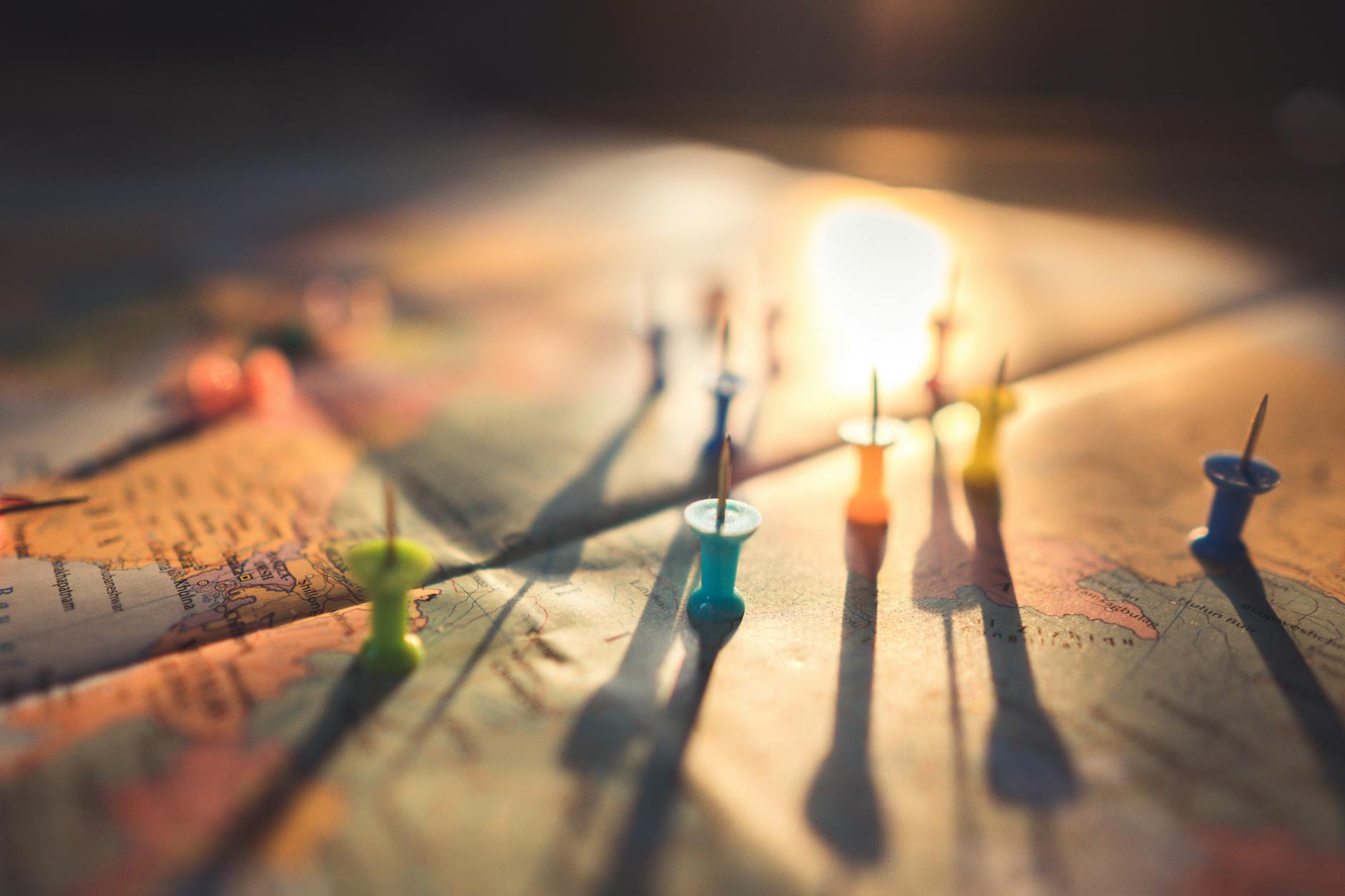
Photo by Aksonsat Uanthoeng on Pexels.com

I remind myself in the aftermath of all this, that it isn’t my job to do everything possible to avoid more pain. It’s to populate that map with so many new, good things that the pathways back to the frightening or wounding memories are crossed over many times with side trails, alternate routes, shortcuts to joyful recollections, to peaceful moments, to delight, to wonder.

Now, though, I’m more fully aware of how wrong a simple dog walk can go. In the past, even though we’ve been approached by loose dogs before, I have felt a false sense of security because the owners have been nearby, or showed up, and things were diffused before they turned ugly. I thought the risk I was managing was more minimal than it is.

At the same time, the usual joy and pleasure of the morning walk is not something I can give up easily. And based on his demeanor the two times we’ve walked since the attack, it isn’t something my dog wants to give up either. We have some work to do. I do think he’s more skittish than usual, and we still need to do things like walk as early as possible so that we can avoid other dog walkers. He was reactive before this, and the attack is definitely not going to help. But, I’m starting a new training plan. I have an air horn. I have pepper spray.

It’s difficult though, to find that sweet spot, where appropriate caution and enjoyment can cohabitate. Where I’m not leaning too hard into risk management, or too hard into peaceful obliviousness. But this is the way with everything. It’s the same in this new relationship I’m in. For the first several months, I felt so self-protective, unwilling to jump all the way into the vulnerability that builds the closeness that I long for. Once you’ve tried to build that over and over with other people and it doesn’t work out, it’s so easy to hesitate, to hold back. Still, things are beginning to change for me, and while I’m not jumping in with wild abandon, I’m wading in, and enjoying the process of slow and deliberate acclimation, and it’s been so wonderful to do that with such a compassionate and loving person by my side. I think he sees my true value because I was finally able to see it (and I see his). All of this encourages the blossoming of trust, which I think of as my body’s and my mind’s own intrinsic from of risk management.

We all have different strategies for getting us through tough times, and sometimes it seems like none of them are particularly effective. I remind myself that the route toward healing is not trying to make myself “feel better.” It’s allowing myself to experience the feelings various events create and trigger. I used to think “working through” things meant thinking my way out of feeling sad or angry or scared. But to a certain extent, I’m starting to understand that being brave enough to not avoid all those heavy feelings is the most direct route toward getting to the other side of them. I often worry that I’m dwelling too much on something, but I believe that sense comes from my habit of trying analyze my feelings instead of simply experiencing them. Maybe it would be better to look at my hyper-focused thought patterns as clues to feelings I need to spend more time with, rather than thoughts that I need to keep rethinking.

I don’t want to feel like I’m prioritizing safety so much so that I’m missing opportunities to experience fun, joy, delight. I want to give my dog a good life, and I want that for myself. As with most things in life, the balance here—between risk management and pleasure-seeking—is hard to achieve. For me, it is important to remember to be patient with myself, and not label my process of bouncing back from a frightening experience as an overcorrection. We were truly in a dangerous situation and the world isn’t telling me to “get back out there,” but a part of me is hearing that anyway.

For now, I’m going to take it slow, and lean into my support system, and populate my map with as many shortcuts to good memories as I can. There’s no right way to do any of this. Safe travels, friends.

Love, Cath
On the Familiar, Change, and Growth

By Catherine DiMercurio

One of the strangest facets of my existence in the past ten years has been the recurring sensation of unfamiliarity, and how dizzying it can be at times.

When I was married, I enjoyed the feeling that I knew my partner better than anyone else in the world, and I felt was as known to him. Toward the end, that changed, and it began to feel as though he was becoming a different person; the reasons are varied and complex and I have never truly understood how much of that I should allow myself to write about candidly. Suffice it to say that after it was over, I felt as though maybe I’d never known him at all.

In the relationships since, each ended before I’d arrived at the familiarity I craved. I also moved at the beginning of the pandemic, and my youngest went off to college, all of which contributed to the sensation that nothing in my life felt familiar to me any longer. Not my home, not my community, not my solitude, not my self. So much of who we are, at any given moment, feels rooted in place and people. When we look at ourselves extracted from those relationships, it can be disorienting, and it takes a while before we can take advantage of the opportunity it offers.

During my relationships, I was so afraid of loss that I had become someone other to myself, someone who allowed herself to be sloughed off, little by little. I found myself in a dangerous pattern of letting go of little pieces of me, the ones that might get in the way of the relationship succeeding. In the hazy aftermath of it all, after the last one ended, I realized that I did not know how to be in a relationship without this happening. The reason, I began to learn, was that I’d drifted too far from the shores of my own sense of identity. I had forgotten—or never knew—that I was the safe harbor I’d been looking for. The pattern of self-abandonment for the sake of the relationship, for the sake of loss mitigation, had become so familiar it provided its own comfort. It felt easy and good to mold myself into the type of person it seemed my partner wanted me to be. But when things got comfortable, when I was comfortable enough to relax and be myself a little more, it was understandably jarring, and I would back pedal. How much of myself do I get to be, and for how long, became the guiding principles of my behavior. Though there are a lot of reasons things didn’t work out with my past relationships, this is the part that I have to own.

I’ve spent the last two years trying to undo that damage. Some of the rage and grief I still feel over the decade’s losses are rooted in this loss of self—and my own role in it. At the same time, I exist alongside a frustration with time. When I imagine potentially building that sense of familiarity with a new partner, I remember that you can’t create twenty years of history with someone you just met. It’s hard to make peace with what feels, at times, like running out of time. One of the balms for this particular type of bruising the heart experiences is trying to nurture those relationships with friends and with family with whom a history does exist.

But here we encounter another wrinkle. People change, all of us do. And we might find that people who once seemed very familiar to us no longer do, and maybe we don’t seem familiar to them either. And change is such a slippery term, right? It rarely looks how you think it will, in ourselves or in others. To put it more baldly: it hurts. Sometimes it simply hurts to watch people you love become someone else. And our own evolution can hurt, too, when we choose to know and honor who we are. Growth is prickly, painful, and nonlinear.

Sometimes growth is prickly and we long for familiar things we can't have.
Photo by Pixabay on Pexels.com

For a long, long time, the idea that guided my writing was informed by a similar exploration of familiarity and change: do we become more or less of who we are as we get older? Are there essential facets of our true nature that get stripped away or clouded over, or are we growing, feeding that true nature so that it blossoms in a thousand beautiful ways? There is much to think about here, but it seems to me that despite whatever we are doing internally to nurture and protect that truest self, there are external forces acting upon it too. There are people who feed our soul, those who seek to crush it, and those whose aims are more difficult to see, who, for whatever reason, see what is beautiful in us and cannibalize it, because it soothes their own wounded soul. And sometimes we can’t even see it happening, because we are busy being our loving and generous selves. But we are mistaken to believe this is anything other than trauma, and there is wisdom and growth in waking to that knowledge and repairing the damage.

So how do we reconcile this need for familiarity with the fact that everything is always changing? For me, it has become a practice of asking myself new questions. Why am I drawn to the familiar in the first place? What am I truly looking for? The answer is usually comfort. Something needs soothing. All the things that had me craving something familiar—the ending of a relationship, having moved to a new house, my kids moving out—left me disorientated and lonely and I wanted to sink into something that felt like being held. But there was nothing to hold me, so instead, I sifted through old familiar things, held them: photos, books, trinkets in jars, stones from beaches gathered on trips I’d taken with my children.

But one of the most amazing things that has happened in these past couple of years is that I’m learning to accurately identify what I’m longing for and how I can soothe that longing. Not everything that feels like loneliness is loneliness. Sometimes, when the hum of routine has me feeling under-stimulated, I’ll seek out art, nature, company. Sometimes there’s too much happening, and all I want is for everything to slow down, so I’ll do something slow, like bake, sit in the sun, read a book. When I’m longing for connection, I’ll reach out to the people who understand. And sometimes I do genuinely feel lonely and I let myself feel it, knowing that it is a price I willingly pay for peace.

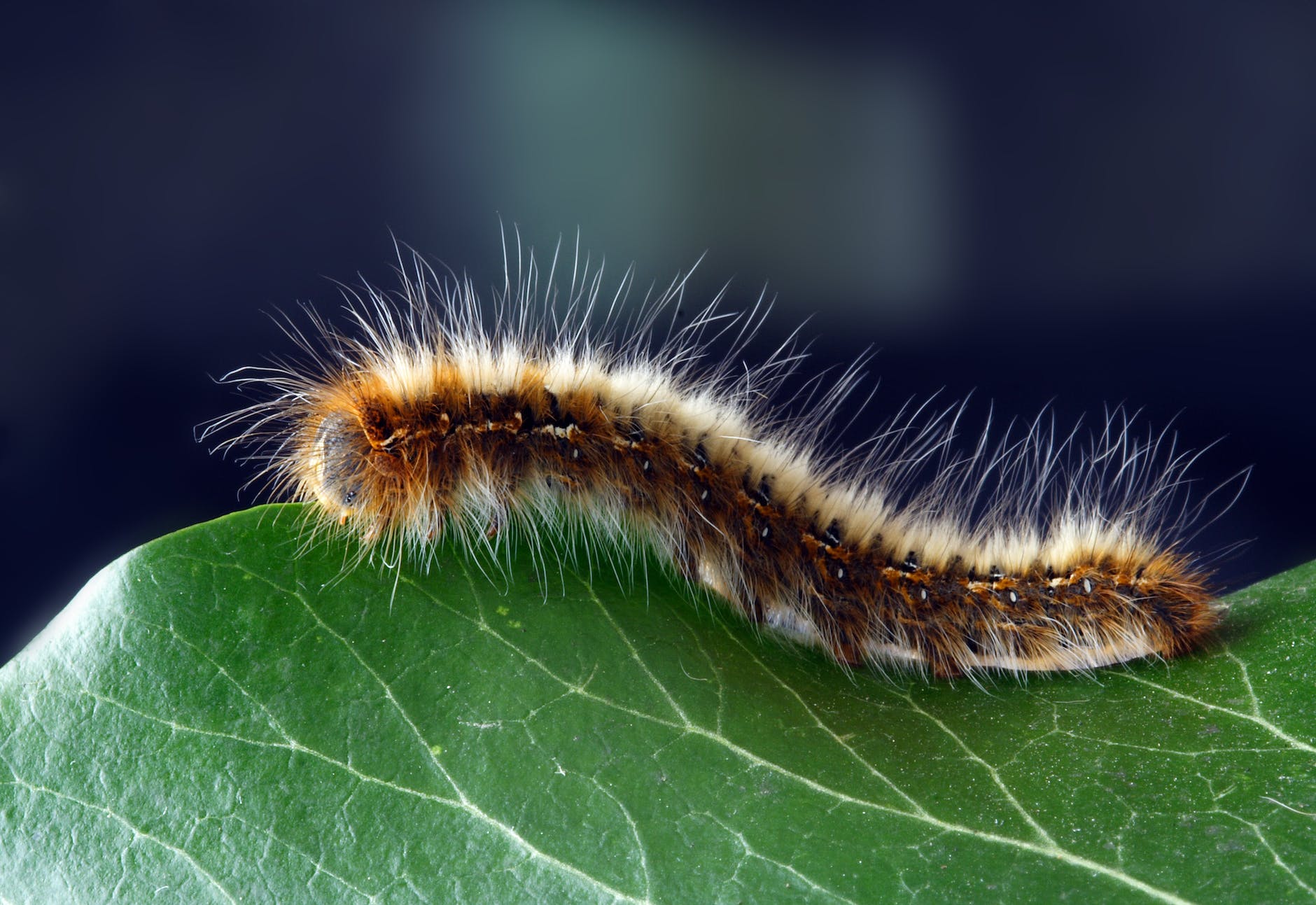
I long to layer all this thinking with some kind of metaphor that captures the feelings I want to convey, but it’s hard because change isn’t always for the better, doesn’t always seem to lead to growth, not when we get stuck in certain patterns. It’s like going through all the trouble of dissolving ourselves in a chrysalis but never becoming a butterfly, when sometimes all we really want to do is be a caterpillar anyway, happily munching on leaves all day. Maybe we do the whole thing over and over again in a lifetime, or maybe we’re always part caterpillar, chrysalis, and butterfly, all at the same time, with different parts of us transforming in different ways. I think though, at the heart of it all, is a truest self, always longing to be seen, to show us the familiar and changing way back to ourselves, lighting the way like a little firefly in the night.

Love, Cath

On Weeds and Water and Honeycomb Hearts

By Catherine DiMercurio

When I started this blog, I described it this way: “This is the chronicle of a journey many of us find ourselves on — the search for meaning in all the things that break our hearts and all the things that make them whole again.”

All my life, I’ve had this sense that searching for meaning and purpose was something I needed to do. Something I did do, whether or not I wanted to. It just happened. Just like some brains are intrinsically focused on the mechanics of how things work, mine is and was focused on what things mean. Not just what do they mean for me, but what do they mean cosmically. As in, why is the world this way instead of that way, or what does this particular detail mean within the larger context of the world, the universe.

The grasping toward our understanding of our place in the universe necessarily encompasses a grasping toward an understanding of the universe itself. I am ill-equipped to do this, save for a couple of philosophy courses in college.

Helpfully (?), the world we have built as humans is focused on goals and milestones, so that my perpetual and at times frantic efforts to understand the cosmos were redirected toward practical things like education, marriage, parenthood. I poured my search for larger meaning into finding granular meaning in my choices and pursuits. When I became a mother, though, I felt as though these two separate, higher- and lower-level searches had merged. Everything clicked, in a way. I felt cosmically connected to these two souls, and also, in a very real way, I was responsible for their physical, emotional, mental, and spiritual well-being. Motherhood was rarely easy, and I remember being surprised and disappointed that it didn’t come more naturally to me. I thought I would understand intrinsically how to soothe a crying baby, or make peace with a frustrated toddler, or advise an angsty teen. But the work, as challenging as it was, felt hugely important. I never regarded the children themselves as mine but they were in my care; the work was mine; the honor of raising them was mine.

I was writing too, during these years, and got a novel published when the kids were six and four. I felt like this was it. Life was what it was supposed to be. I was doing it: pursuing a meaningful creative/professional goal and being a good mom and a good wife.

Later, after I became a single mom, the way I parented changed, but what hadn’t changed was that the kids were my number one focus. They were fourteen and twelve at the time of the divorce. There was a lot of parenting left to do. But last summer was the last time the last child lived at home. The day he left, my frantic search for meaning ignited again. It just happened. I knew that I was still needed by and connected to my kids as their mother, but everything was different now. And we all knew it.

I’ve spent the past year trying to better understand who I am now, and who I was, and who I want to be. I’ve tried to fashion that into my purpose. I’ve focused on my writing, I’ve focused on dog training, I’ve focused on learning a new skill/art with my pottery. All of these are good things, and I’ve grown and I will continue to pursue them.

But at the same time, all these things feel more like places to channel my energy but less like the sense of purpose I possessed when mothering was a daily activity.  

I am trying to be patient with myself.

I know that now that the twenty years of nitty gritty parenting are over, I tend to suffuse that time with a certain glow. Still, I haven’t forgotten all the difficult parts: when I felt like a horrible mother and that I was ruining everything for everyone; when I just wanted to leave for a little while because it was too hard and I never got a chance to even finish a thought or have three seconds to breathe alone; days when I was quite certain that one or both of the kids hated me and always would; times when I didn’t know how any of us would ever feel healed and whole again, and the terrifying realization that we could all drown if I could not figure out how to inflate the raft with my exhausted, heart-broken breaths. No one has forgotten how hard it was.

But still, looking back, I see how the sense of deep purpose I always felt—that strange, alchemical comingling of love and purpose, duty and wonder—helped get us through. I say helped because I did not do it alone. I had friends and family I began to learn to lean on. And my kids are stronger and more resilient than I’ll ever be. I’m proud of them and all the work that they’ve done. And I’m proud of myself, and as a person who has struggled with self-confidence and self-trust, that is a huge thing for me to believe, to voice.

And now in this moment, there is a freedom here, and it is taking up a larger space than I expected it to. It isn’t just about time, as in, now I have more time for writing, or for exploring new things. It’s different, multi-dimensional, so unfamiliar and so full of something, power? that I feel uneasy stepping into it. Within, I imagine, is all the me-ness that there wasn’t much time or energy for before.

I’ve been trying to think of the best way to describe this new sensation, this freedom that seems to be taking up more space than I thought was available. The way large, leafy weeds don’t just take up the space allowed by the crack in the driveway pavement, they expand the space. But it feels more like my heart is a honeycomb that keeps being added on to by something busy inside me, and the result is I keep recognizing myself in different places. Do you ever have that feeling where you look at a photo of yourself and it doesn’t look like all the other curated images you or someone else has taken? You look at it and think there I am. Or, do you ever that moment, upon arriving at a location where something clicks into place, and you are suddenly relaxed and energized all at once, and you think this. I needed this. For me that photo was the one I took of myself at the pottery studio. And that place is usually by large body of water.

Photo by David Hablu00fctzel on Pexels.com

Lately I’m experiencing all of that, more and more. It feels akin to the existential wandering my soul did when I was a child. I have a very distinct memory (which I’ve written about, here) of trying to understand my self-ness within this existence, as if part of me could comprehend I was something larger and freer than what my current body was containing, and I wanted to have both, the knowledge of who I was in this time and place, and the knowledge of the larger self that was struggling to understand its physical containment in this vessel, this me. It’s like that now. It’s like I’m close to getting it. I am trying to relax and let it all align.

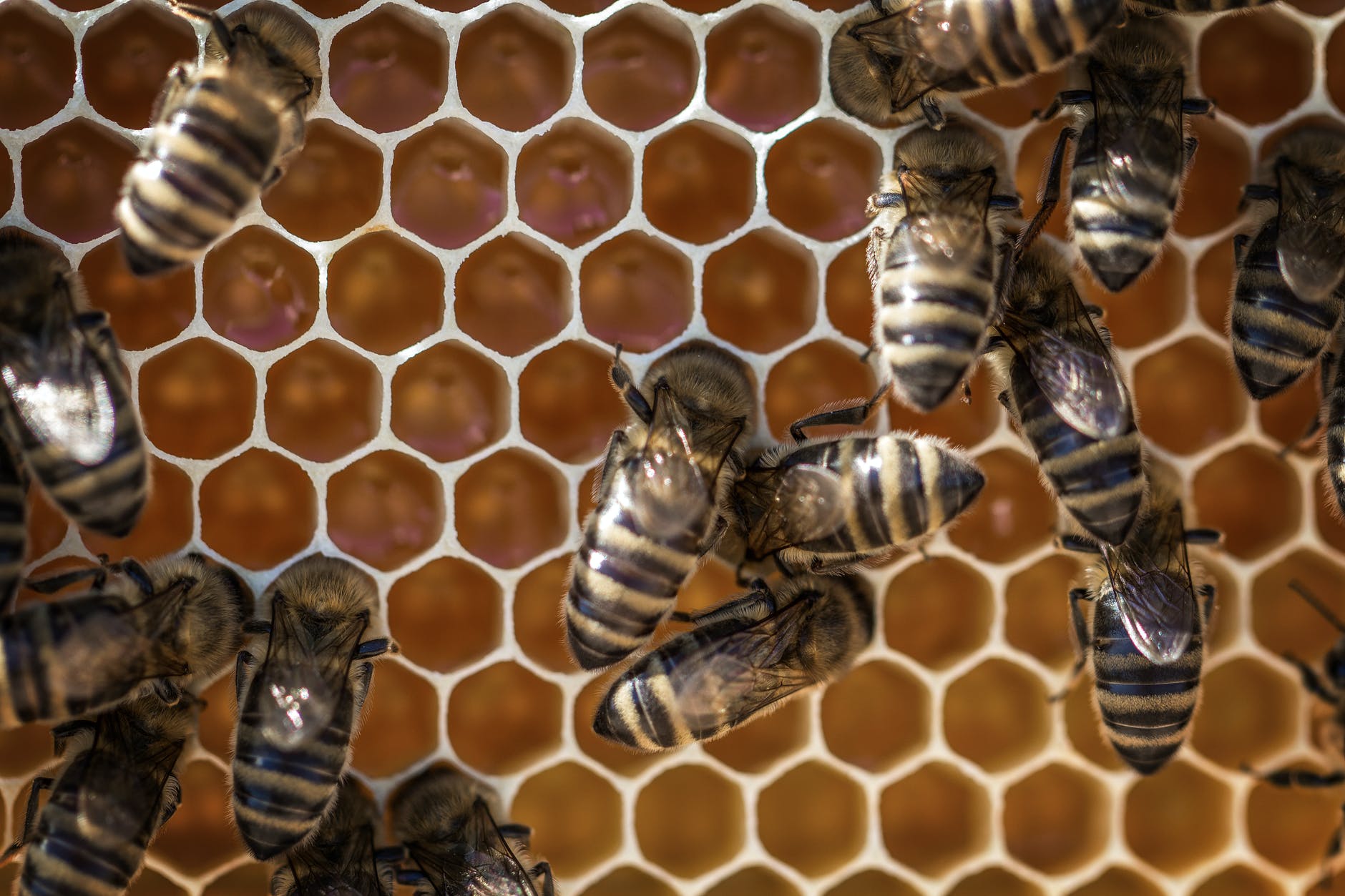
I used to think that maybe I had to let go of one thing—a past version of myself—before I could step into the next iteration. But maybe that’s not the case. Maybe we get closer and closer to being able to hold all the versions of ourselves in place at a time. Maybe we are the honeycombs, and the bees, and the honey all at once.

Love, Cath

On Safe Spaces and Swimming

By Catherine DiMercurio

Sometimes we undervalue the gift of safe spaces.

Sometimes I think the only thing I did right as a single parent was to offer a safe space for my kids to raise themselves. That is, of course, an exaggeration on a couple of levels. But it speaks to what I told my eldest upon their graduation from college this past weekend. Kids have good instincts, and they seek and need agency. Sometimes trusting our children and getting out of their way is the only way. Obviously it isn’t always the answer. But in they years after my divorce, a lot of things happened to me, and one of them was that anxiety created a sense of hypervigilance. It led me to think about emotional safety a lot, especially about how to provide it to my kids during a difficult transition to our new family structure. With my child’s recent graduation from college, I witnessed, reflected on, and admired who they are and how they have grown and become more and more themselves over these last few years. I hope, at the very least, that I played a role in helping them feel safe and loved and cared for along their journey.

As parents, we work toward where I find myself now—being ancillary in our children’s lives. On a day-to-day basis, our presence is not needed for our older children to function and flourish in the world. It isn’t that they don’t turn to us, and it isn’t that they don’t feel emotionally connected to us, but their lives are their own. When problems arise, they may or may not ask us for advice, they may or may not even tell us there is a problem. They are simply living and handling things. This self-sufficiency is what we have striven for as parents. I’ve always had a sense since my children were very little that everything I did was in preparation for them to leave me. Yet, living on this side of it is a strange and emotional time.

When your child graduates from college it is inevitable that you reflect on your parenting. It is impossible to not recall the first day of preschool and kindergarten, all the ups and downs of middle school and high school. The day you helped them get the dorm room set up is etched on your heart, the way you drove away and left them there, thinking, as you did when you dropped them off at preschool, is this right? This is what people do? We walk away now?

For divorced families, when you think about your child’s upbringing, there is a Before and After. Inevitably you will wonder if you got things right, on either side of that line. Each situation is different. For me, as a single parent I felt as though I was constantly trying to figure out how to make what had been fractured feel whole and safe and enough again.

It occurs to me that after years trying to make my children’s lives feel that way, I am now trying to make my own life feel that way. Whole and safe and enough. With each milestone the kids achieve, with each further step they take into their own lives and futures, I am left with increasingly stark reminders of what I need to do for myself.

My own childhood was populated with a crowd of siblings and two parents who are still together. College was full of roommates, boyfriends. Not long after, I was married and soon after, having children. After the divorce I tried soothing the loneliness of single parenting with relationships that ultimately could not be parlayed into something long-term. Each time something ended, as hard as it was, as disappointing as it was that it didn’t “work out” the way I had hoped, parenting, in many ways, was easier. Flying solo, I was able to try and tune in more effectively to what my kids needed.

But now, I have the time and space to focus wholeheartedly on myself. Yet I have had very little practice trying to figure out how to make that whole and safe and enough scenario happen by myself and for myself.

I’m getting closer, but I’m still not there. And I wonder, too, are we ever truly there? I haven’t even been able to articulate it as a goal until recently. Since I’m always thinking about the future, worrying about it, I imagine scenarios. If I decide I’m okay, if I’m whole and safe and enough on my own, does that mean I’m closing the door on a future with someone? Or is that mindset what actually opens the door to the “right” relationship? I’m thankful to friends who help me consider these ideas, who remind me to spend some time in right now instead of always trying to fill in the blanks ahead.

Sometimes I mentally catalogue when I felt the most whole and safe and enough so I can try and recreate it. There was usually someone by my side. Can I not remember feeling that way when I was alone, or did it never happen? It is easier to remember the times I did not feel that way, far easier to remember the events that left me feeling fractured and unsafe and inadequate. I have spent a long time trying to stop feeling hobbled by heartbreaks. This is precisely what this time is for, this time I have to myself right now. It is a time not only to heal from all the past hurts but a time to reassess how I look at myself.

When was the last time you looked at yourself in a way that freed you from context? How do we see ourselves when we remove all the filters of what we do, who we’re related to, who we live with, who and what we’ve lost?

Photo by Ellie Burgin on Pexels.com

Of course those things are all huge parts of who we are but there’s a self in there who is the one doing all the adapting to all the things that happen to us. I wrote a poem once, called “Minnows.” It opens like this:

Do we learn to love

The way fish learn to swim

Or the way we learn to fish?

There are things we begin to teach ourselves out of instinct, about how to know and love ourselves. These ideas are soon enhanced and/or undercut by other external lessons. Sometimes I think the more we know of the world, the less we know of ourselves.

Sometimes, we are in relationships that are collaborative and supportive and allow us the space and care to help us to know ourselves better. These might be romantic relationships, familial ones, or friendships. And sometimes, we are in relationships that take us further and further away from ourselves. Usually when we’re in them we are not thinking about them in such terms but when we’re out, it all becomes clearer. And of course, some relationships morph from the former to the latter, and it’s hard to tell what’s happening. I wish I’d understood the importance of this distinction sooner. But I’m learning. The more I learn about myself, the more I understand how hollowing it is to be in relationships where I am becoming less of who I am instead of more. It is this knowledge that soothes loneliness when it strikes: at least that isn’t happening.

I often think of this chapter as a rebuilding one, as if I’m putting myself back together, reconstructing, improving. But maybe it is one more characterized by paring down, unwinding, unlearning. Maybe it is just remembering how to be a sleek little minnow learning how to swim.

Love, Cath

On Loss and “Lost”

By Catherine DiMercurio

On a recent damp and drizzly hike with my sister, I got us lost. Inconveniently lost, not dangerously lost. We were deep in conversation, and I missed one of the markers that would have helped me know where I was along this path that I’d hiked once before. We backtracked and figured it out. I tried not to let it bother me, this feeling that I should not have let that happen, but it did. It bothered me in a big way at first, as though I’d let us both down, and by the end of the hike, it only bothered me a little, like a small stone in my shoe. Yet for a while, this thinking also spiraled forward to a solo camping trip I’ll be taking in the summer. What if I get lost in unfamiliar woods when I’m hiking alone?

As we walked back to the car, I tried to return my awareness to the current moment. We’d hiked longer than we intended, but we were enjoying one another’s company and were never in any danger. She didn’t care, didn’t judge me. So, I managed to shake it off.

But, it did make me realize how easy it is for a moment of anxiety to amplify itself, reverberating into the past and into the future. How did I let that happen, and what if it happens again? Sometimes we exist in all the moments at once, as if time ceased its habit of being linear. In this instance, the sensation didn’t last long, but depending on the circumstances, we can get lost in these spirals. The experience reminded me of how connected lost and loss are.

Sometimes, the losses we’ve experienced in life unroot themselves from their context. We can’t pinpoint precisely why we are feeling a certain way, but this loss is wandering around inside us, untethered from memory. We feel confused about our sadness, our fuzziness, about the despondency that leaves us inexplicably tired. It as if the loss itself is lost within us.

Have you ever gone looking for your sense of worry when you actually feel fine? You have that sense that something is missing, and you aren’t sure what, so you search for it. Now what was it that I was so worried about? The worry needs a home, so you attach it to a dentist appointment, a financial concern, a work meeting, or larger and less-specific things, like the rest of your life. I think this is what we do when we have a big loss lost within us. There are some things we might never be done grieving, and the loss sometimes shows up as worry and needs to be taken by the hand escorted back to its context, its memories.

Photo by Kat Smith on Pexels.com

The trouble is, then we must confront those memories again. And we don’t want to. Who does? It hurts. Good memories can hurt more than bad memories, too. But when they are calling to us, it is better to give them some time and hug rather than ignore them. Otherwise, they will keep wandering away again and turning up in strange ways. Does all this mean, that despite our efforts to heal, to take time for grief, and go to therapy and journal and talk, and all the things we’ve tried to do to move forward, does it mean that none of it has worked?

Of course not. It means it IS working. Being able to recognize what is happening when feelings take us by surprise, when big anxiety comes at us for little reasons, is a sign that we are evolving. When we can pause and say: Oh, yes, I see. This old pain still hurts sometimes and wants to be felt as now-pain and is showing up in this weird way so it doesn’t get ignored, even though it doesn’t have much to do with the dentist appointment or my future goals or the fact that I accidentally got a little lost in the woods. Sometimes it takes a few days or longer to unpack a response, to look at a recent event and decode why our feelings felt outsized for what was happening.

I am not good at compartmentalizing anymore. I did it a lot when I had to, when I would not have been able to function otherwise. It is difficult now for me to say I shouldn’t feel this way about this situation, so I won’t. I need to know why. I want to understand the connections my brain is automatically making (you are nervous, here is danger, avoid this), so I can intervene and try to rewire (you are nervous, and it is normal to feel that way in this situation, but it reminds you of real danger and that was scary, but you don’t have to avoid this, and it is okay to feel uncomfortable).

Being able to decode and rewire allows growth. It allows the unexpected. It allows me to open doors I have been too tired or too anxious to open, and in doing so, I discover new loves. I have fallen in love with pottery, this mysterious thing I’m learning, this vast muddy sea of things to discover. I have fallen in love with the new novel I am writing, with the process of getting to know new people on the page, their desires, their flaws, their histories.

Sometimes you are ready for a new story, and you didn’t know how much until you start writing it.

I fall hard for moments sometimes too. I fall for the quiet writing hours I cobble together in the dark mornings, listening to the birds wake, to wind and rain, to the dogs snoring away nearby. I am often overcome by how happy this makes me, this simple gift of my favorite part of the day.

I know none of this is the same as falling in love with person, which I hope is still a possibility. But being able to embrace my life and my self and everything that I’m discovering is not a consolation prize, and that has surprised me. It startles me what wholeness can feel like, and sometimes it even scares me in ways that I’m still articulating for myself.

Sometimes I’m intimidated by all there is to learn about myself, where I’ve been and where I’m going and how to get there, and other times I think it is all in the palm of my hand already, or at my fingertips. Many of the realizations I’ve written about here grew out of a scene I was writing in my novel. I guess I must keep learning to trust myself, and when I write those words, I can see that this is the through-line, my wobbly dance with self-trust. Ralph Waldo Emerson wrote, “Trust thyself: every heart vibrates to that iron string.” I remember reading those words in college, sitting at a desk in a classroom with pale green walls, and having an overwhelming sense that this mattered in ways I didn’t fully understand. It seemed unfathomable, as impossible as someone telling me to run a four-minute mile or jump out of a plane, things that other people could do, but I’d never be able to. It is no wonder that the ability to follow that advice has taken me my entire lifetime. But, here we are, trying. It’s all we can do.

Love, Cath

On Poison and Purpose

By Catherine DiMercurio

The notion of “supposed to” is a bit of a poison in our lives, but we seem to crave it like coffee. We say, “it wasn’t supposed to happen this way” and “what am I supposed to do with my life, what is my purpose” and “by this age I was supposed to have done that” or we ask, “is this how it’s supposed to be?”

We create these ideas for ourselves, and our world creates them for us, and we live with them, shackled to us, letting them morph us. I think of the way the wedding band I never took off (until I did) changed the shape of my ring finger. Our lives grow around the trellises of our expectations. We create structures and shape ourselves to them. This isn’t a bad thing—these are situations, goals, dreams, that we welcomed, loved—but when the structure is removed, here we are with altered shapes and no support, uncertain about which directions we should grow/go.

And without the support, we overlay the supposed to and the should have language, because it is easier to feel badly about a past that didn’t turn into the future we wanted than it is to be so very brave about swimming in this vast ocean of the unknown by ourselves. It is so easy to feel like we are drowning.

Photo by Matt Hardy on Pexels.com

I wake up on most days and wonder, “am I doing this right?” I think of everything I once wanted for myself and imagine the ways I can reshape it into something else. I think of all the things that are possible and all the things that are probable and wonder which dream I should throw my weight behind.

I won’t lie. I do think about how many things would be easier with a supportive partner. And then I think of how many things would be more challenging, and then I get confused about what to even hope for. So many of my friends are married/partnered/remarried/repartnered, that it is difficult to discuss such things. Not that they don’t understand. But it’s just . . . different.

When you don’t get much solitude, the tiny amounts you scrape together for yourself are cherished. What I am trying to do every day, as I have done since late August when my son moved out, two months after my last relationship ended, is to cherish this solitude as much as I would have in the old days, when I rarely had any. I’m trying to ignore the feast-or-famine thinking, the idea that before I never had any, and now I have too much.

I wish I would have tried this more in the past, to realize that what I had on any given day was just the right amount. Again, this doesn’t mean we don’t try to move toward what we want. If we are constantly taking care of other people’s needs and craving peace and quiet and space to think, we do need to fight for time to ourselves. If we long for a break in the quiet, and we are exhausted by only bumping up against ourselves, then we need to remind ourselves to reach out to the people in our lives.

But, in my daily push and pull of do I want this or do I want that, and if it’s that, then how do I get it, and if it’s this, then how do I round it out, make it everything I need, I can pause. I can tell myself that though I’m still figuring it all out, today, what I have and don’t have today, is okay. I have my worries, like everyone does. But today, I’m not in any kind of jeopardy. Though I’ve lived through times in my life where every day I woke up to a fresh iteration of an ongoing crisis, I am blissfully not in that place now. And if I can let go of all the supposed to and should have/should be thinking, I wonder what would happen. I wonder if this is what it means to get out of our own way.

Think about all the times you looked back on an earlier period in your life and said, “I wish I knew.” I wish I knew how much I’d miss that time, I wish I’d realized this or that. Maybe now, too, is one of those times. I don’t want to look back on this period of solitude and growth and discovery as anything less than it is, just because I’ve also felt lonely or confused or overwhelmed.

None of this is to say that if you are in a bad situation, you should find a way to cherish it. There are some things you should NOT try and make the best of, because it’s killing you. I know from personal experience that we stay in things that are unhealthy and damaging for much longer than other people think we should because we can’t find our way out, and that we do so until we simply can’t anymore.

At my lowest point in my life, I felt like I was being erased. The situation I was in was poison, and I remember standing in my garden in late April, an overgrown and soggy patch of ground that needed to be weeded and prepped for planting, and I had dirt on my hands. I stood up and thought, I don’t have to keep drinking the poison. I won’t say that everything changed after that because it took a long, long time for things to truly shift but that was my first step away from something that was destroying me and toward myself.

We remember such moments so clearly; they are etched and inked upon our souls. But so much of life filters through us with so much less awareness. I think this is how we are always amazed when we have those moments of realization about how much time has passed. We wonder, how it is already the end of February, or how did we through the last several years, or how can our little ones be graduating from college, or going off to kindergarten, and on and on. And even when we try to hold on to moments, or days, or years, they slip away from our memory like water washing over a river rock.

Maybe it’s because I’m now in my 50s that I don’t want so much to slip away so easily. I want to remember every breath, even the “boring” ones. I want to look back at this past winter, and instead of admonishing myself and saying things like, you shouldn’t have watched so much tv, I will say how wonderful that you had time to rest and regroup. The end of my relationship in June of 2021 hit me hard, and though I’m surprised at how much time I have needed to think about things and feel the hurt and wonder all the things you wonder when something ends, I love that for once, I was able to give myself the time to tend wounds, and to sort them out, to realize that some are fresh and some are far older than I thought. I have had time to simply sit and think through things, quietly, alone, in a way that I never have before. I will remember all this, when I look back, and I will remember cozy evenings with cocoa and my dogs and, yes, tv, but also books and phone calls with friends, and writing, and starting my pottery class.

What scares me sometimes is that there won’t be a next to look back from. I wonder, what if this is all there is? But then I remember, that’s not how it works, and that’s not how I am. If this situation starts to feel like a bad situation that I need to get out of, I will do it, just as I’ve done in the past, and I will know when it is time. I will know. And I will believe myself. I am learning to trust myself, and my judgement, though this is one of the hardest lessons to learn.

This morning, my anxious puppy stood in the back of the yard, barking back at another dog who was barking at him. I watched him, the way he kept turning to look toward the house, toward me, like he always does in these situations. My sense is that he is feeling uncertain, and in that uncertainty there is possible danger, so he’s out there standing his ground, not sure if he will need to protect himself or his territory. I always call to him when this happens. I want him to know he’s not alone, and he doesn’t have to handle everything; it’s fine, he’s safe. But typically, he still stands there barking, and I need to lure him with treats or the promise of a game. Hey, Zero! Where’s your pineapple?! He will rush in for that, find the pineapple toy, and wait for me to chase him. But today, when I called for him, he just turned away from the situation that was agitating him, and ran to me, without the promise of a treat or a game, just to me, as if he finally was trusting his safety to me.

I tell you this because I’m finally getting there, too, I think. Being able to trust my safety to me.

I’ll leave you with a tiny little poem I wrote recently:

just for today

let us sing for the little things

let us allow a tender moment to be the whole world

let it change us.

Love, Cath

On Communities, Solitude, and Situational Goals

By Catherine DiMercurio

Sometimes belonging is complicated.

During a terrible storm this weekend, the thunder woke me. The dogs were restless. I was awake for hours and I went through the list of things that might go wrong because of the weather, and the logical part of my brain reminded me I could handle it, and the anxious part suggested otherwise. In the middle of traversing this terrain of highs and lows, I found myself returning to the same plateau where I told myself: You don’t belong here.

Sometimes anxiety amplifies a message we don’t want to hear. And sometimes it confuses it. We can’t always tell the difference.

I worried from the beginning that I wouldn’t belong in this house, in this town, but there were compelling reasons to be here. There was a need to jump off of one path and onto another. It wasn’t a big move; I didn’t move across the country. But I left the familiar and headed in the risky direction my heart hoped was the right one.

I never considered myself the type of person to take things for granted. When I was married, I had a deep sense of gratitude for my family, for the life we’d built. But I also felt that my relationship was immune to the troubles other people experienced. That it was unassailable.

Since my divorce and everything that followed, through my recent move, I have taken for granted the notion of community. I knew I was leaving a tight-knit community, but because so much of my community-history was woven together with my marriage-history, I longed, in some ways, to be in a place that had no such history. Besides, I was moving to a house where I’d be closer to my boyfriend, so it seemed that this would balance out the loss of proximity to my neighborhood friends, with whom I vowed to stay connected with.

But when that relationship ended, I began to feel stranded. I work hard to maintain connections to friends from the old neighborhood, but busyness and the lack of proximity is a challenge on both sides. Building a sense of community with my new neighborhood has been an effort compromised by the pandemic. There is a tiny bit of progress. Yet, it isn’t the same.

My writing community is another story. Being part of a low-residency MFA program meant that I’d be making friends I wouldn’t see in person all too often. It was baked into the system. I’ve been lucky enough to keep in close contact with a few of those friends over the years, and to have a lifeline to opportunities like the workshop I’m now a part of. And lifeline is not a hyperbolic description. Through my writing community I have been able to embrace a part of my identity that for a long time struggled to breathe: I am an artist. I sought out this community once I could no longer shush the part of me that had been standing around clearing her throat, hoping to get noticed. I sacrificed a lot to pursue it and now I don’t know what I would do without it.

What I’m learning from my experience with my writing to community is that all community must be pursued and developed, right down to the micro-communities of our families. Now that I am single and living alone, I am realizing how much I benefited from ready-made communities I was a part of when my children were growing up. It was all right there, in my living room, in the halls of my kids’ school, in the walk to the grocery store, in the Memorial Day parade. People I knew and cared about were always gathering, and I could dip into that whenever I needed to.

Now, I am learning so much about myself and I am grateful for that. Yet I had not anticipated that everything that feels like connection was going to involve focused effort on my part to pursue. It isn’t as if I’m the only one making the effort, but the majority of people I’m trying to maintain connection and community with have other humans in their physical orbit on a daily basis. But I have not been within hugging distance of anyone since Thanksgiving. (It did not seem appropriate to hug other the repairman or the grocery clerk.)

I also have some things that a lot of people who live in a busy household have told me that they envy: peace, solitude, time to think, freedom from anyone else’s schedules. And I treasure these things. I have wondered if the pleasure I take in such things means that I don’t even want to find a relationship anymore. I used to think it had to be one thing or the other. Now I see that goals can be situational. If I am single, I want it to look this way; if I am in a relationship, I want this kind. Sometimes I’m actively seeking, sometimes I take a step back.

And it isn’t any different with communities. Sometimes we feel we belong and sometimes we have to keep looking for new places to belong. It’s okay to need multiple communities. Someone once told me, “there is no right way to do this.” There is not even one right way to do this for me.

In a few weeks, I’ll get a new community, my pottery community. Again, a community which I sought out, sacrificed time and money to be a part of. But one that I anticipate will be very valuable to me. It takes work as an adult to find new connections. Belonging within a community is one of the things I thought would be easier.

Yesterday, I was supposed to hike with a friend from my old neighborhood, but she was unable to make it. I tried to find someone else to go with at the last minute, since I was already bundled up against the December chill, but nothing panned out. I almost didn’t go. I have an intense fear of getting lost and tend toward well-marked trails with a friend. But I got in the car before I could change my mind. Drove to the state park where my friend and I had hiked once before, several months ago. I walked with a careful eye on my surroundings and the trail markers, noticing the way my walking, when I’m unsure of the way, mirrors my handwriting when I’m unsure of my thoughts. There is a tidy deliberateness to my movement that is absent when I’m feeling sure of myself or lost in my imagination.

I didn’t get lost, and my return path was brisk, comfortable. This was a baby step, a decently marked path in a well-traveled wood. It struck me again, the trade-offs between solitude and community. I missed my friend. I miss being face-to-face with humans I care about, who care about me. I miss hugs. At the same time, this solo hike did me some good, too.

I am surprised by so many things these days. Realizations that come to me in the middle of the night. My task is accepting the things that didn’t work out, and pouring my energies into a new relationship with myself and into appreciation of communities, old and new.

Love, Cath

On Baking Bread, and Meditating, and Un-Failing

By Catherine DiMercurio

Sometimes we need to remind ourselves what failing is not.

I have forgotten how to meditate. I once utilized meditation techniques as tools for cultivating calmness, and then, when I needed peace the most, could not summon the energy necessary to pursuit it. There was only the exhaustion of surviving and rebuilding.

Life feels fairly well rebuilt now, but even so, there are snags. Everyone gets tripped up sometimes. Do you ever feel that life was once so chaotic and overwhelming, it now only takes a few small stressors piling up to make you feel exactly the same way? I sometimes think: Why does it feel like everything looms and threatens? These are little things, everything is okay. But sometimes things feel bigger than they are, because they once were bigger and more dangerous, and every cell in our bodies remembers the past.

At my calmest and most generous, I see myself as capable of peace and growth, capable of mastering the pain of the past, along with the anxiety such pain has been reborn as in my current life.

I remember this from meditation: you do not try to avoid the stray thoughts that creep in; rather, you acknowledge them and let them float by, and away. I imagine mastering pain and anxiety in this way. I see you but you will not infiltrate my peace. What I don’t remember is what it is I am supposed to actually focus on. My breathing? A blank page? An image?

Perhaps this is the difficulty I have now: I am more focused on what to do with all that intrudes than I am on what remains. What are we, in the absence of the intrusions of past grief and present worry about future troubles? And, what self is not composed at least in part by these molecules?

Yesterday, I once again tried to bake bread. I approached this activity the way I approach the rest of my baking: Here is a recipe. I have most of these ingredients. I could swap that. All I need are general proportions and an understanding of process. This works for most things I attempt: cookies, cakes, pies. It has not, thus far, worked very well, if at all, for bread. I have discovered that this process is also how I approach any creative endeavor: writing, watercolor painting, crocheting. I learn enough to get started and then I wing it. There have been times I attempted greater discipline. I took a watercolor class. I read crocheting patterns and occasionally actually follow a recipe for a cake. My successful pursuit of an MFA in creative writing was a defiant attempt against my own nature to be disciplined about craft. I wish I could do it again. To force myself with a financial and temporal commitment to learn how to be a better writer.

All things considered, though, I like the way I bake, even if things don’t always turn out. It feels like art to me, more of a creative exploration than the experience of following instructions. I realize you need both for things to be successful, some instruction and some creativity. I worry that in too many areas of life, I rely too heavily on figuring it out as I go rather than following instructions or sticking to a plan.

I liked school, so I’m not sure where this resistance to instruction comes from. I do remember, as a child, possessing a strong dislike for anything I would not be competent at from the beginning. (This, along with the lack of any natural ability, accounts for my failure at any and all sports-related activities.)

Photo by Pixabay on Pexels.com

About the bread. It didn’t turn out very well. I was asking a lot of my ingredients, did not have enough of the right kind of flours. I used a recipe for guidance but tried to make it work with what I had. It is easy to think of it as a failure, as far as bread goes. Most people would.

There used to be a corporate buzz phrase going around the office for a while: fail fast. In grad school, we used to say, fail better. I understand the ideas, mostly, but really what the phrases point to is that we all struggle to find a way to make failure mean something, as if by talking about failure in the right way we can make success somehow more achievable.

I wish we could call “failure” something else. It probably does not matter what we call our process. It is never going to feel spectacular to have something not work out as we hoped. It is always going to feel as though we wasted some resource, our time, our money, our energy. In the end, we all know that the only thing we can do is give it another go. This is true for every aspect of our lives, for our careers and relationships and interests and artistic endeavors.

That being said, the bread isn’t a disaster. It has a pleasant flavor, and the texture is not as bad as I originally thought, now that it has cooled. It does not reflect mastery, but it was intentional effort.

That being said, what else do we think of as failure that is really far from it, that is the opposite, that is un-failing?

We cannot clutch our past failures so tightly to our hearts that we allow them to become prophesies of the future.

We cannot allow ourselves to hold on this way because soon, or eventually, we will get to the why even bother part of this thinking. It is entirely likely we will want to give up before we achieve success, if we regard every effort as failure instead of another step in the journey.

What I keep coming back to in so many blog posts, is this: like many people, I am in the process of figuring out what I am all about now. For me, the now markers are fifty-years old, half a dozen years post-divorce. It is clear that I’d like to feel less anxious, more peaceful. To do that, I’ll need to be tuned in to the weird lessons my life reveals every day, in little things, like baking imperfect bread. To look at the idea of “failure” as a only a word, and one that my life is rigorously attempting to empty of meaning and power. And, I like this process, this figuring out self in this deliberate way, where I’m making a conscious effort to be awake to what I’m doing and why.

I wish you happy baking, endeavoring, figuring, and un-failing.  

Love, Cath

On Wishing and Light and Shadow

By Catherine DiMercurio

Sometimes wishes are better than goals.

Fear does crazy things to our brains and our hearts. I don’t mean that fun kind of crazy like in a road trip movie where the unexpected detour leads to laughs and adventure. I mean crazy as in dangerous and suffocating. In the past two weeks the world has given us much to be fearful about, and for many of us, the looming specter of fear out there in the world serves as a reminder to our body’s chemistry that threats are imminent, that we could lose all the things we are most afraid to lose, even if the reality of that threat is a bit illogical.

For the past two weeks I have felt exhausted by the leapfrog game fear and anxiety and anticipatory grief have played with my soul.

I had some relief on a recent walk I took at dusk with my dog. The pale pink and grey sky, the fading light, the deepening purple shadows, they all allowed something to loosen. And I could breathe a little again and I thought about the constricting grip big emotions have had around my throat. I took a moment to inhale and exhale the January air, and as oxygen and relief flooded me, a thought popped into my fatigued mind: my only goal for 2021 is to have no goals.

I decided I am not not even going to “try and be a better person.” I think I’d like to take a shot at being this person as she is now and see how I feel about her. This is not to say I’ll ignore the things I’ve decided it is important to work on. I know that cultivating patience will benefit me and the people around me, and I’ll continue to do that work. I have a hunch that if I remove the time-bound constraints that I have been taught distinguish wishes from goals, the work will be easier, and the results more fulsome.

I am learning a beautiful lesson, but not easily, and not quickly. You know that idea that someone can be mad at you and still love you? The one we’re supposed to learn as children? I think it got lost somewhere along the way, and I’m trying to rediscover it. I’m also endeavoring to apply it to myself, to remind myself that I can be angry and frustrated by my flaws and shortcomings and still love who I am. I can be patient with myself for not having everything figured out yet.  

I have looked at every past relationship through a lens clouded with the smudges of what did I do wrong and how can I avoid those mistakes again. As if I was always supposed to intrinsically know the right thing to do. As if in any situation, I was somehow the only one of us who had work to do.

In the aftermath of my divorce, my thinking initially was that if I was to ever be happy again, I had a lot of work to do, and that if I didn’t do it properly, and soon, then failure – in love, in life – was imminent. I constructed this scenario out of the same goal-oriented mindset that had gotten me through life thus far. I was to study hard, get good grades, get a job, and get married.

But sometimes you work hard with good intentions toward goals you were taught to value and then it all doesn’t add up the way you thought it was supposed to. Then what? I was taught: messes are for cleaning up. Good people work hard at that, and they get what they deserve. Unspoken but implied was the message, if you didn’t get what you thought you deserved, either you did not deserve it, or you didn’t really work hard enough.

But maybe what we call a mess is something else entirely. Maybe that place where we embrace whatever the opposite of if-then thinking is, that beautiful place where we become something new instead of accepting that we are something damaged/failed/broken because the if-then construct failed us, maybe that is the place where we let ourselves live and breathe and love.

The whole world tells us that there is an order to which you do things, and a timeline. I lost count of the times people told me over the years since my divorce: how long grief should last; what the steps of recovery should look like; how long it takes to move past something; how many relationships you need to go through to learn x, y, and z, about yourself before you get to the next part; how long you should wait before you say I love you; and on and on.

I long to arrive at a place in my thinking – my heart thinking and my brain thinking – where wishing and creation are all that is needed. When do we learn that being gentle with ourselves is acceptable? When do we learn to trust ourselves to be firm when we need to be, to push ourselves toward the wishes we’d like to actualize, and to be soft and sweet with ourselves when we need it?

We are snails – sometimes we are as tough as our shells, and sometimes we are the tender organisms housed within. How is it that we so easily forget to keep inching toward ourselves? How is it that we watch the play of light and shadow on the living room floor as the day rolls along only so that we know when it is time to make dinner, instead of just reveling in the joy and beauty of light and shadow? Sometimes my son reminds me to take a deep breath. I wish it wasn’t so easy to forget that.

Love, Cath

On Distraction, Obstacle, Winter Malaise, or, the Squawk of Self

By Catherine DiMercurio

Sometimes, it seems we are too loud.

On a Sunday afternoon I find myself once again futilely facing what needs doing. On a Wednesday evening, I come home from work feeling utterly spent and frustrated. In so many areas of our lives, we sometimes find ourselves bogged down, unable to find the productivity we seek, unable to move through the day without feeling overwhelmed.

Certainly the watery winter light, devoid of warmth or brightness, failing in duration, doesn’t help. It is easy to feel unfocused, to have that sense that we couldn’t see the shore if we tried. We drift. We wonder, when was the last time we even saw a bird.

We all have tasks that seem impossible to tackle. Or, collections of tasks. Or, work in general. It feels as though we are encountering things that are somehow, simply un-doable. We can’t fathom how to get through this chore, this day, this week.

All my life, I’ve been told that I take things too personally, I’m too sensitive. I wonder how people can or should respond to such “observations.” Shame and defensiveness? Frustration with one’s own reactiveness? Perhaps dismay that passion is often regarded as anger or negativity. It all becomes part of a web, tangling movement, thwarting focus, dulling energy.

If we have become habituated to negatively regarding our own response to the world at large, it is easy – so easy – to negatively regard our own response to our own world.

In such a state, how can we get out of our own way? How can we look at a task that needs doing in our lives and divorce it from our personal response to both task and self?

It can be exhausting to cut through it all. The problem with accomplishing goals, large or small, rarely has to do with the goal as a thing, but rather, with how we feel about it, and how we feel about ourselves.

I don’t have any answers but I do know this: we can’t stop feeling. What I mean is not: we shouldn’t stop feeling, as in, the world needs this, we need it. What I mean is: we can’t. We are unable to stop. We aren’t wired that way. We will be reactive and sensitive and thinky and overthinky.

At the same time, we do get in our own ways sometimes. So, if we can’t change that we react/think/feel/overthink/overfeel, all we can do is try and keep trying to change what we think and feel, about task, about others, about self.

This is the part where I realize there is nothing new to say.

This is the part where I think back on so many other blog posts about self and identity and perspective. About how the story we tell ourselves about ourselves matters.

By way of example, let’s circle back to my Sunday afternoon and the task at hand that day, basement purging (which is by now familiar, if you’ve been reading this blog). It is easy to now see that facing this challenge isn’t as simple as divorcing “task” from “emotion about the task.” This challenge doesn’t simply pertain to the fact that cleaning out the basement is hard because I’m attached to the memories in the boxes I need to purge. I’m actually okay with looking at those memories, happy and sad. I’m looking forward to moving, and I don’t feel a melancholic pull rooting me to this place; I’m ready to leave. The challenge is this: the basement needs so much work because of what I’ve neglected. Thinking about what I’ve neglected and why leads me to re-litigating my attitude about my past self, and how I navigated the aftermath of divorce and the competing demands of single motherhood and work life and life-life, and the priorities I chose, and those I didn’t.

The thing is, for each and every task at hand, the ones we pull away from are those with the strong potential for self-censure – of current self, of past self. Our resistance usually has very little to do with one discreet chore, with the work itself, and very much to do with our larger set of views about ourselves and about a larger collection of tasks.

This is to say, we have a lot of unpacking to do before we can actually begin the process of task-tackling. We have to remember that it may seem that a box is just a box, a chore is just a chore, but because we are multiple selves, it is not so easy.

nature animal cute sitting

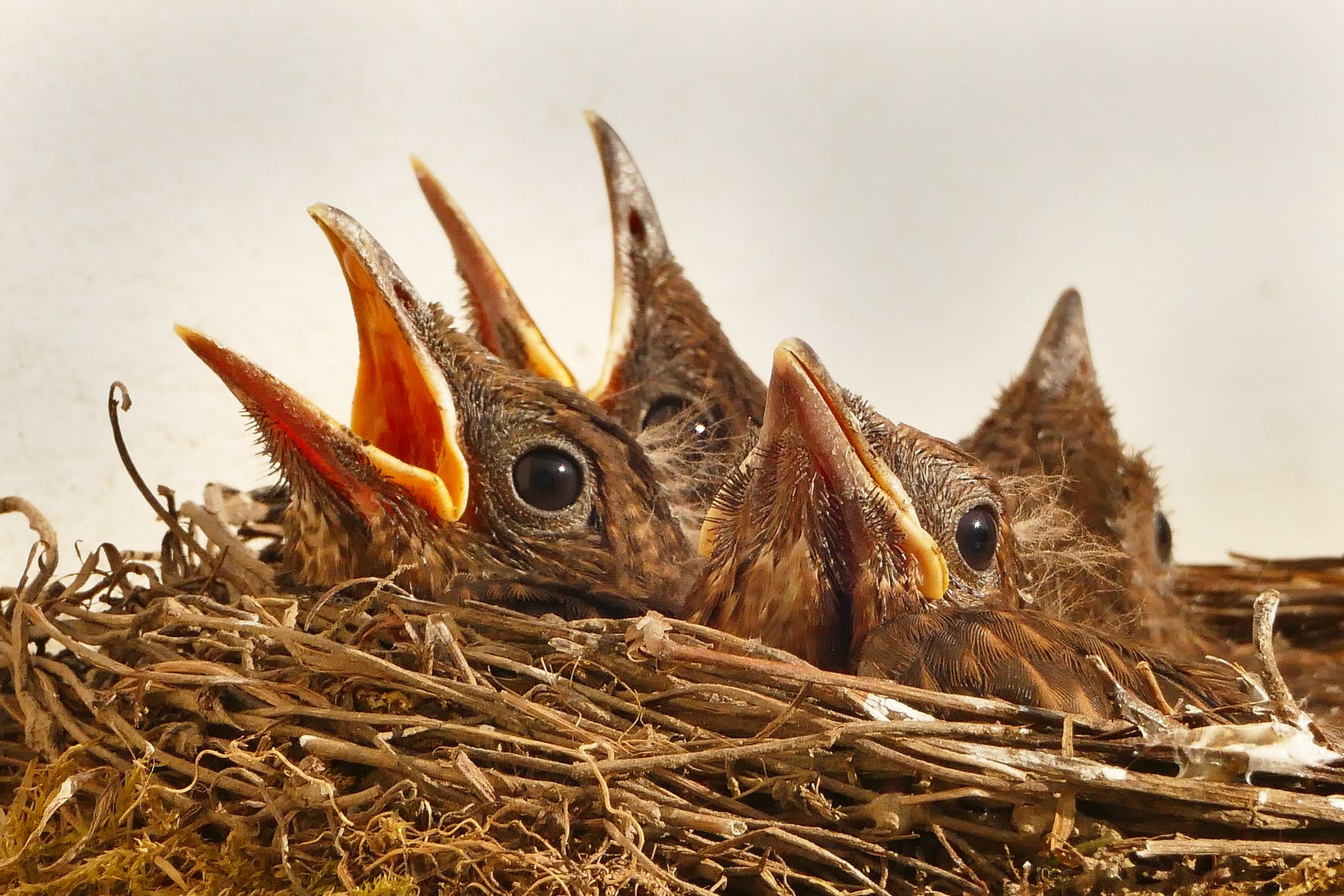
We are our past, and our present, and our future, and we all have ideas about what should have been done, what needs to be done, what will need to be done. It’s loud and distracting. It’s a nest full of hungry birds. We swoop back but we never have enough to feed them all, all our selves, all our squawking selves.

Maybe all we can do to quiet things is admit that we tried our best, or we thought we did, and that really amounts to the same thing. What we thought was our best, was, in fact, our best, so let’s let ourselves off the hook a little on that. And that is all we can do now. Our best. Whatever we think it is.

Love, Cath