On Be-ing, Figuring, and Breathing

By Catherine DiMercurio

I don’t recall a time when part of my long walk entailed two miles barefoot at the water’s edge. Where Lake Michigan splashed at my ankles as I strode south. I don’t recall ever being able to go to the beach four times in one week. These are some lovely benefits to completely reshuffling your life.

It’s still a bit surreal, the move. There is so much that I’m still processing with the way this year has unfolded so far. I’m trying to pause more. Throughout this whole process, with a million little and huge steps along the way, I have felt catapulted from one thing to the next. Have barely been able to take a moment to enjoy a sense of accomplishment at meeting various milestones, because the process doesn’t let you rest. Even on the day of the move, an enormous, choreographed event, I was barely able to take a moment to consider the enormity of it, to congratulate myself for choreographing it. There was a brief period of time where I sat with my sister at the picnic table out back while the movers unloaded the trucks when I tried to catch my breath, tried to let the big truth of the moment sink in. I had done it. Moved to a lakeside town. Gotten myself as close as possible to the lake. I had, against the backdrop of some heavy personal turmoil, gotten my old house ready to sell, endured the ups and downs of all the showings and waiting for an offer, accomplished all the work to prepare the new house for my occupancy. Shepherded my anxious, reactive dog through it all. And I had moved farther from my children, from most of my family, from all of my friends, too. All of these things swirled through my mind—the work, the pros, the cons, the hopes, the fears—for a few overwhelming moments before I was pulled back to the reality of a house so chocked full of boxes I could barely make my way through it.

And then I faced the next enormous task. Unpacking. The tiny home was barely navigable. A narrow path led through a maze of boxes. I slept on the couch, unsure how I would even move things around in order to put my bed frame back together. But in two days I created some sense of order out of the chaos, and then I worked for two days in the office I’d managed to set up, and then spent most of the weekend unpacking the rest of the boxes. I can breathe a bit again and am no longer surrounded by cardboard. The basement is still a disaster and will likely remain so for some time. I want to take a few days and just feel normal, want to immerse myself in my regular routines, but my brain is already worrying about organizing the basement, and finding a new vet and dentist and doctor, and calculating when I’ll upgrade the electrical panel and replace the aging appliances.

There is always The Next Thing. There is never a clear deck with no items waiting for our attention. I’ve known this for a long time. It’s a lesson everyone learns at some point. It makes no sense to scramble and scramble trying to get all the Things attended to for the foreseeable future so that you can relax and be happy. It just is not reasonable to postpone feeling okay until all of the worrisome items are attended to. We have to keep figuring out how to find peace and joy in the middle of it all.

But knowing this doesn’t make the mindset adjustment any easier. If there are simple ways for moving the Things to Worry About to the edges so there’s some clear space to breathe, I don’t know them. The ways I know are about conscious, deliberate efforts. Maybe this work is easy for some. For me, it’s a huge mental challenge, a heavy lift. Some of it is self-protective. There is a part of me that is convinced that the only reason I get things done and avoid having important things fall through the cracks is because I do worry. It’s as if I need to worry because that’s the only way things will be ok.

It might seem like a whole lot of exhaustive nonsense if this is not the way your brain works. I think one of the things I love so much about being at the lake is that it is capable of taking me out of that mindset. The water is a live, physical presence; the experience of being there is multisensory. It diffuses worry, calms the loud thinking and overthinking. It’s the only shortcut I know. This past weekend, I took a long walk, some of which was barefoot along the shoreline. At one point, the absence of racing thoughts became apparent. It was shockingly peaceful. For a moment, I felt like Winnie the Pooh, just strolling along, with a hum-de-dum sort of song in my head. “Pooh just is” is a line I remember from Benjamin Hoff’s The Tao of Pooh. And striving for that state of just be-ing feels impossible sometimes.

Part of the problem isn’t just a brain that is wired (by so many things, some of it innate, for sure, but some of it experiential) for worry. Part of the problem is a world that’s all digital and hurry up and loud and bright and urgent and in so many ways frightening and terrible. Of course we want to remain in a cozy bubble, try to feel good and safe and separate. To eliminate as many of the things to worry about as possible until there’s nothing to worry about anymore so we can just be.

I want to believe that while there is no end to worry (do you ever worry that there is something you forgot to worry about?), that the opposite is true, that there’s no end to peace, as in, isn’t there a well of peace within us, a transcendent and universal peace? And if so, how do we get there, how do we find it when we’re lost in all the other stuff. I don’t expect to stay there, I don’t know how people could do that with life being what it is but finding a path there, an easy path, a good path, a clear one, would be nice. I’m trying meditation but it’s quite a challenge.

Maybe I have found a path, maybe that’s why I moved here. It’s surely different for everyone and probably not everyone wants to go looking for that kind of peace. Maybe we’re not supposed to because don’t we need to stay worried so that we can fix little parts of the brokenness in the world? Or do we do that by finding and being peaceful within ourselves, and bringing that energy to everything we do?

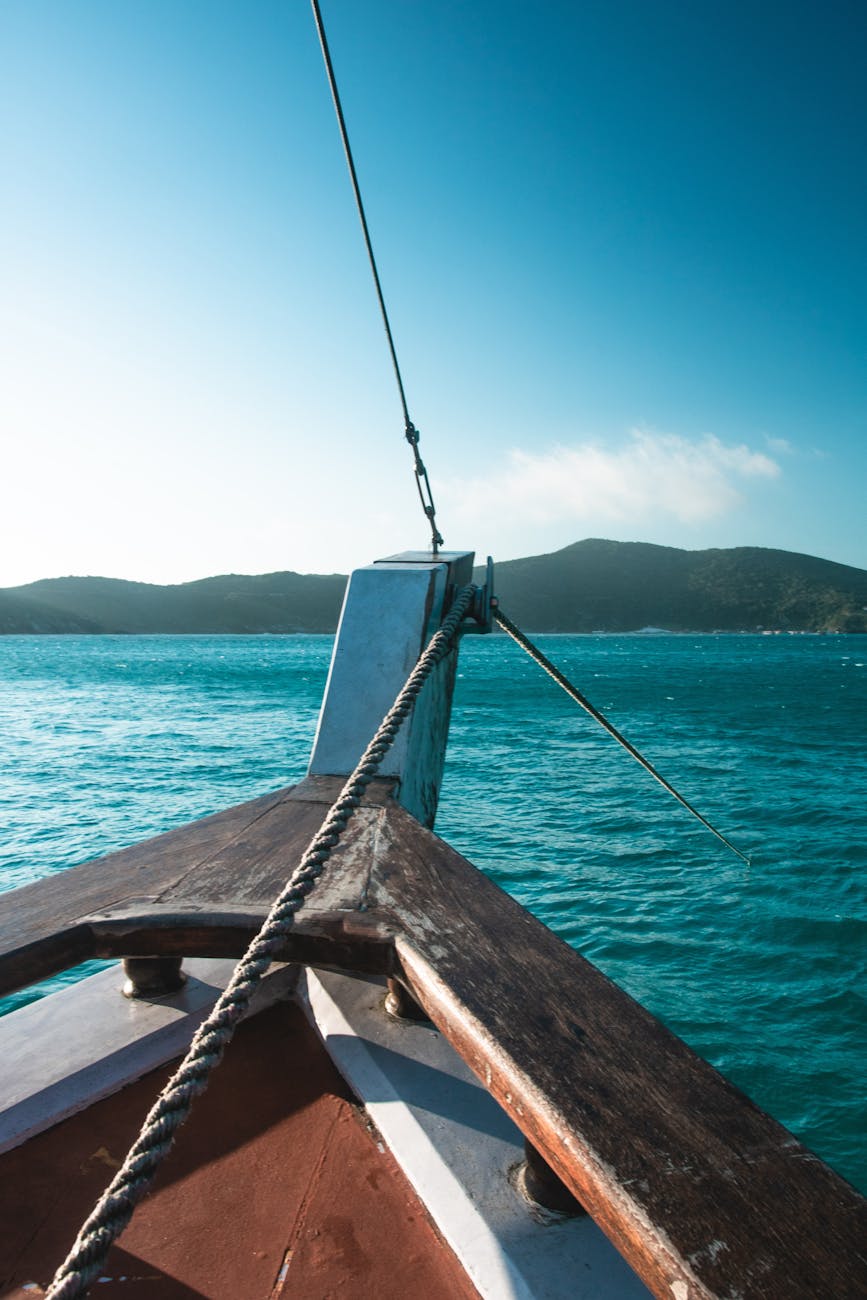
Photo by Athena Sandrini on Pexels.com

Yesterday after work I attended a program at a beautiful historic library. It was a book discussion led by a professor from a nearby university, for a book I really loved, about a man who sails Lake Superior in a dystopic, near-future Midwest. The framework of the talk was “dystopia and hope.” I contributed a lot to the conversation. It felt good. And then I drove the few minutes to the lake, strolled on the beach, watched the sun start to set behind the churning waves. I didn’t worry about finding a vet or a dog trainer or a dentist, or work, or what I’ll do with Zero if I want to go visit my people on the other side of the state. I didn’t think about the boxes in the basement, and the logistics of that space. These are things I have to figure out. But for a brief window of time, I was exploring my new community, interacting, living outside of my own thoughts, and getting soothed by the lake. I felt a greater sense of belonging than I have in a while.

I probably won’t ever stop being a worrier, but here there seem to be more opportunities to take breaks from it, and that’ll be good for me. I don’t worry that I will fail to figure out the things I need to. I just don’t always want to go through the figuring out process. It gets tiring dealing with the obstacles that come along with so many decisions. And obviously I feel a bit drained from having navigated a major life change, and that’s okay, is what I remind myself. We get decision fatigue, along with plain old regular fatigue.

But, I do know that I’ll figure out a lot of it. Maybe not all of it, and not at the same time, and often not elegantly. But I’ll do my best, as we all do, and maybe it’ll be a little easier now, here, to stay even-keel through it most of the time.

Be well. Love, Cath

On Crayon Stars and Resisting

By Catherine DiMercurio

This winter, as always, I try to keep my head above water. It’s harder when the world keeps fracturing before our eyes, but when has it not been fracturing? It’s just a matter of how open our eyes are at any given time.

I’ve taken a break from pottery to focus on some other things, and while it was a hard decision to make, I find that I am both missing the studio but feeling like the break was indeed needed, if only for what I hope is a little while. It’s not hard to find other mediums for my creative energy, but there is no replacement for the collective creative energy of an art studio of any kind, and I’m definitely feeling the lack of that in my life. Still, I’m trying to look ahead to the move I want to make, and I need to create time and space in my life to focus on the necessary steps.

Sometimes it feels like life is lived while simultaneously looking over our shoulders for that which we are trying to outrun and looking ahead of us for that which we might run into, but there is always the running. Even when the pace of life is slow, this mental race is happening.

In some ways, I try to opt out of it, try to stop looking back and forward at the same time. Nothing depletes us quite so quickly as running in two directions at the same time. At least, I’d like to try and imagine that I’m heading toward a goal, instead of fearfully scanning the horizon for obstacles I might collide with.

There’s a not-new idea out there that the energy we put into something, individually and collectively, shapes reality, and that thoughts are energy, so thinking about what we want our lives to be like, and believing in those possibilities, goes a long way toward creating that future for ourselves. On the flip side of this is that our negative thoughts and beliefs play a similar role; we might be inviting into our lives the very things we fear by focusing on those fears. I have long realized that my mental health relies on my ability to redirect my own thoughts when I’m looping on something that is causing me anxiety. Still, I find it overwhelming to think that if I don’t stop being afraid of certain things happening in the future, I might somehow be calling those very fears into being. It can make me feel as though I must police my own thoughts. To me, this is too reminiscent of the old prayer that haunted me as a child, where we confessed to sinning in our thoughts and words, in what we had done, and what we had failed to do. Even as a child, I thought that covers everything! Is nothing about me good? The idea that even my thoughts were bad felt paralyzing, just as the idea does now that bad thoughts create bad reality.

If you have a busy, anxious mind, it isn’t as if redirecting your thoughts is a calm, once-in-a-while sort of activity. It can be a full-time job some days. Maybe that’s what has always been so intimidating about this process. One of the things that I try to do, when a fear or worry arises, instead of trying to push it away as quickly as possible, is to stop, recognize it, and say I see you, I hear you, I GET you. I am resistant to  the idea that something organic to my own self—a thought springing from a fear in my brain—is wrong or bad in and of itself. But like an opinion not supported by facts, the fears in our brains can be misinformed. And I do believe there is value in trying to understand where our fears come from. Sometimes that provides us with an approach for a counterthought we can redirect our brain’s focus to. If I am worried about something that I have to do, and am concerned that I won’t be able to do it, I can remind myself of some of the things I’ve handled, and reassure myself that if this hypothetical situation should arise, I can handle that too.

Sometimes though the fear or worry is something large and unspecific, and even knowing where it comes from within us doesn’t really help. One phrase I’m seeing pop up in various places that can serve as a good counterthought to such thoughts and fears is something like I have the power to create the life, the future, I want. Some people believe the use of such phrases is a way to “manifest” for themselves materialistic things, or a partner, or any number of things, and some people believe that this is nonsense. Others hold that we can even use this type of thinking and believing to create the world that we want, that by channeling our individual energy toward a collective goal, we are feeding positive energy into a world hungry for it, and that this can have powerful results.

This idea holds some appeal. Is this maybe the way to counter some of the horrible developments we’re seeing in the world, in our country, these days? At the very least, can it help us to hang on to the things that are important in our lives and in our hearts while powerful people try to wash those away?

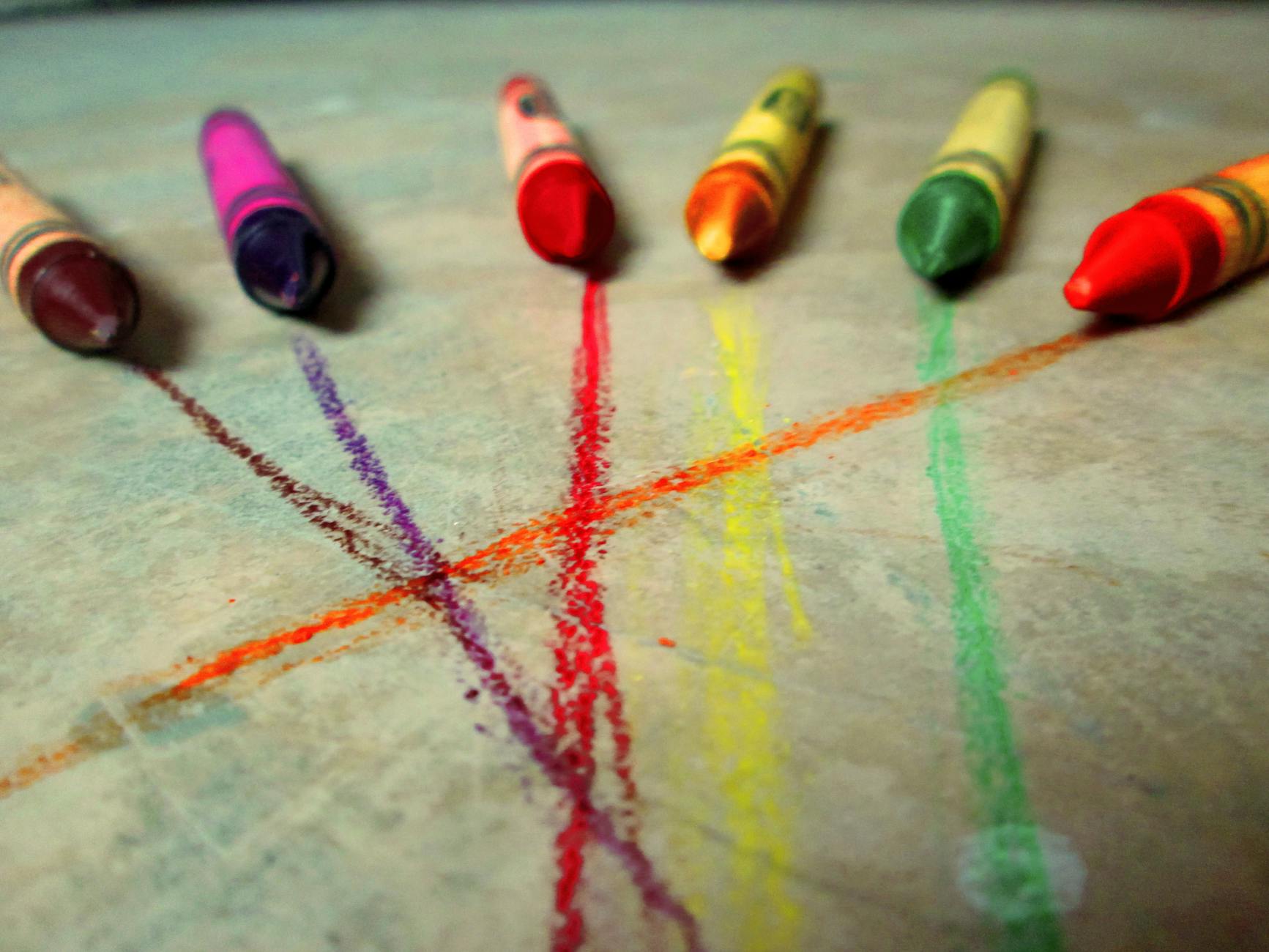
Photo by Zainab Aamir on Pexels.com

This makes me think of a third-grade art project, where we drew a picture, colored it in with waxy, bright crayons, and then washed over it with a dark paint. Some kids colored dazzling stars that stood out an inky night sky, some drew shining fish in a deep blue ocean. I found the result of using a resist in this fashion mesmerizing. Maybe we can be the resist, be the bright colors we all are, be shiny and solid, and we can stand out against the darkness that wants to wash over everything, wash everything away. Maybe we have to be that type of resist—bright, unyielding—in our own lives too, in our own thoughts, and in the world at large.

It can be so hard, especially in the thick of winter, to hold on to the good things, and find joy and solace in them when there’s so much cold and dark. Battling our fears every day is exhausting and honestly, my fears are part of who I am, which is maybe a strange way to look at it. But I want to understand them and comfort them, help them grow into something else, not battle them. I want to thank them for trying to protect me and show them that their energy could be put to a less defensive use. Our fears are trying so hard to protect us because of how much we love ourselves, even though we often perceive them to be a force that is working against us. I wonder what could be transformed if we looked at them that way, as a force of self-love. Maybe what we need to resist is the shutting down that we sometimes believe our fears are telling us to do. But perhaps they’re just there to remind us about the lengths love will go to.

Love, Cath

On Herons, Ducks, and Dessert

By Catherine DiMercurio

I want to be a heron when I grow up. I want grace and patience.

We saw a heron this weekend, my people and I, on a walk after lunch. The heron was standing on a log in a pond, maybe about to catch a fish, maybe not, apparently unconcerned that we were nearby and watching. I wonder what it is like to be still and calm and wholly myself in the midst of a busy, busy world.

If a heron can, why can’t I?

That is, I can, sometimes, but not always when I need to.

One of the things I have always found challenging is finding a way to feel happy, calm, or peaceful in the midst of dealing with some kind of struggle. I always have the sense that once I get past this thing or that, then I’ll be able to relax, find contentment. Maybe that is one of the things this current challenge is trying to teach me. I’m dealing with a major home repair, the kind that requires financing, the kind that it is depressing to spend so much money on, where you aren’t sure you can manage it but you have to. It has left me feeling stressed, depleted, tired. Everyone deals with things like this in one form or another. We all do, throughout our lives. We go through periods when we seem to be hit over and over again.

If we’re lucky, we also go through periods where not much seems to go wrong, and we have an awareness that somehow, bad things seem to be avoiding us. Sometimes, the more things go wrong, the more things seem to go wrong, and it is too easy to lose ourselves in that mode of thinking. Every time I feel this downward spiral, I have to do the mental work of avoiding its momentum.

This past weekend, I tried not to think of the repair that is about to take place, over the course of 2.5 days. When you have a reactive dog, it is challenging to have people who need to work on your house coming into your home. I’m almost as stressed about managing Zero as I am about the financial component of this repair. The disruption to my workday is also a factor. I try to keep things in perspective, try to manage as many of the pieces of the puzzle as I can. At times I sink into a resigned sort of acceptance; this is simply what needs to be done and I’m managing it as best as I can. At other times, I struck with the impossibility of it all, with the fact that not only is there one more thing to deal with, it is a giant thing.

Throughout the holiday weekend, I tried to compartmentalize so that I could enjoy my time, and I did a pretty good job for the most part. I’ve been thinking though about the way people metabolize the obstacles in their life. Some lean into faith; they pray, or accept challenges as some kind of plan they don’t fully understand. Some consider obstacles as necessities in our soul’s evolution. When challenges arise, they are welcomed and met gracefully. Still others embrace the apparent randomness of the universe, and don’t take challenges personally. I vacillate between approaches; I try to be graceful or wise, or calm. But first, it is true that I sometimes panic, depending on the size or severity of the obstacle. I know that part of this reaction is fear, and I ask myself: can I handle this, and how will I handle this, and what if I don’t handle it well, what if I make choices that cost me in ways I haven’t anticipated. That all comes from a not-fully-realized self-trust. But sometimes, I have a sense that though I can handle something, I’m simply tired of handling things. I feel defiant. “No more,” I wish to say, shaking my fist at the universe. But in the end, the fear or panic or weariness is simply futile, and we weather what we must because there is no other way. Life moves us inexorably forward. It doesn’t matter if we feel buffeted by stormy waves, a small duck in a big lake. Sometimes I want to make myself bigger, stretch tall on heron legs, unfurl the full length of my wings and defy storms. But whether duck or heron, we all simply weather the storms in our own ways. We do what we can.

The other thing I’m learning right now is to give myself space to have those moments of panic without judgement. Somethings are genuinely frightening. A huge, unexpected home repair can trigger feelings of financial insecurity in anyone; it is natural that it would leave many people with the sense that something of our essential safety is under threat, especially if we’ve experienced such instability in the past. I might later say, “I wish I’d handled that better,” but why? It is okay for me to feel anxious, to seek emotional support from my trusted circle. I wonder sometimes why I expect that I should feel unflappable, why I view responses such as fear or anxiousness as antithetical to handling something “gracefully.” I do long to feel a sense of serenity, an inner peace that is untouchable, unable to be shaken by woes or threats of any kind. It’s not a bad goal, but if I’m not there yet, then I’m not there yet. There’s no sense in having judgement about it. Maybe going forward, when I’ve had time to rest and regroup after this particular obstacle, I’ll sink into a kind of sustainable peace that will be less disrupted by whatever the next challenge is. Or, at least, I’ll strive for that.

For now, I’ll I can do is endure this latest challenge and trust that I’ve made the best decision I can at the time. I can use all the little tricks I have up my sleeve to get Zero and me through this. And I know I have people to lean on, and I know that leaning on people makes things easier, and also it doesn’t make the challenges go away. We all have to go through what we have to go through, one way or another, though for a long time I think I sort of expected that leaning on someone was sort of like splitting a dessert at a restaurant. You’re too full to have your own, and everyone consumes however many bites feels comfortable for them. But challenges are not chocolate cake.

Take small bites and deep breaths!

Love, Cath

On Burros and Butterflies, or How to Hold on to Your Dreams

By Catherine DiMercurio

When you are snuggled up with yourself on a towel with a thermos of coffee next to you after you’ve dipped yourself in a chilly lake on a cool, grey morning, you forget. You forget about all the things in your life that you needed to forget about for a little while. The things that seem un-figure-out-able. Those are the things that cause me the most daily stress, and having some relief from them was a gift. Lake Michigan is always a gift.

That was one of my favorite moments from my solo camping trip—the overcast day, the cold lake water, the hot coffee. Perhaps I could even call this trip a retreat, in that I retreated from the overwhelming stress of what my job has been like the past couple of months. I hiked and journaled and did some watercolor painting and read a lot and sat on the beach and looked at the water, and swam whenever I wanted. I made campfires. I listened t0 bumblebees in the silver linden tree. I watched butterflies flit through spirea blossoms, through a field full of staghorn sumac, milkweed, ox-eye daisies, black-eyed Susans. I sought calm and coziness.

Returning to the shores of the lake is for me like returning to the first sound you ever knew, your mother’s heartbeat. And it never fails to unlock something in me, this return. Still, this, itself, is part of one of my un-figure-out-able things. I haven’t figured out how I can rearrange my life, or afford, to have a lakeside life. I tried not to think about that on this trip, tried to simply immerse myself as much as possible.

When I’m in proximity to the lake, I don’t think about the not-belonging I feel almost everywhere else. I feel less out of sync with my environment than I have in most of the places I’ve lived. What does it mean to belong to a place, anyway? It is hard to find language that captures it. In some places, you simply feel connected. A place can speak to you—a house can, a lake can, a town can, a tree can—and you understand somehow. It feels like you. It’s a familiarity, in the sense that you recognize something of yourself in the landscape. It feels like home, a returning of you to you.

I’ve written a lot about belonging over the years in this blog. I thought about it a lot when I left the home I’d raised my children in and moved to this nearby township. It’s my fourth summer here and I don’t feel as though a strong sense of belonging is developing. I’ve made it my home, certainly, and my neighbors and I are friendly with one another. It isn’t a bad place to live by any means. But it is a long drive to a body of water. And in light of the dog attack I’ve written about and the number of loose dogs I have seen in the neighborhood, a new sense of hostility has developed. After the last incident a few weeks ago—another large dog was loose, but I spied him before the dogs noticed one another and I turned and we made it home—something in me closed a door, said it was the last time. The last time I risk another attack. It is another un-figure-out-able thing, my love of morning walks with Zero, and my inability to feel as if we can do that safely. I consulted a trainer, and I’m doing everything I can to make sure Zero is still getting exercise and mental stimulation. But it has been tricky. I have been very unsettled by the loss of our routine. And this sense of the neighborhood at large being hostile to us has been hard to shake.

I once had the thought, or the hope, that once I felt at home in my own skin, felt at last as though I belonged to myself, then I could and would feel at home anywhere. And I do feel that I have arrived at a place where I am more comfortable and content and at home with myself than I ever have been. But rather than this creating a situation where I feel at home wherever I am, it instead has intensified feelings of misalignment in terms of me feeling at home here.

And yet, for now, there’s nothing to be done, or if there is, I can’t see it yet. But, in most lives, there are un-figure-out-able things we live with all the time. We circle back to them, or, they circle us, like hawks or wolves. I’m trying not to think of these circling thoughts like predators, but I do feel an urgency about figuring things out. I wonder if I can make myself more patient by imagining them like butterflies or puppies instead. Though I suppose butterflies and puppies and all living things have some sense of urgency about them. Maybe, like everything else, it all comes down to self-trust. We have to trust ourselves to figure out the right thing at the right time.

There is some version of me that will know what to do, when to do it, and how to do it, and maybe I’m still evolving into her.

I think that a recent dream I had reflects how I’m really feeling about these stubborn, un-figure-out-able things. The dream centered on a stampede of wild burros. It was a chaotic scene, but the burros were beautiful—their hindquarters a golden honey color and their forequarters white with dark spots. Maybe, in the midst of trying to figure out what we want and how to get there, part of the process is cultivating an openness toward all the ways we receive clarity about our path. That is, there is some beauty in wanting, no? My quest for the lake takes many forms, but maybe until I land there, I need to (from the safety of some shelter) observe the beauty of the stampede of my dreams. That is, our wanting helps us flesh out the specifics of our dreams, helps us to pinpoint exactly what is important and why. My desire for a safe place to walk with my dog and enjoy experiences with him is leading me toward other ways of interacting with him and building our bond.

So much of mental health, or at least my mental health, is centered in reframing how I look at things: my fears and anxieties, my past experiences, and my own view of myself. My sister recently observed that we don’t hear rain; what we enjoy about the sound of rain is the sound of the impact of each drop—on a window, the pavement, our skin maybe. She made a point of noting that it is only through this striking of water against object that we note the beauty of that sound. It is up to us to interpret how we view the nature of that impact within this metaphor. To me, “impact” is a word with some inherent violence but it is unsurprising that I hear it that way. Sometimes even minor experiences can leave me feeling a bit shaken; I often experience the world as a little overwhelming (sound in particular). But we don’t have to see everything that way, hear it all that way. Lots of gentle things can be described as impact—clapping, any touch, the brush of a butterfly wing against a flower petal.

We do have to trust ourselves to know what action to take and when to take it, to assess the status of our dreams and our progress toward them, but we also can take smaller, gentler actions every day in the way we look at our lives and our hopes. Recharacterizing our perspectives, reframing our metaphors, can help us tame the chaos of our anxieties. And observing the subtle qualities of our desires can help keep us in tune with what we’re seeking. Sometimes I find it exhausting to hold my own hand and walk myself through something that has been troubling me or causing me persistent worry. But I’m glad I’ve learned how over the years. Kind of. And we have to help each other to do the same. It’s not always about listening to a friend or a loved one and offering advice on what to do. Sometimes we just need to hear one another and swap metaphors, share our dreams, create safe places from which to observe stampedes.

Love, Cath

On Wolves and Missions

By Catherine DiMercurio

In Italian, to wish someone good luck you say “in bocca al lupo,” which literally means, “in the mouth of the wolf.” The person you are wishing good luck to would reply, “crepi” (crepi al lupo”), which means “may the wolf die.” It seems that Italians have a good sense of what a dangerous place the world can be, though of course it is an older expression and probably had at one point really referred to wolves. With this expression, used in modern times, folks are expressing a sense of hoping that their loved ones escape some kind of danger or threat. We face different dangers than wolves these days. Sometimes the wolf is the forty-hours of work required to keep a roof over our heads, but which leaves us nearly too spent to enjoy anything but crashing on the couch under that roof. Sometimes the wolf is depression, anxiety, longing, fear. Sometimes it is a loose dog chasing you. Sometimes it is grief and loss threatening to eat you up alive. And sometimes it is much worse than all of that, depending on where you live in this hurting and hurtful world.

Photo by Steve on Pexels.com

When I first drafted part of this essay, the air was cool and the sun was shining and I was outside with my dog, who contentedly sniffed around the yard. Maybe contented is a strong word. He seemed relaxed. We had some good walks last week, having only had to skirt some deer grazing in neighbors’ yards. I find it surprising that I feel like I know less about helping this reactive dog feel okay in the world than I did raising my children, though I suppose when I was in the thick of things when the children were little, I didn’t feel much like I knew what I was doing then either. In both situations, raising the kids and raising the dog, I was/am in the position of trying to help these other souls feel that the world is a good and safe place and that they can be happy, when in fact, the world is often insisting on something else. I am often tuned into my awareness the world is in fact something else.

It is as though I must gently lie to myself so I can gently lie to them because it is only when you believe the lie a little bit that you can relax your sense of vigilance and hold on to and share luminous flecks of hope and peace. They are like fireflies, dancing around us and not wanting to be caught, but luring or lulling us into a sense of calm. But we need that calm, and hope, and peace, to manage existing in this world. Telling these little lies to ourselves is a skill, whether offensive or defensive I’m not sure, but perhaps necessary for thriving. When the kids were little, I struggled with this, how to teach them both how to feel at peace in the world and how to protect yourself from its threats. In the end, I feel as though all I was able to do was love them as hard as I could, while the world taught them the rest, against my will.

Still, I feel safe and good sometimes too. I often feel safe and good when I’m alone in the woods, or in my garden, or by the water, or when I’m with people who don’t want anything from me, don’t need me to be a certain way in order for them to enjoy spending time with me, for them to love me.

But I confess that nothing made quite so much sense to me as did the sense of mission I felt as the parent of my two children. Perhaps the sense of mission is retrospective, and at the time, like I said, all I did was love them as hard as I could. But I suspect that even then a sense of purpose thrummed through me that was different than anything I have felt since. Now though, whatever it was that rose up in me and thrilled to that purpose, still wanders around in the emptied rooms within me, trying to attach itself to other endeavors. But it doesn’t know where to land. I don’t need it to pursue my writing—I’ve always had a different sense of purpose for that; it is like a separate spirit with a unique set of skills that knows how to keep me trying even when I get discouraged. But whatever animated that sense of mission as a mother seems to hover and wait, and maybe it helps me with my dog, but for the most part, it lights up when I interact with the children and then settles back in to wait and wander. On the one hand, the children have blossomed into independent adults, which was the whole point. But on the other hand, I don’t know what to do with this feeling. Some people have that sense of mission about their work, which is a beautiful thing and I’ve watched amazing things bloom from this type of mission in many of the people around me. It’s hard for me to feel that way about my job, and maybe right now there are factors, the job included, that are clouding something that I need to see about where I should be training my focus.

All of this can be exhausting. Does living this way—in a state of looking for purpose, while confronting our fears, and searching for the safe people and places—also make us stronger? I don’t know. What is strength? When I think about the obstacles I’ve encountered in my life, I don’t look back on them and feel like the silver lining is that they made me stronger. I certainly have learned a lot about myself and other people, and perhaps there is strength in that wisdom. Still, I think it is easy to confuse strength and toughness. There is beauty in the idea that we can turn hardship into strength, that what we go through builds us into something fortified, able to both endure and grow. But too often we simply armor ourselves, we build walls, grow scales, we keep out what makes us feel weak or vulnerable, and in doing so, keep out lots of other things, good things. There is some gritty toughness to that and depending on what the world is throwing your way it is a natural and understandable response, and I think it is more common than whatever true strength looks like. There is that same question again: how do we both protect ourselves from the world and find peace and goodness in it?

How do you keep facing the wolves but also keep being open to good things, keep growing? I wish I knew. I wish the world made more sense. Sometimes I feel like I just landed here and am wholly perplexed by this human world we’ve constructed. Sometimes it feels like it makes sense to everyone else but me, but I know that’s not true.

Everyone metabolizes the unease of the human experience differently. Maybe I’m not afraid, maybe we’re not all living life while managing an array of fears; maybe it is something else entirely. It sometimes looks like fear but perhaps it is more accurate to say that our true selves, maybe our souls, are intuiting a dissonance—that clanging gulf between the way the world is constructed and our ability to access what we need to thrive in it. We show up every day into a world that seems designed to keep us in a state of agitation. Everyone puts on the masks or armor that they need in order to live their lives while scared or confused or hungry or grief-stricken or wobbly or exhausted.

And I’m trying to figure out how, in the course of doing things while afraid or exhausted or hurt, people remain open to a better way. If we lead ourselves through the world by our open hearts—yes, scared hearts and hurt hearts, but open—then maybe it can begin to change a little something in this place and we can feel like we belong here, belong with each other.

Maybe that is the mission, to keep living in an open, loving way in a bruised and bruising world. It was perhaps, the mission all along, and maybe I am supposed to be applying the same methods to my own life that I applied while parenting my children. What if we love ourselves as hard as we can? I don’t know why it feels like that doesn’t satisfy the sense of mission but maybe it doesn’t until I wake up and see that it matters. That adults, even those of us lucky enough to still have our parents around, have to parent ourselves sometimes, in the way a loving parent would nurture a child. We still need that. Life doesn’t get any easier and we are still confused and still growing up, aren’t we?, and no one really knows us better than ourselves at this point. Maybe nothing makes more sense right now. Good luck. In bocca al lupo.

Love, Cath

On Curiosity and Conversation

By Catherine DiMercurio

How strange that September is beginning is a thought that chirps through my brain these days. This time of year is so laden with transitions it is easy to feel unprepared. The loss of light has been startling, and though temperatures have spiked this weekend, there has been a coolness to the nights and mornings that smells of autumn. The softer light and cooler air touch your skin differently. I don’t mind grabbing a sweater.

There’s much to love about what comes next, but for me, each season always feels too short (except for winter). In this space, I’ve written often about transitions and transformations.

Sometimes transitions sneak up on us the way fall does. Softly but inevitably. Not urgently, but with a quiet sureness. And internally, we feel ourselves needing to recalibrate, wondering how we hold on to the best parts of one season as we enter another.

I think of what I’ve been loving about summer and how to carry that into fall, despite shorter days and cooler temperatures. I no longer have the busyness of shifting from children’s summer vacations to back-to-school, so the seasonal shift is gentler than it used to be. But it can feel jarring, nonetheless.

At a farm stand in Ann Arbor, I bought a small watermelon, some peaches, and a couple of apples, and I thought how wonderful September is, that it encompasses all this, that it is summer and fall, in conversation with one another.

It’s easy to think in terms of conflict, where we focus on the ending of one thing and the beginning of another, and the summer people and the fall people on social media are either lamenting or rejoicing. It’s easy to look at our own apparently competing desires as an equation to be solved, where the variable, “x,” will equal something when we’re done figuring it out. We will do the math and the result will be an answer to the problems that plague us, to the what-iffing we do about both the past and the future. I’m curious about the conversation between the “this or that” scenarios we paint for ourselves. And how, amid all this contemplation, do we sustain an attachment to the present moment? How do we position ourselves fully in who and what we are right now, when we are so busy trying to solve the past and anticipate the future? We fixate on healing and learning from the past, on preparing for a future we can’t possibly know, but we try to know it anyway. Meanwhile in the present we are trying not to disappear.

Maybe the problem starts when we are little, when we are constantly being asked what we want to be when we grow up, and do we have a girlfriend or boyfriend. Why do people do this to children? This felt like a fairly common practice when I was a child. The goals were laid out definitively for us, even if we were unable to articulate them as such as elementary schoolers. We were not even allowed to live in the present as eight-year-olds. It’s no wonder it is difficult to do so now. The messaging we got from so many angles was that the whole point of life was work and a partner. So when one or both of those things don’t work out how we planned, of course everything feels scrambled. And even if everything goes according to plan, many people still find themselves with a persistent “now what” sort of feeling, since everything they’ve pursued has been external.

These days, I try to train myself to savor the current moment and it has meant a certain type of negotiating. For me, being able to fully experience the present means that I must stop trying so hard to eliminate anxiety about the future or analysis of the past. I don’t want to fight myself anymore. It’s exhausting, and it has begun to feel uncomfortable and disingenuous to wish I was different than I am. For me, the thing to do is to focus on what else is also existing right now, amidst the familiar habits of worry and rumination. Can I shine a light on it? Is it excitement? Hope? Curiosity?

I feel as though the path, for me, is peace-making with the parts of me that admittedly feel in the way sometimes. Maybe instead, I should listen to what they need to tell me, listen with a compassionate ear for hearing, not solving. Maybe if I simply say, I understand your concerns. It’s normal for you to feel that way, they will feel heard. They won’t have to shout anymore because I’ve stopped trying to ignore them. And they’ll stop feeling like I’m trying to figure them out of existence. In a way, given that anxious tendencies develop from vulnerable parts of ourselves, we have to be as patient as we would with a child, and sometimes repeat ourselves, with kindness and empathy.

Then, perhaps, once they quiet down, I can listen to the other parts of myself that don’t always get the attention, the quiet ones, who say softly that things are good, that there is much to delight in, even amidst the anxiety. They remind me to trust myself. To be curious and have fun and to not forget about open-heartedness.

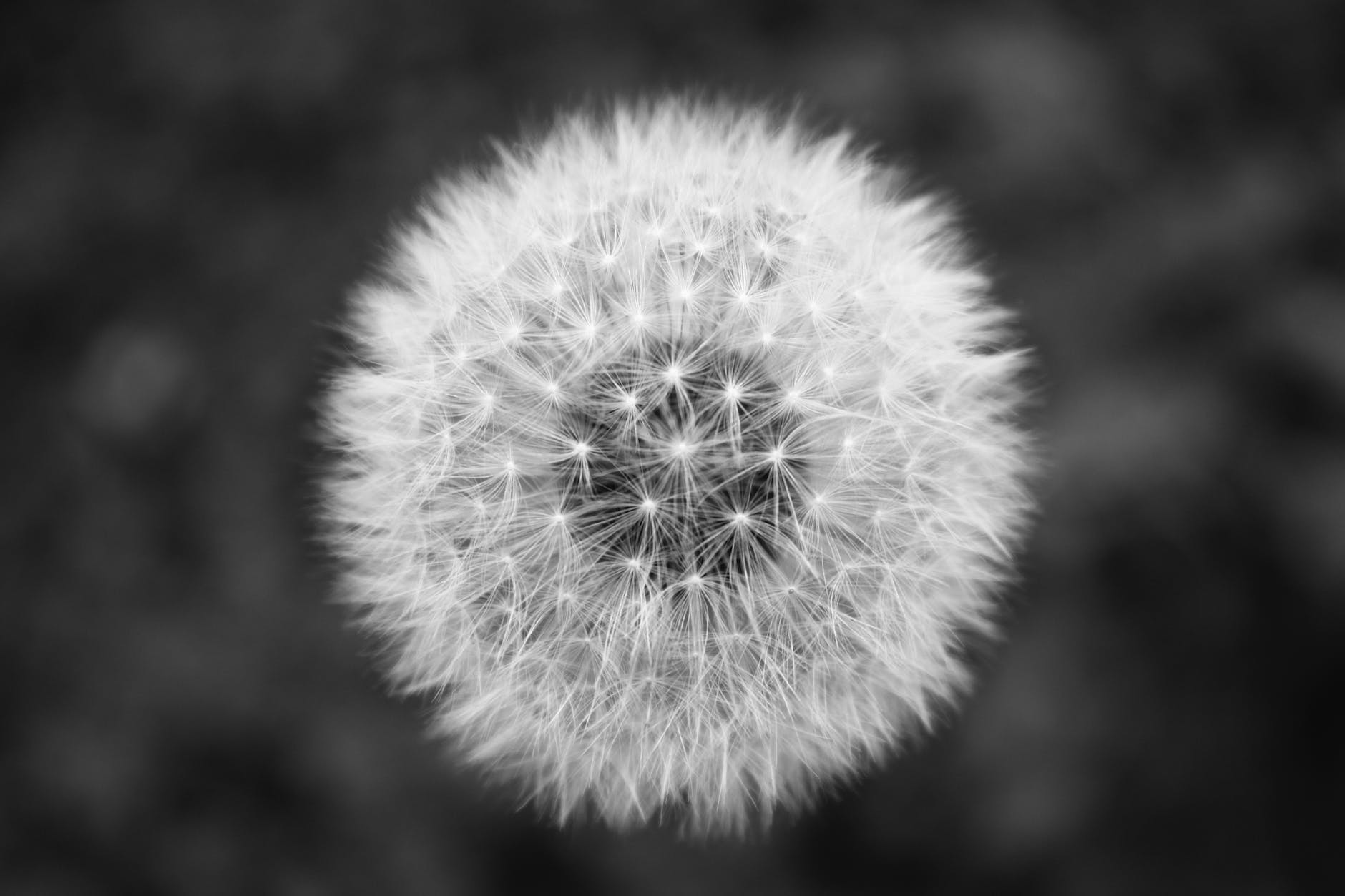
Though I sometimes must remind myself to be playful and silly, I never regret it, and it always connects me with that curious, light-hearted, open part of myself. My son tips me off to the best boxed vegan mac and cheese, and I splurge and buy 12 boxes so I always have something yummy and easy on hand, childhood comfort food. I giggle as I feed my dog bites of ice-cold watermelon and he nudges me for more, his whiskers tickling the bare skin of my summer-brown knee. I sing along to the radio on the way home from pottery, windows open, bright light from the full moon shining down. I make wishes on dandelion puffs. I play with the waves at the beach.

Photo by Jack Hawley on Pexels.com

I remember how to do this, to be delighted, to give this part of myself a seat at the table. But usually, she doesn’t want to sit still. She is laughing and playing freeze tag in the back yard with her siblings, running through her father’s perfect lawn in her bare feet, not minding that she’s “it” again. She is me, I have to remind myself sometimes, and our lungs are full of waiting wishes.

Love, Cath

On Incongruity and Metaphor (Or, On Not Giving Up on Yourself)

By Catherine DiMercurio

If you follow this blog, you know my approach: I write about things that are going on with me—in my head, and in my heart, and in my life—in the hopes that it reaches someone who might be going through something similar. Someone who is thinking/feeling the same thing and feeling crazy or isolated or scared because of it. I try to say quietly and loudly and slantwise and head-on, you are not alone, you are not alone, you are not alone. Because it is so easy to feel that way. To think that. To be trapped in the thought patterns that keep us feeling like we have no one who can relate to us. Writers are often told to write the book they want to read or that they feel is missing from the world. While I do keep trying to do that with my fiction, I’m also trying to do that here: write the words that I feel should be out in the world.

This may or may not be true, but I imagine there are plenty of people in the world who have long felt secure in themselves, who aren’t troubled by anxiety or depression, who might stumble on my blogs and wonder what is wrong with that person or geez, another one about self-trust? Or, why isn’t she over some of this stuff already?

But I’m writing for the people who feel things deeply, who have maybe have given too much of themselves away and in doing so, created on their heart a soft surface where blows leave marks that last a long time.  

I do feel like a broken record sometimes though. I wonder if I’m ruminating too much. I’m weighing all the advice about feeling your feelings and processing things and trying to make sense of it all and figuring out what is next, and when, and how, and why. It’s a lot, isn’t it? Life is a lot, for everyone.

This week was full of difficult anniversaries of things and a terrible dentist appointment and if it hadn’t been for a couple of texts, messages, and phone calls, along with an enormously satisfying throwing session in pottery, I would have struggled a lot more than I did. Though, the week did not end without tears.

I realize sometimes that I almost let pottery slip through my fingers. It would have been easy in the beginning to do the thing I used to do: not try, or not follow through on something that I knew I was not going to be good at right away, or at all. I was very discouraged that initial semester.

I think if I had started pottery even just two years ago, I might have given up in those early months. Might have powered miserably through the first semester and never taken another class. Might have told myself “You’re never going to get the hang of this. You’re too uncoordinated. It’s too hard.”

When I was feeling frustrated and like I wasn’t learning fast enough during that first semester, I bought a wheel, a cheap model I ordered online. I practiced at home. I reduced the amount of time I was “failing” publicly. In a way, I outsmarted myself. I knew the biggest obstacles to continuing with pottery were the feelings that everyone was better at this (and many were; there were a lot of returning students) and the huge—though needless—embarrassment I felt that I was slow to acquire skills and techniques everyone seemed to possess already. Even the other new people seemed to learn faster than me. But practicing at home, privately messing up and starting over and over, was what enabled me to get more comfortable with the clay, and with myself. In a way, I was battling a lot in myself. There was a part of me who desperately wanted to keep doing this, keep trying, get better. Keep playing. And there was the uncomfortable, anxious, critical part of me who fought back. That part is vulnerable and self-protective, and I have been working so hard to heal it. I couldn’t tell myself to just toughen up and push through, though. Pottery—or, a deep longing to explore this medium—both encouraged and enabled me to have these two disparate parts of myself start working together.

First, I had to stop telling myself never. I stopped saying, “you’ll never figure this out; you’ll never be good at this.” Instead, I’d ask people how long they’d been doing pottery. I’d gauge how long it might take me to feel more proficient, and I introduced the term yet into the way I talked to myself about my efforts. I haven’t learned that yet. I haven’t mastered that yet.

So what was the difference? How was I finally able to get to a point of mediating between these two competing parts of myself, both very childlike, one wounded and wary, one playful and enthusiastic? How did I not fall into the usual trap of avoiding something I couldn’t excel at quickly? It’s hard to pin it down, but I think one reason this lesson finally “took”—after years of similar internal battles—was because of the things I’d been learning about myself after my last breakup. I told myself a lot of things in that relationship that did not serve me. One of them being that I had to make it work because I was 50. I had reached the cutoff point I’d given myself. I didn’t want to start over with someone new. I tried so hard to mold myself into who I needed to be to make that relationship work, except, that person was a shadow-me. That person couldn’t, or wouldn’t express what she needed, and felt like she ought to not need anything at all, since needy was bad, right? But when it began to feel all too incongruous with who I was, I talked myself into changing course. I talked with my partner about what I needed and hoped for, and it soon became clear that we weren’t good fit after all.

One of the lessons I learned from that experience, the one that helped me stay in pottery, was to stop saying things to myself that make things worse. Just as I needed to stop telling myself to “make it work” in that relationship, I also need to stop telling myself that I’d never be able to center the clay or pull up walls or make a cylinder. I needed to stop saying that I’d never be able to do it or never be good enough.

At the end of the relationship, the incongruous feeling I was having centered around the me I knew I was, and the me I was telling myself I needed to be to make the relationship work. By the time I was taking that first semester of pottery class, I was starting to get more and more comfortable with listening to myself, to watching out for what made me feel less like myself (whether it was my own words or someone else’s). What was incongruous that first semester was the part of me saying give up. Most of me didn’t want to give up. But I had to have a long, difficult talk with that other part of myself who kept saying I should.

[Disclaimer: there are obviously times when it makes sense to try with everything you’ve got to make a relationship work! There are plenty of relationships worth fighting for. The ones that are worth that effort are those in which you do not have to be someone you aren’t for it to work. Yes, both parties should be willing to compromise, but you compromise about preferences, choices, behaviors, not who you are, and not the essentials of what you need. Some key questions (among many) to ask yourself: Is it safe to be myself? Am I becoming less of who I am in this relationship? And are my efforts to improve the relationship being matched and reciprocated? No relationship is worth disappearing over, and both people should be giving it everything they’ve got.]

Sometimes in my current pottery class, I still get overwhelmed with how much I don’t know. Sometimes it feels like beautiful, endless, possibility and other times I feel small and uncreative and like I can’t tap into whatever it is I need to in order to grow, to feel like I’m as much of an artist as the other people in the studio. I still feel like I’m learning rudimentary skills. But after a great throwing day, where I pushed myself and made some larger pieces, I took a look at everything I threw and thought, I’m a potter. I’ve said it before, even put it in a dating profile, but this was the first time I’d thought it and felt it. It took eleven months to get to that point, and it has been worth the effort.

I love it when a metaphor presents itself to me. I used to say that running is a metaphor for everything, and it is. So is pottery. The world is full of metaphors rushing to in to help you understand the meaning of effort and beauty and reward and . . . self. How we return to ourselves is one of the most important journeys we can ever embark on. Wishing you peace and insight as you find your journey, and the metaphors that become your maps.

Love, Cath

On Windmills and Waterfalls, Dreaming and Doing

By Catherine DiMercurio

Sometimes we have to protect and feed our energy.

I love a morning moon. Recently I stood under a 5 a.m. waning gibbous, after the harvest moon. I’m not sure what planet glowed nearby but between the moon, the planet, the still bright stars, and a symphony of crickets, letting the dogs out that early was quite pleasant. It was good energy to begin the day on.

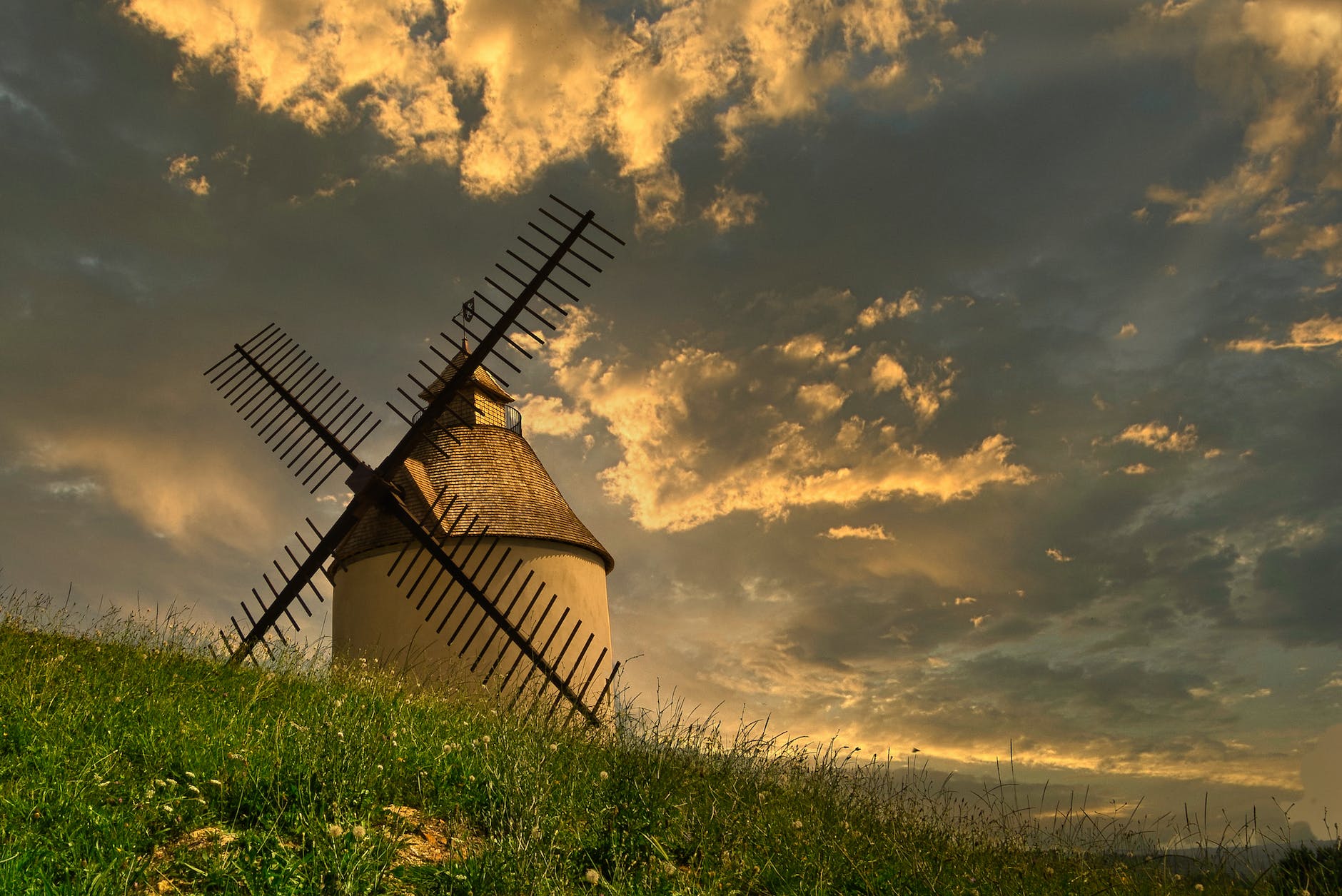
I’ve been thinking a lot about energy lately. My sister recently told me about a dream she had, involving the two of us and a windmill and a waterfall. I feel things churning toward change, as if I’m at some sort of turning point but I haven’t yet discerned what’s next or where exactly I am. I liked the symbols of energy and power she spoke of.

Photo by JACQUES BARBARY on Pexels.com

I’ve had strange dreams about energy as well. One was about electrical cords that were plugged in in strange places, like across the room instead of the nearest outlet, so I was always tripping over them. Another was about a horse. My kids and dogs and I were in the pen with him, and he was alternately restless and bucking, or nuzzling us. Finally, we realized he was hungry, and after we fed him, he was content. This beautiful creature was trying to tell me something simple and urgent, and was getting impatient that I couldn’t figure it out. These dreams left me feeling as though I should be doing something.

On another recent morning, I stood outside at dawn, and white clouds blanketed the sky. I couldn’t get a sense of the sun rising so much as the sky began to lighten every so gradually. And I thought, maybe some transitions are like that. Soft, quiet, and so subtle you don’t notice they’re happening. So unobtrusive you can’t tell where the light is coming from. They are not full of do-ing energy but with be-ing energy.

What is the right balance between energetically pursuing your dreams and patiently waiting for your efforts to pay off? When I look at where I am, what I’m doing, and what I want, it’s unclear where I should focus my energy. Sort of. I am pursuing my writing goals; I’m not yet it a position to pursue my dream of living by woods or water; I’m feeding my creative needs not only with writing but with pottery; I’m maintaining friendships, and trying to be a good dog guardian, and doing my best to be there for my kids to the extent that they still need me to be. But a question mark hovers in the relationship category.

For a long time, I thought if I experienced loneliness, then I was not doing the “being on my own” thing properly. As if I had to prove that solo was perfect and right for me by being fine all the time. But everyone gets lonely. That doesn’t mean I’m failing. Occasional loneliness is a normal thing for everyone, for people in relationships and for people not in relationships. There are going to be times when the feeling crests, but that doesn’t mean it has to swallow us up.

I was hiking this weekend, and while I often find a friend to go with, on this occasion, my usual hiking buddies were busy, so I went alone. I was excited to explore a different part of my usual trail. While doing so, a couple came up behind me. They were walking a bit faster than I was, and to avoid a prolonged period of stalking right at my heels, they said to one another, “want to do a little trot here?” and they jogged past me and got far enough ahead that I wouldn’t be encroaching on them.

When I thought of the ease they had with one another, and having heard snippets of their conversation, I felt a sudden piercing burst of loneliness that brought tears to my eyes. How beautiful to have a likeminded partner to share a hike with, to be so familiar with one another that the conversation flows, and you instinctively communicate with one another on the trail. I thought of my past relationships, and how little we actually had in common in terms of how we enjoyed spending our free time. It’s easy in a moment of loneliness to slide further and further into the past. But I also had the very conscious thought that I did not want to let this bitter pang to continue intruding on my current joy.

I remembered something—a tool to help ground you when you’re feeling anxiety or grief taking over. I knew I needed to firmly root myself into the present moment, the beautiful experience I was having out in the world, not the twists and turns inside my head and heart. I reached out, letting my fingertips skim the bark of a beech tree, and then the next tree, and the next. I took deep breaths of woodsy air, warm and humid on this September morning. I looked down. At my feet was a fallen yellow leaf, of a shape I couldn’t quite identify. It didn’t look like anything around it. I thought it was vaguely poplar shaped, but oddly asymmetrical. I carried it with me, rubbing it between my fingers as though it were a talisman helping me ward off evil.

Because it was. Not that our emotions themselves are evil. But here’s the thing. There’s a difference between noticing/feeling your emotions and having them bond with anxiety in that toxic way they sometimes do. Anxiety distorts our emotions, mutates them. It’s a bad combo. I saw that beautiful couple being awesome in the woods together, and the emotions came at me hard and fast. Grief, loneliness, the confusion of “have I ever had that?” I felt it all in an instant. But I knew anxiety was kicking in when I began to ask the “what if” questions. What if I never find it, etc. That’s when I reached out to the trees for help. We have to know when to reach out.

Funny that I found a little distorted leaf that looked like it didn’t belong anywhere since that’s exactly how I was feeling. It’s like the woods were saying, “you’re not alone.” And that’s also when I realized that feeling lonely doesn’t undermine any progress we’ve made with self-trust and healing. It is simply another emotion. We notice it, feel it, and it’s a good sign when we can prevent it from pairing up with anxiety.

I was pleased that I’d managed to hold onto the good energy, to nurture it. But what of the other energy, the dream energy that seemed to be urging me to do, to act. Was it relationship related? Am I ready to try again? Or is it better to simply be, be me, be open to possibility, to wait and see what happens?

So much of what we want in life, so many of our dreams, are not entirely within our control, so it’s no wonder that it’s confusing when we consider how much energy to put into something. I think we have to listen to what our dreams are pointing us to, but they can be hard to interpret. Maybe the doing my subconscious was hinting at was about simply protecting my own energy. Not wasting it. Feeding it. Maybe it was about reassurance, a reminder to keep tending and keep trusting.

Love, Cath

On Love Letters and Pancakes

By Catherine DiMercurio

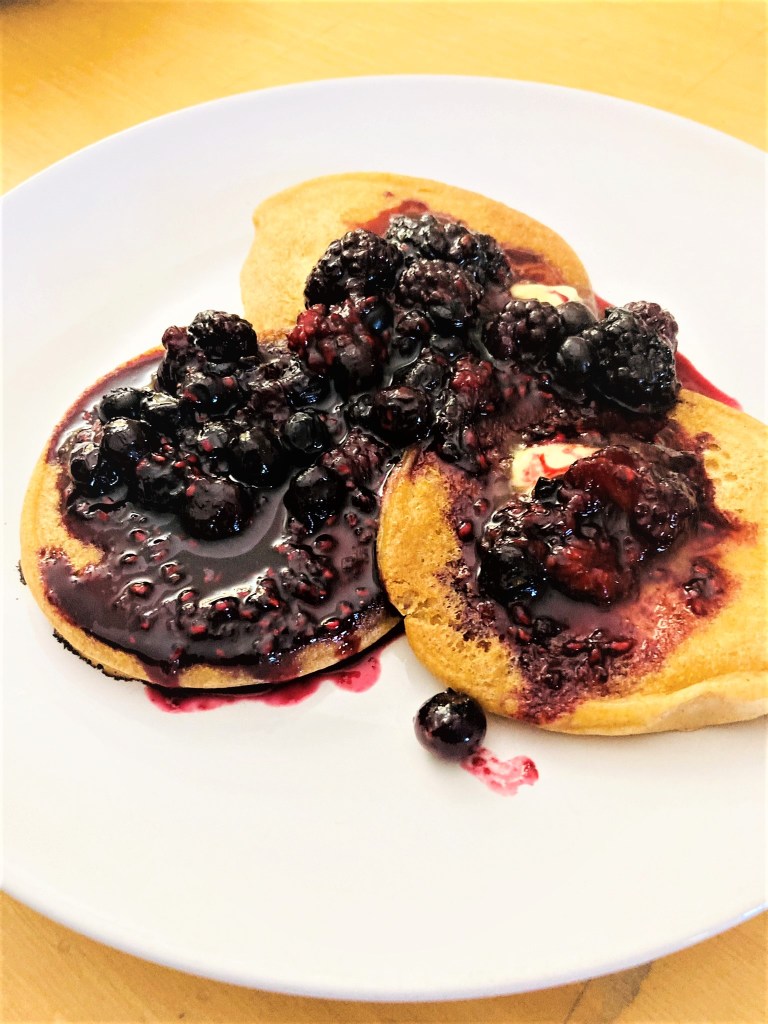
Pancakes are love letters I write to myself on weekend mornings. Yesterday’s were slathered in vegan butter and a syrup made from mixed berries and turbinado sugar, since, shockingly, I was out of maple syrup. I have a long history with pancake-as-love-letter. I used to make them for my family when the kids were little. It was a favorite treat. Every once in a while, if I was up early, I’d make them on a school morning and the kids would be surprised and delighted to have a break from their usual school morning fare of toast and tofu, cereal, frozen hashbrown patties hastily heated, smoothies, or whatever else we threw together. When we’d have neighbor kids over for a sleepover, I could easily be cajoled into making chocolate chip pancakes. All of this was a way for me to say, let me do this for you, make you feel welcome and delighted and full-bellied. Comforted and loved.

Messy but tasty.

Once, when my marriage was building toward its demise, and it seemed like my husband had gradually evolved into someone I didn’t know, who didn’t know me, I made pancakes on a Saturday morning and called the family to the table for breakfast. He sat down, reluctantly, in front of the steaming plate of love letters I’d placed in front of him. “I don’t really like pancakes,” he said. He didn’t even say “anymore,” as I recall. It was as if he was telling me that all along, he’d never liked them, and all along, he’d let me labor under the delusion of my delight in feeding him this treat. All along, what I knew and what I thought I knew were different things. Some seemingly mundane moments like this etch themselves into your soul and you try and talk yourself out of letting them mean too much, but later you are able to understand why it hurt so much more than it “should” have.

Later, after the divorce, after the rebound boyfriend summoned from my college days (for whom I made gluten-free pancakes), my first real new boyfriend spent the night for the first time while the kids were away. I made him pancakes in the morning. I delighted in how much he enjoyed them, how pleased he seemed to be in my space, sitting at the dining room table with me over pancakes and my syrupy love notes. I fell in love easily then, though that relationship did not last long, nor did the one that followed. I have a pancake story for that one too, but like most of the love notes I offered then, the reception was lukewarm.

Now I make pancakes for myself and it still feels like a special treat. Yesterday, I needed to feel taken care of, so I made myself the aforementioned pancakes. It started out just as something that sounded good but as I began mixing the batter, I thought of how satisfied I felt whenever I bothered to make myself a good meal instead of just scraping something together because it’s “just me.” So I completed the task with more deliberateness, thinking about why I was feeling the need for care in this moment, and also being grateful for being tuned in to what I needed. Even just months ago, it was challenging for me to consider both what I needed and figure out a way to get it. It was no easy task to make myself feel loved. To allow myself to feel loved. By the people in my life, by myself. Being partnerless felt burdensome, heavy, huge. It felt like an enormous cloud that shadowed my life. I felt that, theoretically, I loved myself, but I sort of waved away the notion that such knowledge could do anything to assuage my grief or loneliness. Now, I’m able to enact that love in different ways, to sit with emotions that need attention, to take comfort in a thoughtfully made meal, to pull myself away from the damaging loop of anxiety-thoughts by going for a walk or heading to the pottery studio or playing with the dogs.

It’s taken me so long to learn how to connect all these dots. For most of my life the messaging around me was that there was something wrong with prioritizing oneself. We don’t really learn how to do it. I didn’t. Or that we can, or should. For me, it has been so much easier to do now that I haven’t been in a relationship for a while. A year ago, I would not have imagined that I would come to think of the ending of my relationship as a gift. At the time, I felt I was making a healthy decision for myself but it was still a painful process and a grieved ending. It has taken me these many months to get to the point where, beyond knowing what I want in the next relationship (when/if that happens for me), I know myself so much better. Further, I know myself better for the sake of myself, not for the sake of any past, present, or future relationship. In the years since my divorce, I’ve been doing this work, but having this time entirely to myself for the past year has allowed me to further those efforts, to be more conscious, aware, and deliberate about my wants, needs, choices, preferences, and so on. To be clearer about my motivations and my triggers.  

Obviously, as a human, I still desire external validation, connection, conversation, etc. I’m learning what it means to feel wholeness and peace and at the same time desire connection and community. They aren’t mutually exclusive. I also have bad days where nothing seems to help. I’m still a work-in-progress. We all are, and there is so much beauty in that. The people I’m most drawn to are those who possess that same awareness. 

Pancakes are not the only love letters I write to myself. When I look around my space and see houseplants in every room and jars of found objects—pinecones, driftwood, rocks—I see all the ways in which I bring nature inside so that it is all around me, because it calms me and centers me. Every little stone I’ve ever pocketed or tucked inside my beach bag was a way of me saying to myself, trust me, you’re going to need this later.

So, if you’re reading this, take a moment amidst all the loud clatter and chaos that seem to be the norm of the world around us most of the time, and think about what little love note you could give yourself today. Is it cooking a comforting meal, writing an actual note, going for a walk, picking up a lucky penny? Maybe it is pouring coffee into your favorite mug, and stepping away from work for 15 minutes outside. What are the ways you’ve expressed love for others in the past that you can offer yourself now, like me and my pancakes? It’s worth thinking about. You’re worth it. I am.  

Love, Cath

On Seedlings, Rip Currents, and New Things

By Catherine DiMercurio

Solitude is one of those gifts that doesn’t always feel like one. There is much delight in self-discovery, but the responsibility to make the most of this time can be troubling. Yet in the absence of other humans to react to and with on a daily basis there is a freedom to observe ourselves, to re-learn what makes us tick.

For me, this prolonged period of solitude has provided the opportunity to ask questions. What does being me look like when I am not in the mode of daily parenting or in a state of being partnered? In a way, being in solitude is like being the control group in an experiment about my own identity.

Here, I have the time and space to observe what affects my mood, my sense of well-being. What stressors alter the course of my day, how do I respond to them? How did I respond differently when I lived with my children, when I was with a partner? What do I like about the way that I live and think and feel, and what would I like to improve?

Here is something I’m learning about growth. Imagine one of those old, time-lapsed photography videos of a germinating seedling, the way it pushes through the dirt up to the warm sunlight and begins to unfurl. I wish my growth was like that, unconscious and inevitable, rooted in the instinct to move toward the light. When a human chooses to pursue growth—emotional, psychological, relational, etc.—they bump up against obstacles that can feel more troublesome than the soil a seedling faces. We must move through them somehow to get to where we want to go. It is not an instinctual movement with a clear direction. For many, growth requires confronting fears, and most fears stem from old wounds, from past relationships that reach all the way back through our childhoods. Our growth often requires that we dig down before we can inch up.

Photo by Gelgas Airlangga on Pexels.com

One of the things I have learned about myself is about the way I pursue things, or avoid pursuing them. Sometimes I can’t sink my teeth into something that intimidates me until I have run out of all the excuses to avoid trying. Sometimes I can’t truly let go of someone—even after the relationship has ended—until I have exhausted myself trying to figure out why it didn’t work. Things take as long as they take. Especially because we have to live life at the same time we are doing this work.

We owe ourselves these searches, these explorations of wounds to be done grieving, of lessons to be learned. But it’s hard and we need to take breaks. And the work does not have an exclusive claim to our time. We have other things to do. I have a full-time job, writing goals, hobbies, dogs who are strangely like best friends half the time, and mysterious toddler-like creatures with a never-ending set of demands the other half.

Some people seem better equipped to live in the moment. I feel as though I’m almost ready for whatever moment I find myself in, I just have to think about a few more things first.

In having all this time to myself, I decided it was time to learn something new. I had two aims in mind: learn the new thing, and, to learn something about myself in the process. One of the reasons I wanted to learn the new thing is that I have begun to understand the extent to which I have lost myself in past relationships. So, I am exploring the lost self, the remaining self. Further, I have a duty to undertake this exploration openly and honestly, to side-step self-criticism, and to nurture myself through this process with as much care as I would treat anyone who is going through transition or transformation.

The new thing, if you’ve read any of my recent blog posts, is pottery. It is an artform rich in metaphor. It is an artform where proficiency is elusive. Developing even rudimentary skills is challenging, more so than I ever imagined. Instead of being able to feel relaxed, or excited, or joyful, or curious about learning this new thing, I have found with dismay that I’m often frustrated or anxious. It is a disappointing reaction. I try not to be disappointed. I try to dig. Anxiety tries to point us in certain directions. Just like pain is our body’s way of telling us something is wrong, our anxiety is a way of our brain telling us that something is off. Certainly, there is nothing much actually dangerous about pottery, so why was I reacting this way, with so much worry? Was it more than just wanting to do well and struggling to get there?

I was about to head to the pottery studio and my anxiety was jangling so loudly it felt like I could hear my teeth rattle. Instead of ignoring it, or trying to distract myself, or telling myself to knock it off, I decided to talk myself through it. I asked myself a series of questions that kept whittling down the issue to a couple of difficult past experiences (long past!) and the years of emotional residue they left. I let myself experience the emotions those memories brought with them.

Sometimes anxiety makes us feel as we are in current danger even though our brains are remembering something else. So, this time, I tried to be aware of what was remembered, and feel it, and understand it, and forgive myself and the people around me. Miraculously, the anxiety that had gripped me so tightly evaporated. I didn’t realize it at first. I just found myself packing my tools, and I sensed that I felt better, calmer. I went in and spent three hours making a lot of mistakes on the wheel and when I was finished, I didn’t feel terrible about the mistakes as I had done in the past. I thought, this is great; my hands are getting used to how the clay feels, how it behaves. I was able to enjoy the process of failure.

If you’ve ever swum in Lake Michigan you may have seen the signs posted about dangerous rip currents, and how they pull unsuspecting swimmers away from the shore. The signs instruct you, should you get caught in a rip current, to swim parallel to the beach, so that you can get out of the rip current, before heading back to shore. Though I have never experienced a rip current, this is what anxiety sometimes feels like. There is no current (immediate) danger, but there is current danger (danger of getting pulled under and away by the current). The moment when I started asking myself questions about the anxiety that I felt was key. I took it seriously and didn’t panic. I realized that while I was not in imminent danger physically, I was in danger of the anxiety taking over, pushing me under. My questions allowed me the opportunity to swim parallel to the shore. Arriving at the studio in a calm state was much better than having to fight the jangling the whole time.  

While pottery is the new thing I am using to try and learn about myself as I learn about the art itself, life is going to give us all other new things. I think it is important to try and understand ourselves so that when things come our way, we know what to do with them, how to handle them, what holds us back, what pushes us under, what moves us forward.

I have a Post-it note stuck to my computer monitor. It reads: curiosity. I’m trying to let that guide me. To be curious rather than skeptical about new things and to wander through this part of my life with the open-heartedness with which I started the blog in the first place. Happy wandering! May your next new thing be good to you.

Love, Cath