By Catherine DiMercurio
Feeling creatively stuck is especially challenging when doing creative things is what reconnects us to ourselves. Here, though, the weather is finally unstuck. It is warm now, and not only is there more work to do in the yard, but warmer days also mean that getting outside to run, walk, bike, and hang out at the beach is more appealing. It’s been easy to turn toward those types of activities rather than figuring out how to revive the creative spark.
My topsy-turvy spring forced me to focus on the practical particulars of how to move forward, but also left me feeling unfocused creatively. I simply didn’t have anything left, energetically-speaking, to pour into artistic endeavors.
Like several of the challenges I’ve come up against over the past year, what I’ve been dealing with most recently is something I can’t really share about in a detailed way in this format. Given that in-person, I tend to overshare, it can be difficult for me to exercise restraint in this space. Interestingly, though, I’ve been reading a lot these days about restraint within the context of writing, specifically in terms of character and plot development. It’s been argued that readers today have come to expect things to be spelled out, over-explained, and yet when we as authors trust our readers to connect the dots themselves, the writing can truly shine and the reader’s experience is richer and deeper and more personal. It’s tempting to write in such a way that our readers feel exactly what we want them to, when we want them to. But is there actually value in controlling the experience in that way?
When you look at it like that, it doesn’t matter much what the particulars of my personal experience are as I attempt to reach out to you, as a reader, in this format. It doesn’t matter because you probably also know what it is like to go through a challenging period that you feel obligated to keep a little private. Inside, you’re managing some kind of turmoil, but you still have to go to the grocery store and thank the cashier, perform your job with a measure of excellence, feed and play with the dog, tend relationships, go to the dentist. Sometimes we want to stop all together. We freeze in place, wishing someone could just wake us when it was all over. When the new path forward has been settled upon. Sometimes you even imagine what a luxury it would be to have someone else work out all the details and just point you: this is your path now; it might not be easy but you don’t have to decide anything, it’s been decided for you, just keep walking.
I think the dust will be settling soon for me, at least for now. I’ll learn the new path, and I’m grateful that it revealed itself and that I had people in my corner urging me toward it. And while I’ve been disappointed that through this and other changes, I’ve found it challenging to give my writing the attention it deserves, I’m trying to shrug off the disappointment and tell myself what I’d tell anyone going through a challenging time: Be patient with yourself. Give yourself grace. Work on small creative exercises rather than trying to make progress with on-going projects. There is a way; you will find it.
I think sometimes we waste our creative energy telling ourselves stories about bad things that happen. When life knocks us down, especially after a few consecutive knock downs, it’s easy to wonder something like: why do bad things always happen to me? I’m trying to avoid this line of thinking though, and go the route of the erasure poem. An erasure poem is where you take a section of printed text and strategically strike out words and lines, and the remaining words and phrases create a poem. This is an oversimplification; apologies to the poets. So instead of “why do bad things always happen to me?”, I strike out words and what I’m left with is: things happen. It’s not personal, it’s not always, it’s not just to me, and it might not be as bad as it seems.
While this can take the sting away, it doesn’t always remove the obstacles to the creative flow. But it helps. It also helps to turn toward other creative pursuits. Writing has proved thorny lately, but I played with watercolors recently, and clay, too. Both of those pursuits do wonders for my brain, easing me into that state of mind where thoughts quiet themselves for cherished minutes or hours.
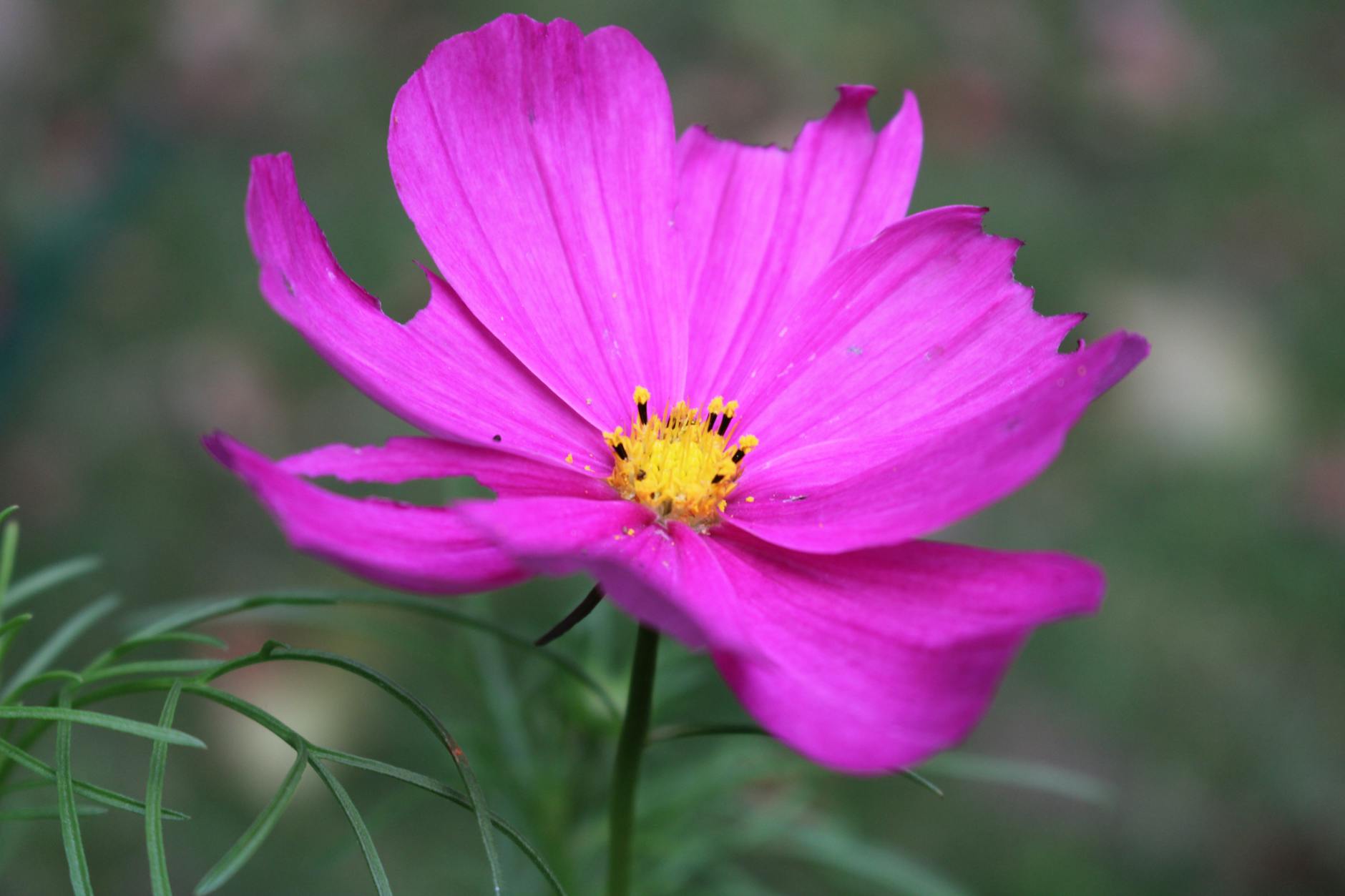
Right now, I’m hoping that I have a break from big changes for a bit, and that things settle down into more mild domestic tribulations, like the irritation of pesky, nearly empty jam jars. I don’t feel like washing them so I never quite use the end of the jam, so they clutter up the fridge door. Or, the adorable bunny that breakfasts on the bright pink and orange blossoms of my newly-planted cosmos and zinnias. Or the way the oak catkins—long, fringed, and the color of toast—have fallen from the red oaks, blanketing the yard and clinging to my dog’s long, fluffy coat like little burrs.
A few months of nothing extra happening sounds like a blissful proposition but I am not naïve enough to expect this. But I am still naïve enough to believe that being grateful for the stretches of calm and peace I do get is some kind of ward against bad things happening. So I will be exceptionally delighted to wash out the jam jars and monitor the bunny situation and painstakingly pluck oak catkins from Zero’s long, fluffy tail. I will be grateful for the mundane tasks that irritate but do not involve upending the normal flow of life.
These days, I try not to expect anything, good or bad, and just take things as they come. For a long time, I still wished and dreamed, but since I’ve moved near the lake, the sense of longing—longing in a large way, not little longings, like hugs and nice weather, a sweet text from an old friend—has largely dissipated. I’m here. I do have the sense that I’m where I’m supposed to be. I’m not precisely sure what I’m supposed to do here, as in, is there a cosmic purpose I’m yet to fulfill, but I’m here and it feels like I wanted it to, the way I hoped it would. I feel like that part is settled.
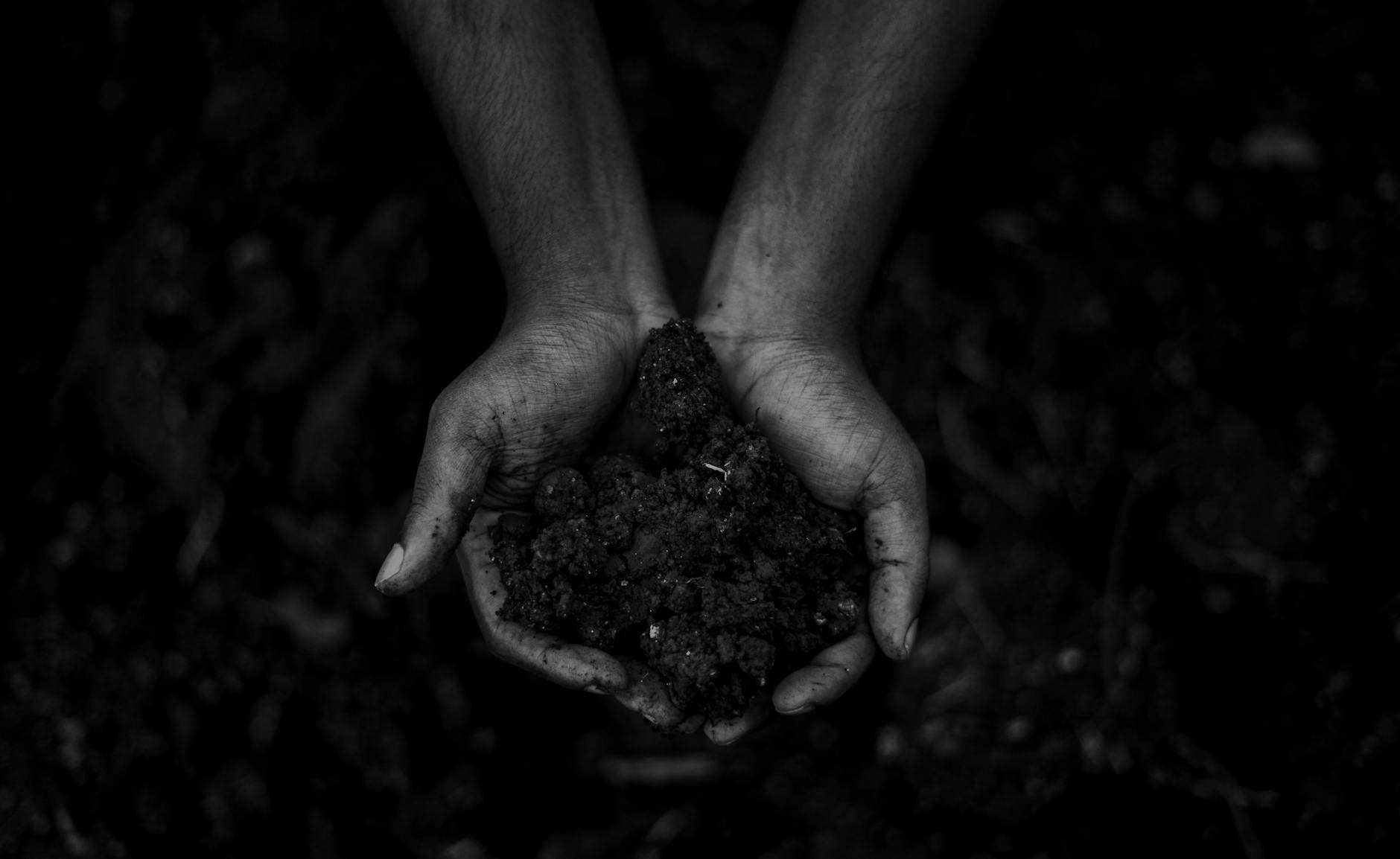
But now I have the feeling that putting down roots is something different than I thought it would be. It’s not enough to have landed here. I look out the window at the flower bed I planted, the one with the zinnias and cosmos, the sage and the daisies and the boxwood, the spirea, lilac, and Russian sage. It all looks so newly planted, so unfilled out, nascent. I can easily imagine how it will look as everything grows, how the perennials will fill out year after year. But right now, every plant is standing soldier-straight in the same position it was in in its little pot from the nursery. I imagine the roots underground not even unfurled yet from the shape of the pot.
I wonder what life will look like at this time next year, when I’ve been here a little longer. If my life will have filled out a little more like the perennials out front. I’ll have stretched and grown twelve months longer. Right now, my dreams are about writing more, seeking out the literary journals and small presses that might be homes for my work. Expanding my proficiency with clay, creating (hopefully) beautiful, functional pottery and finding ways to share it out in the world. I dream about centering this creative work in my life, finding a way for it to live more harmoniously with my 9 to 5 work life.
Sometimes I wonder if my dreams themselves are naïve and simultaneously question whether they’re big enough. But does the rabbit at breakfast dream of anything except the pink cosmos flower? Does the oak catkin dream about anything other than the acorn it will be? Maybe being what I am, who I am, the person unfurling her roots and growing creatively, is all I need to be dreaming about right now. And maybe now that I’m in the right place to do it, it will make sense, it will just be the way it’s supposed to be, all in its own time, without me chasing it or worrying about it or deciding things about it. It will just be. I will be able to just be.
Here’s to being and the kind of growth that happens tenderly and gently, in the warmth of the late spring sun, all in its own time.
Love, Cath